Myths RSS
-
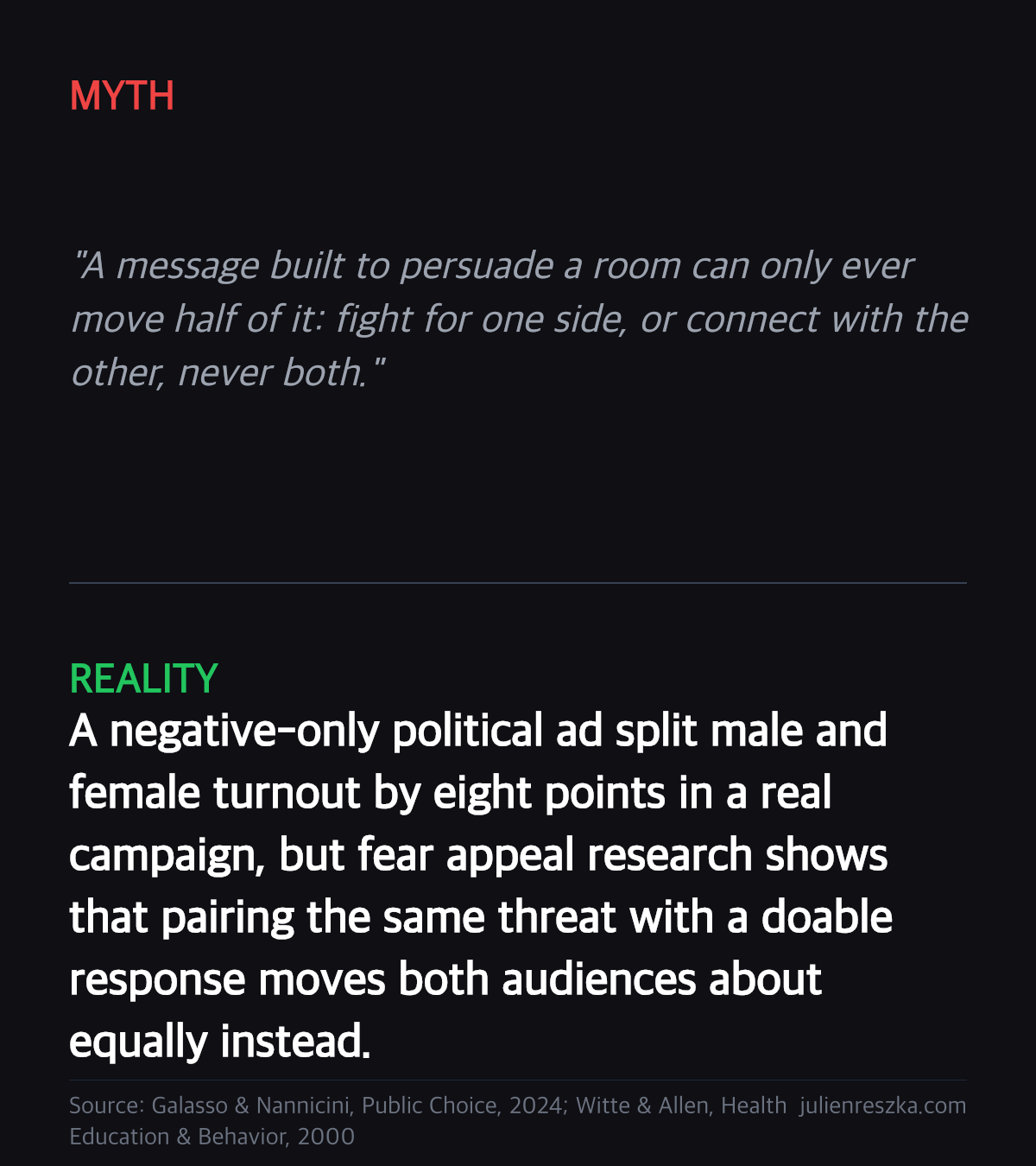
Myth: A message built to persuade a room can only ever move half of it: fight for one side, or connect with the other, never both.
-
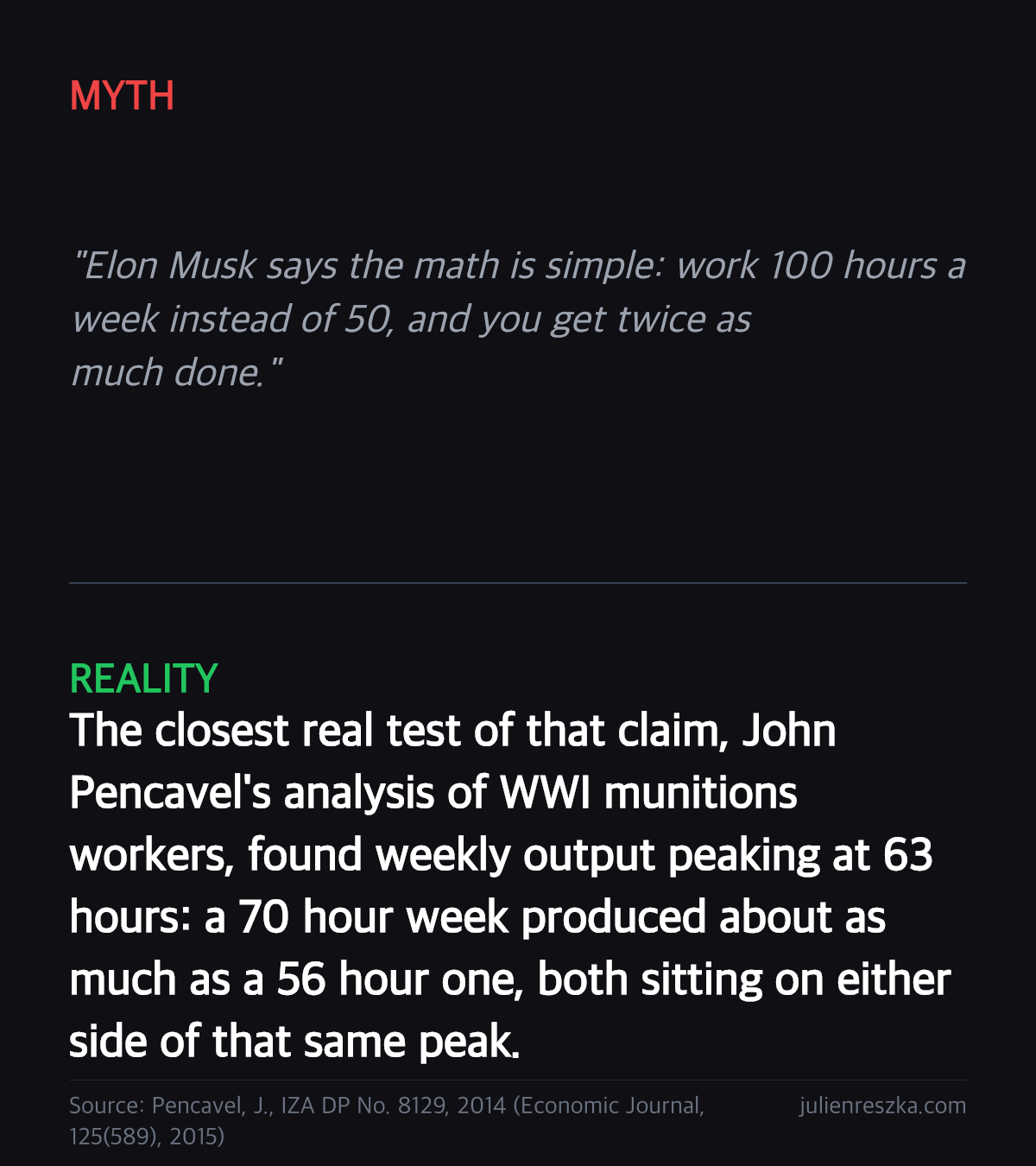
Myth: Elon Musk says the math is simple: work 100 hours a week instead of 50, and you get twice as much done.
-
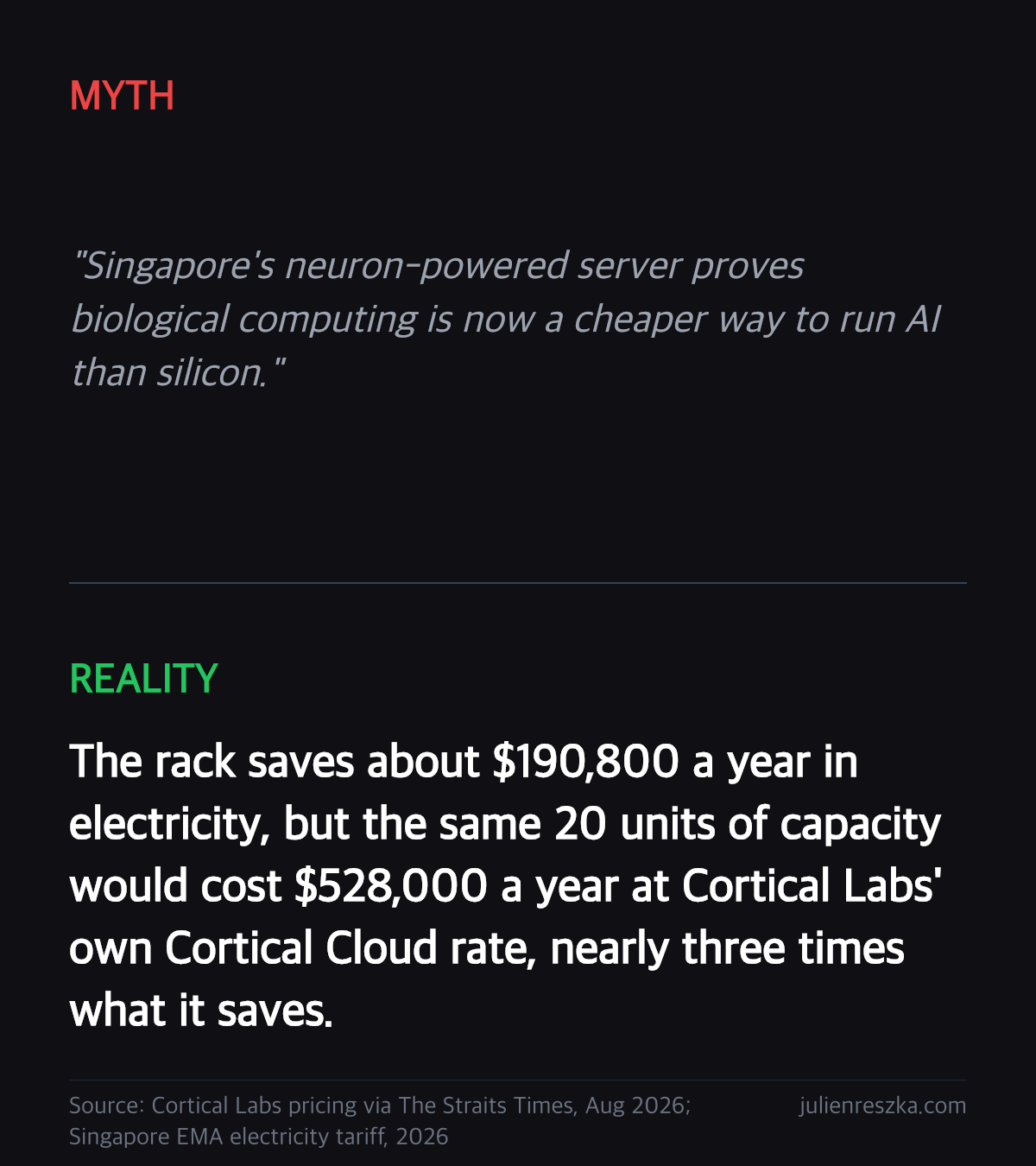
Myth: Singapore's neuron-powered server proves biological computing is now a cheaper way to run AI than silicon.
-
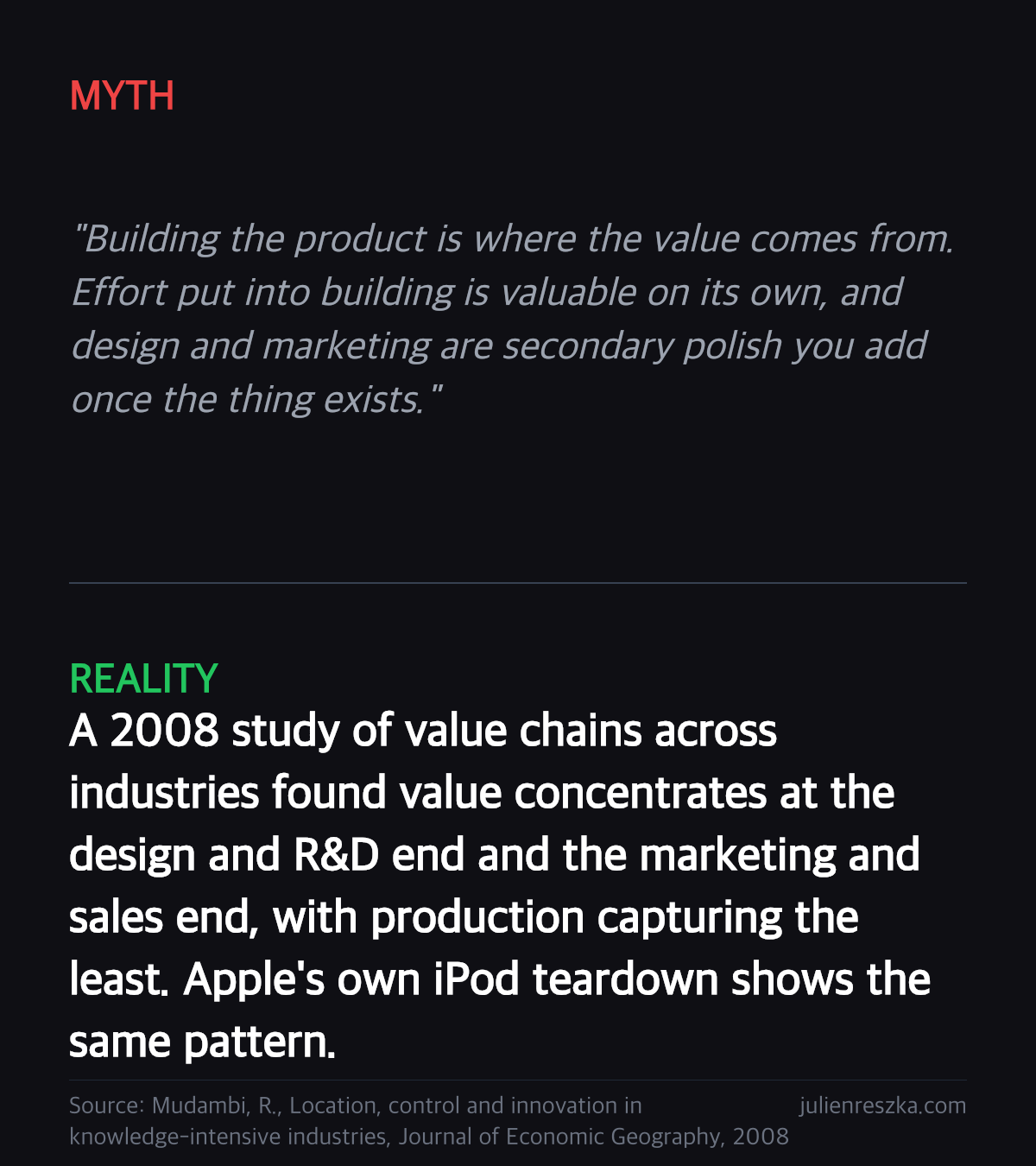
Myth: Building the product is where the value comes from. Effort put into building is valuable on its own, and design and marketing are secondary polish you add once the thing exists.
-
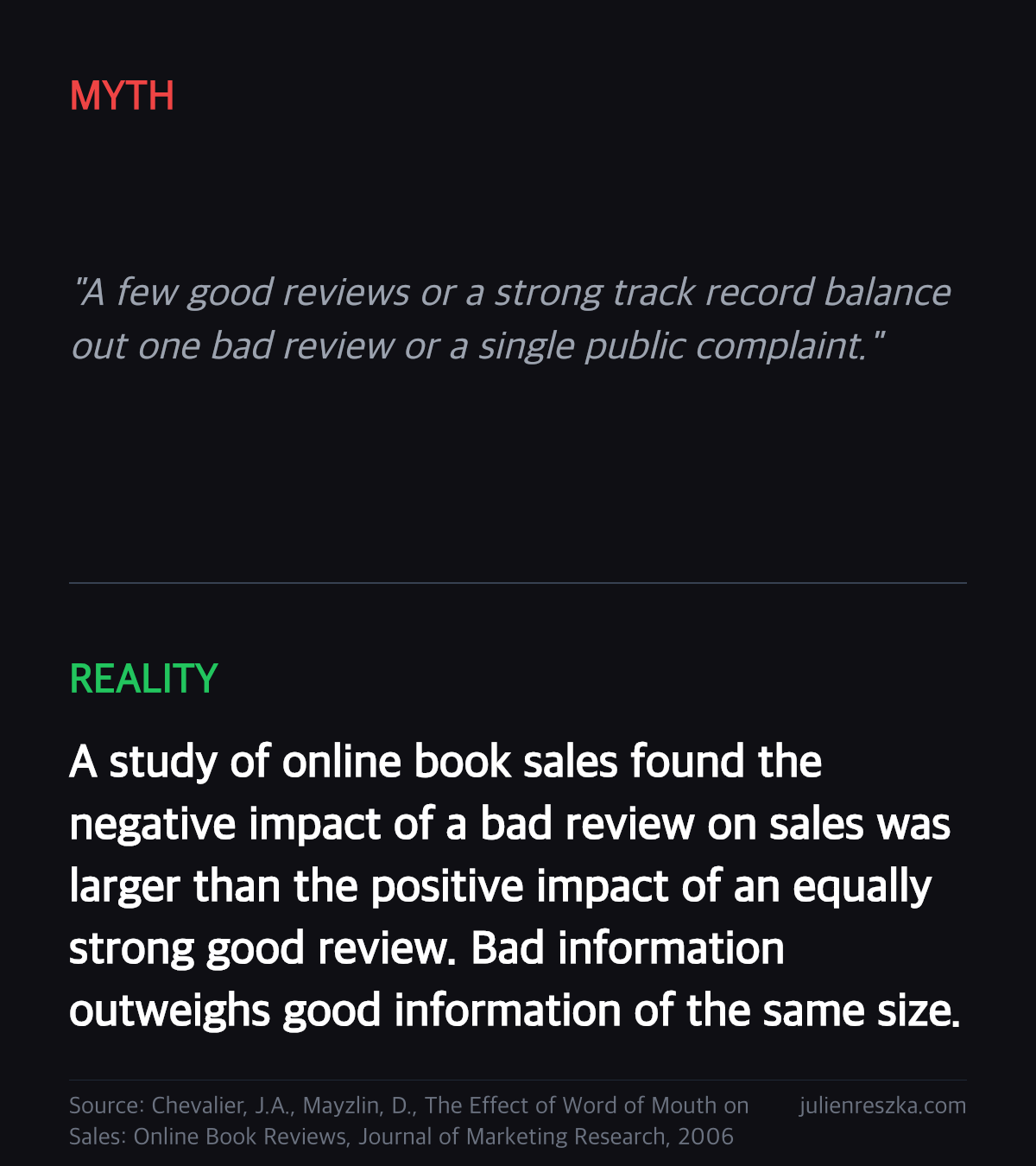
Myth: A few good reviews or a strong track record balance out one bad review or a single public complaint.
-
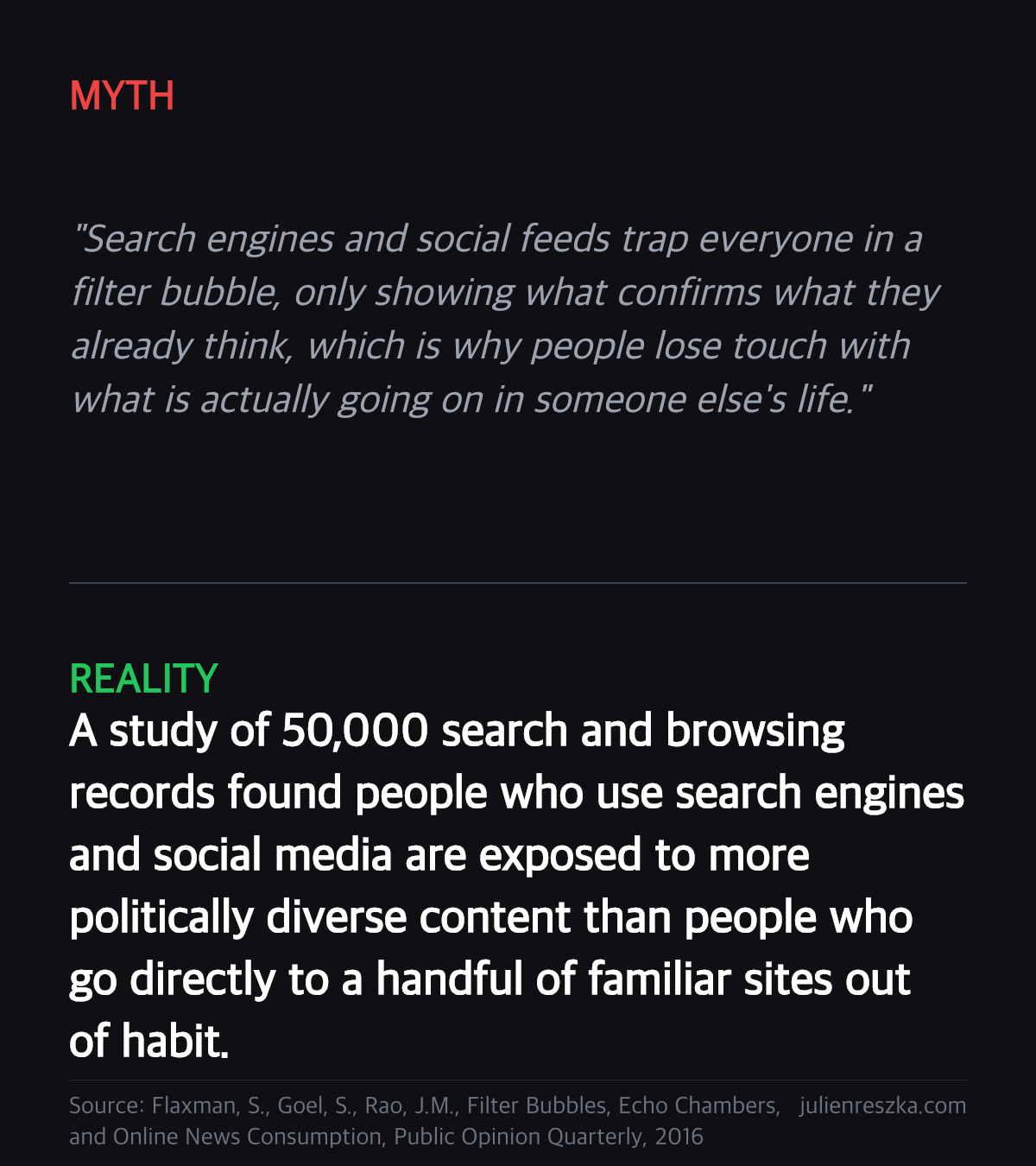
Myth: Search engines and social feeds trap everyone in a filter bubble, only showing what confirms what they already think, which is why people lose touch with what is actually going on in someone else's life.
-
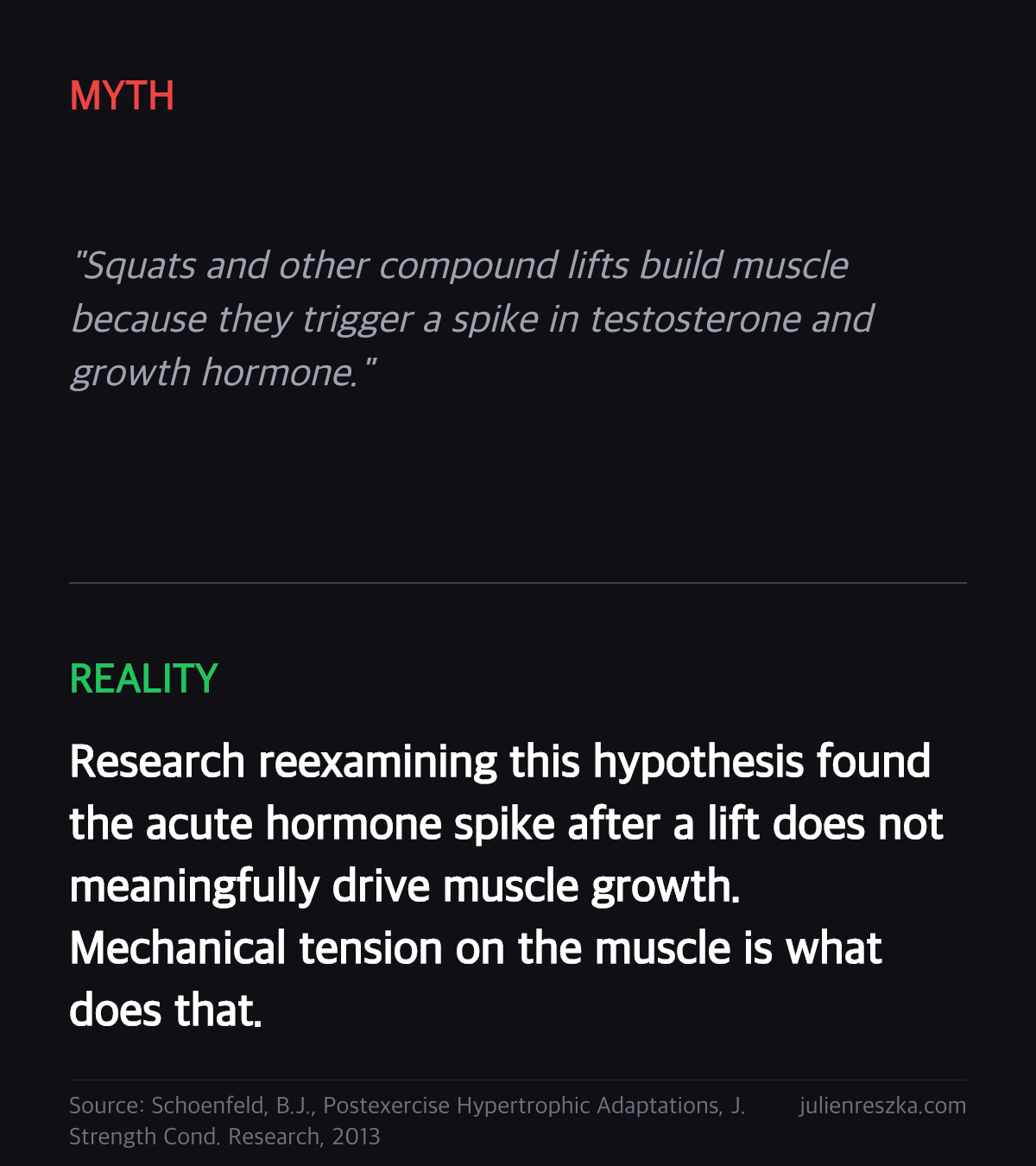
Myth: Squats and other compound lifts build muscle because they trigger a spike in testosterone and growth hormone.
-
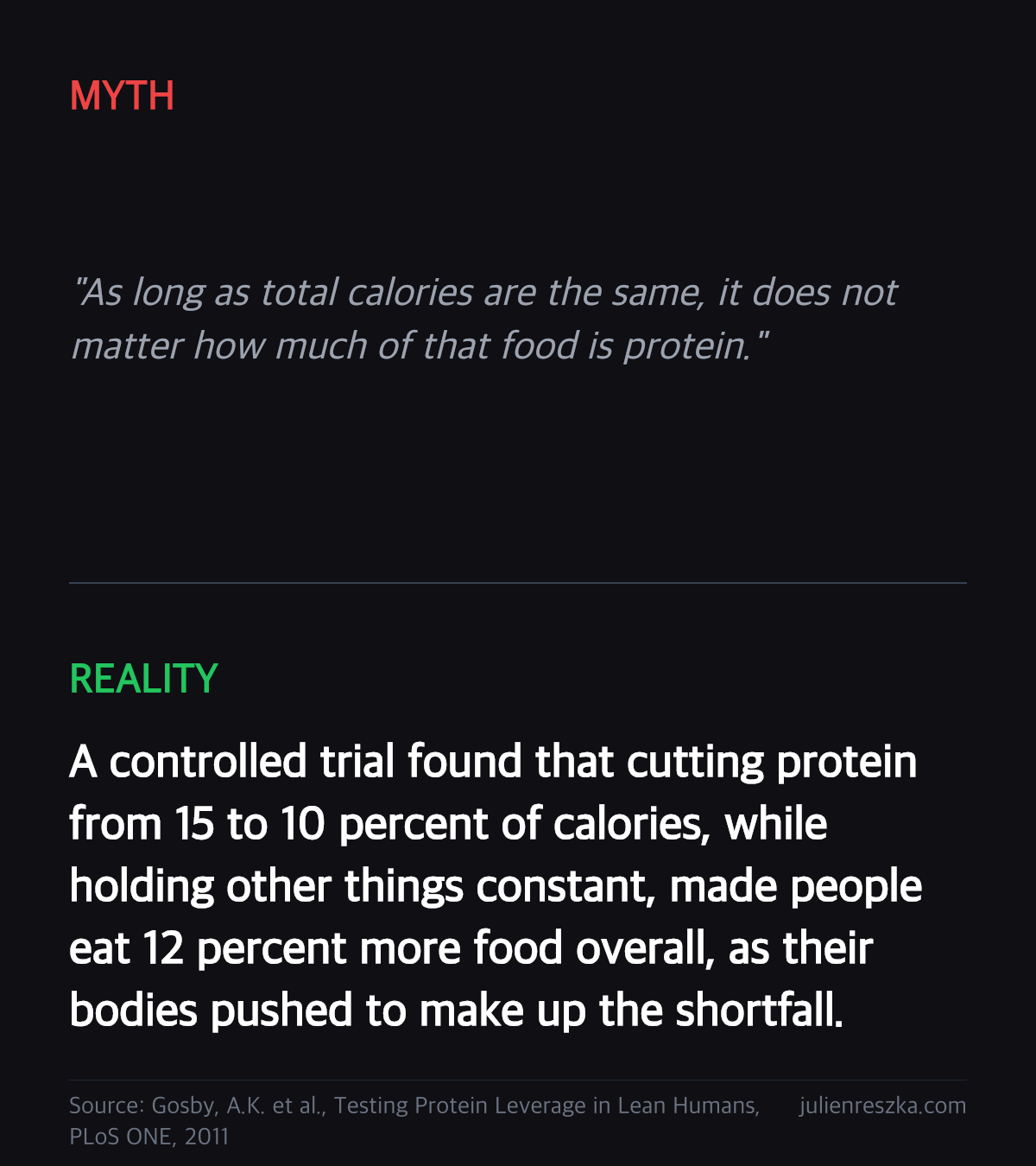
Myth: As long as total calories are the same, it does not matter how much of that food is protein.
-
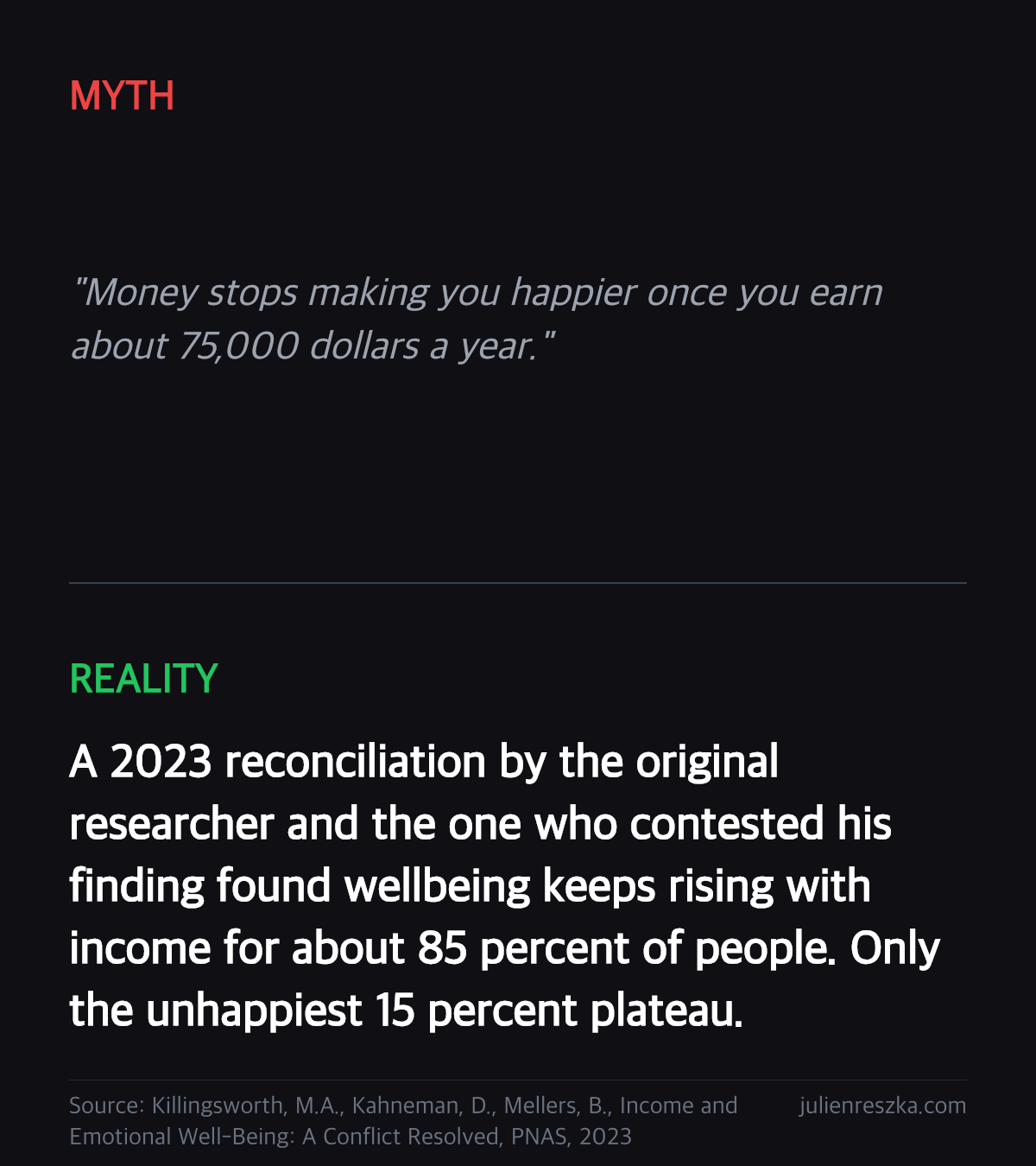
Myth: Money stops making you happier once you earn about 75,000 dollars a year.
-
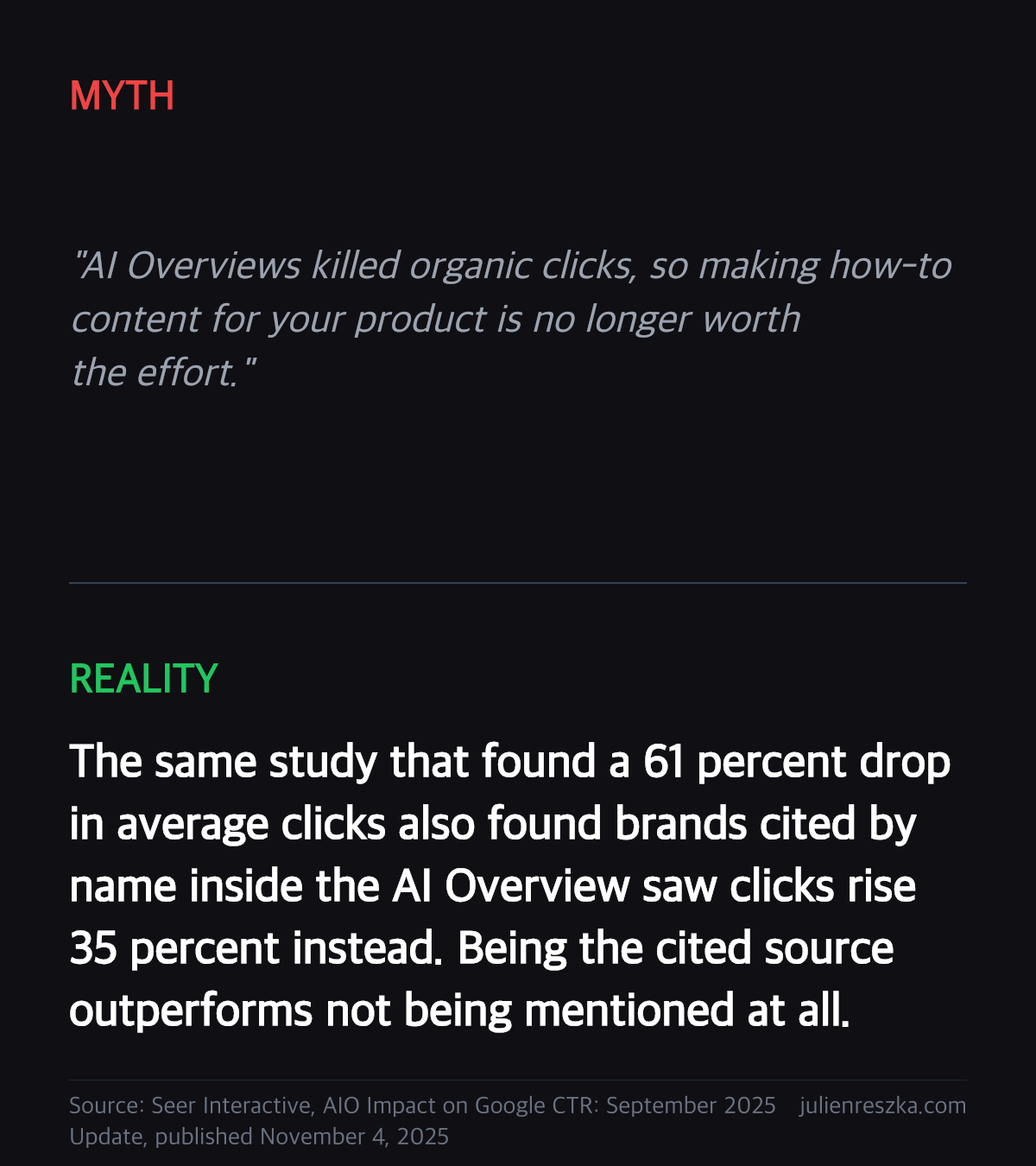
Myth: AI Overviews killed organic clicks, so making how-to content for your product is no longer worth the effort.
-
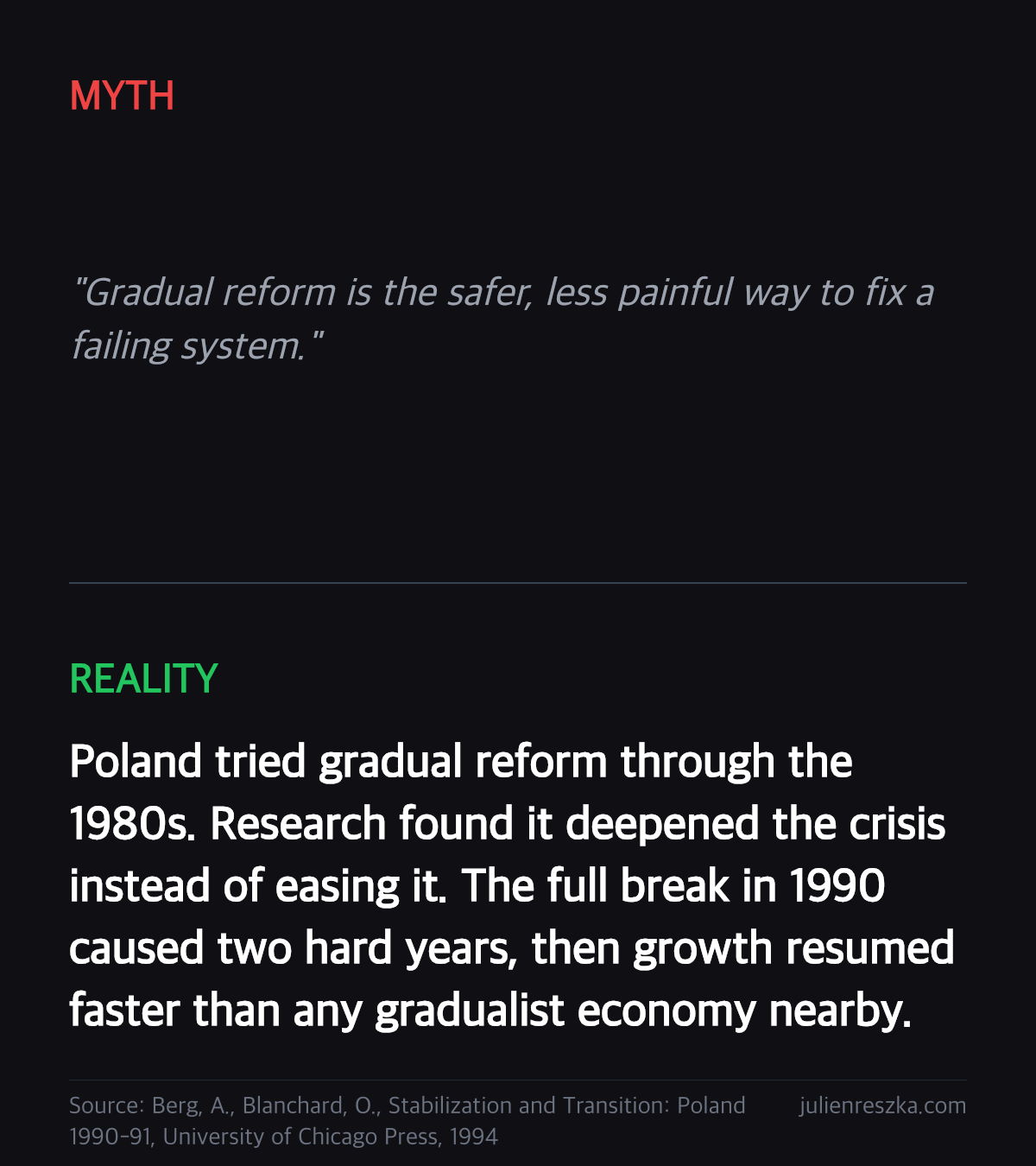
Myth: Gradual reform is the safer, less painful way to fix a failing system.
-
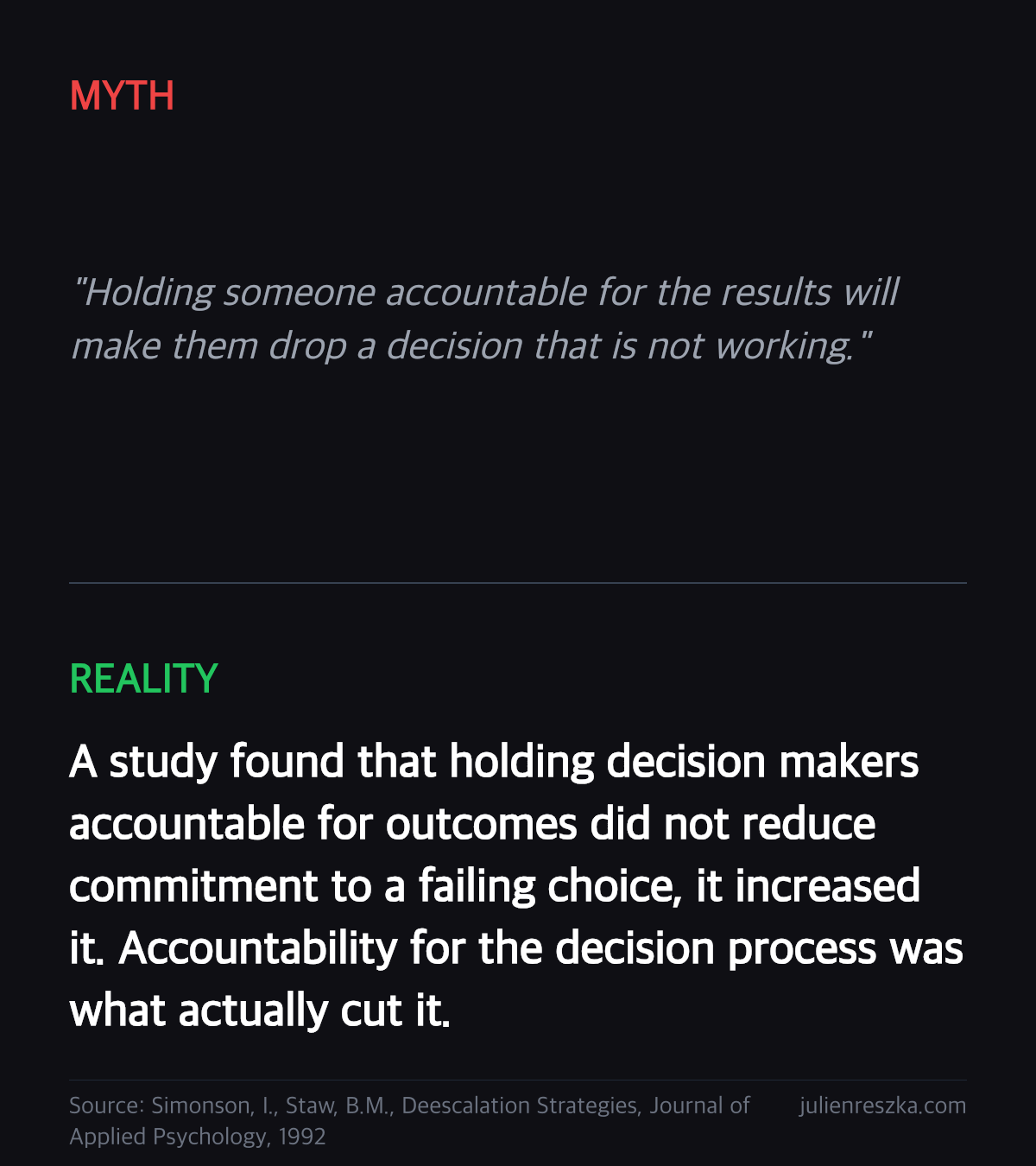
Myth: Holding someone accountable for the results will make them drop a decision that is not working.
-
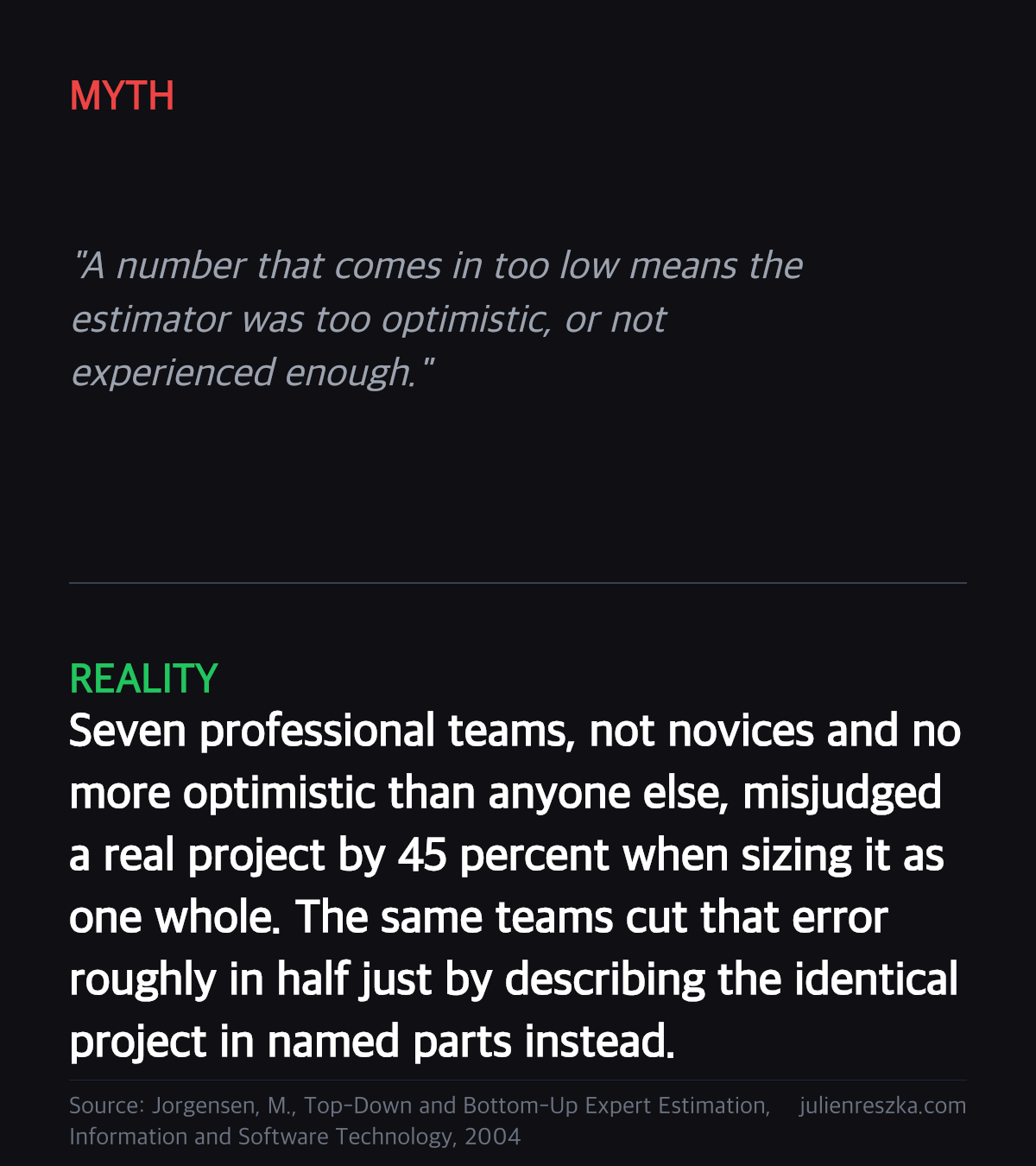
Myth: A number that comes in too low means the estimator was too optimistic, or not experienced enough.
-
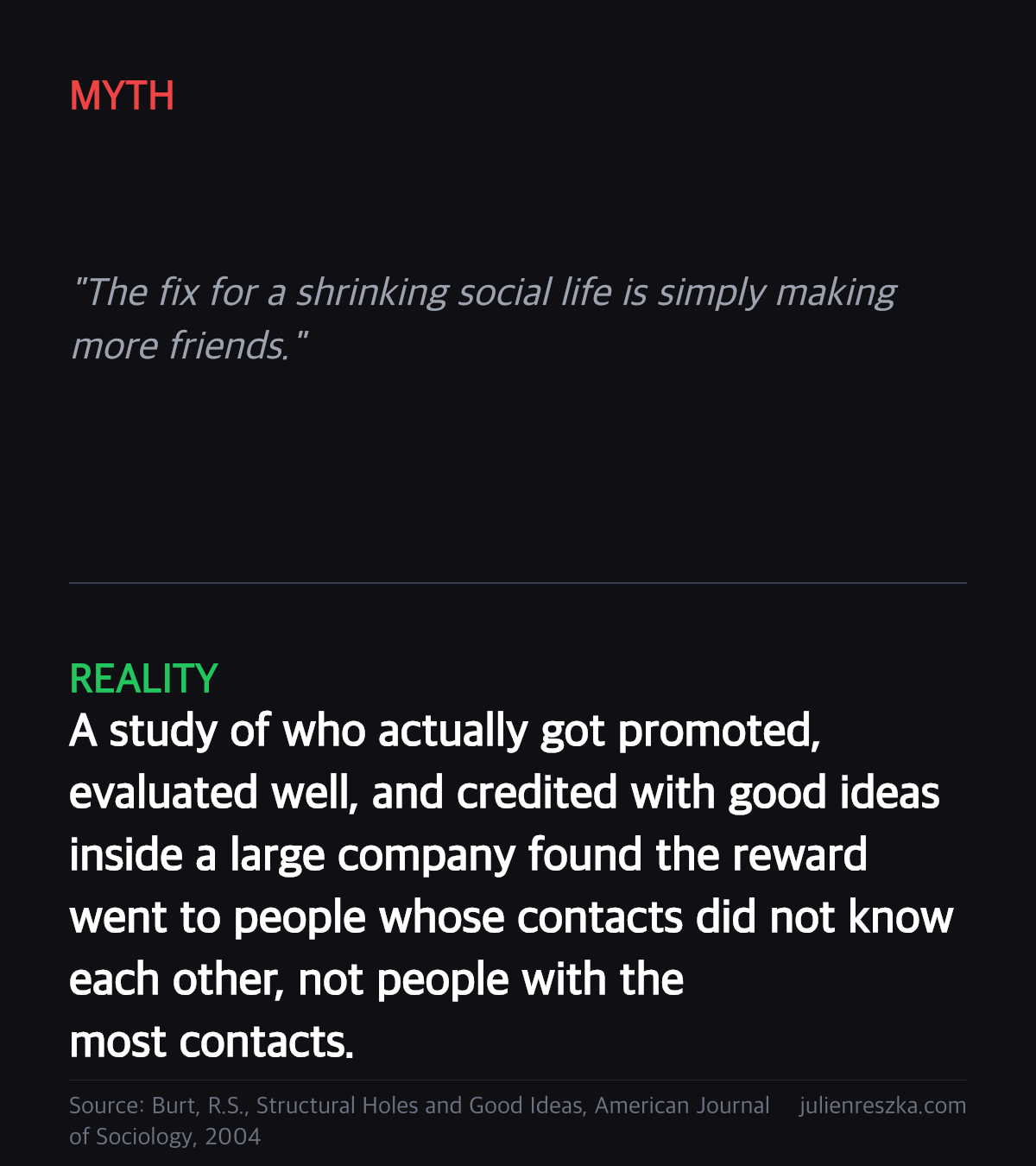
Myth: The fix for a shrinking social life is simply making more friends.
-
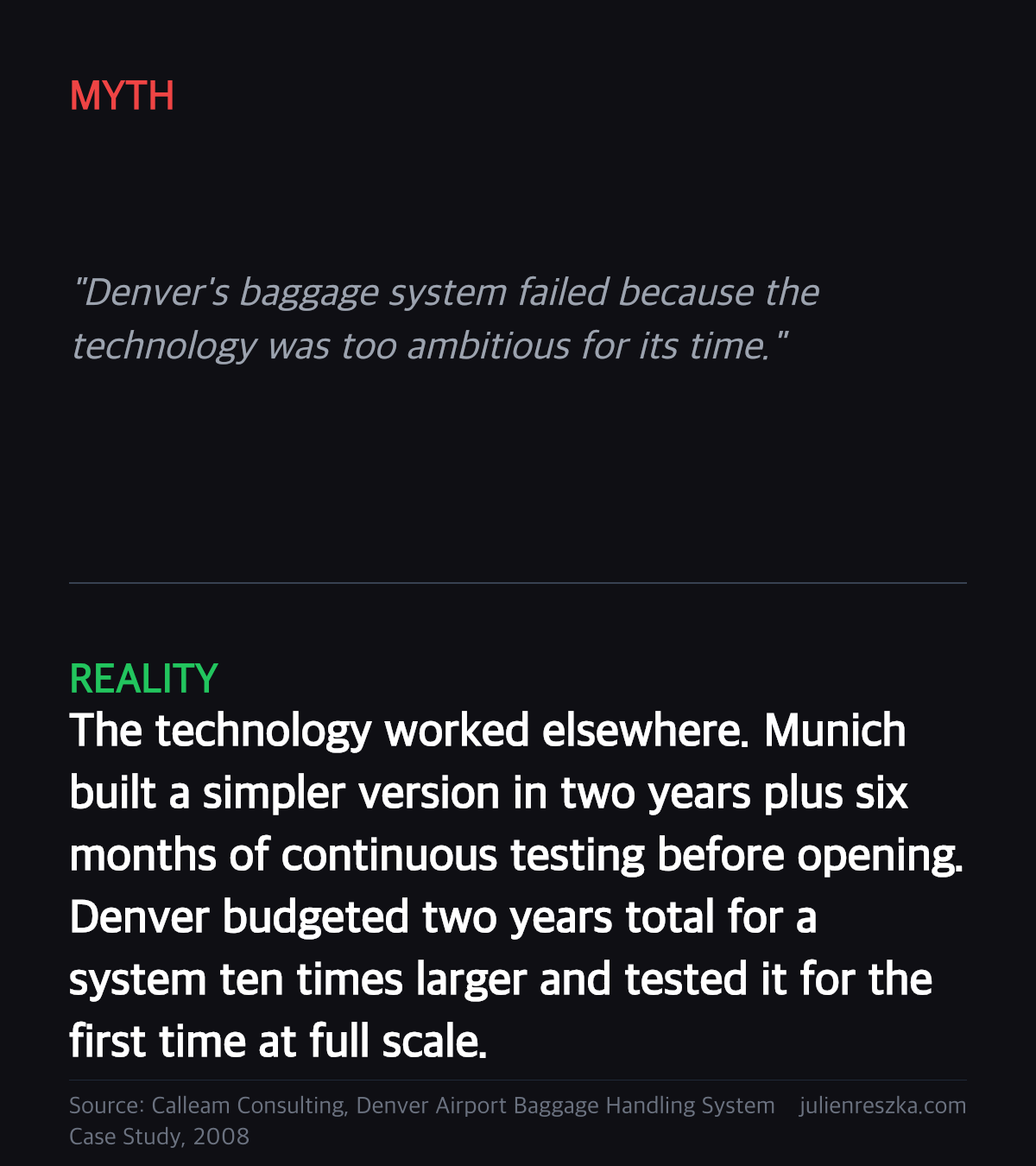
Myth: Denver's baggage system failed because the technology was too ambitious for its time.
-
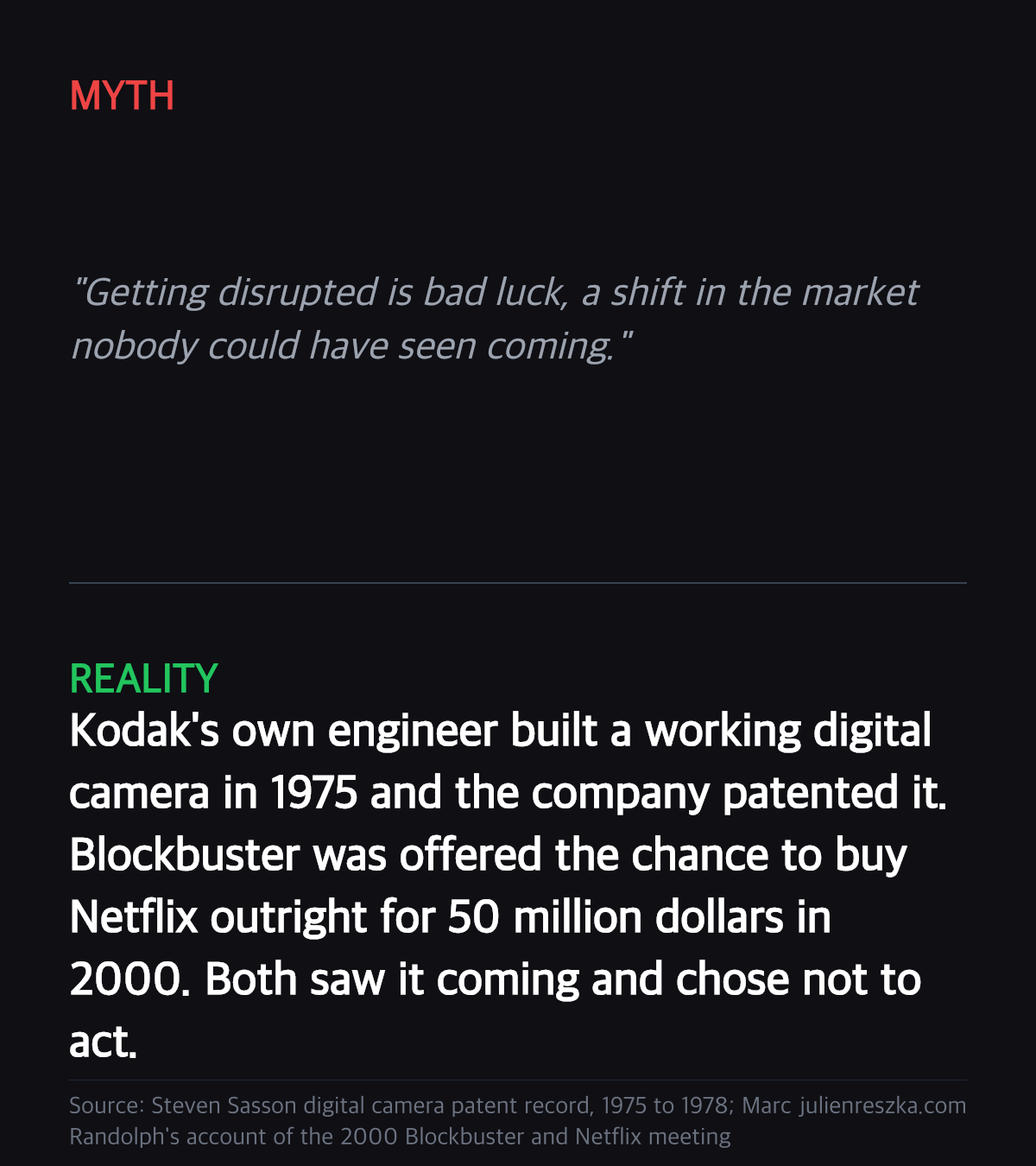
Myth: Getting disrupted is bad luck, a shift in the market nobody could have seen coming.
-
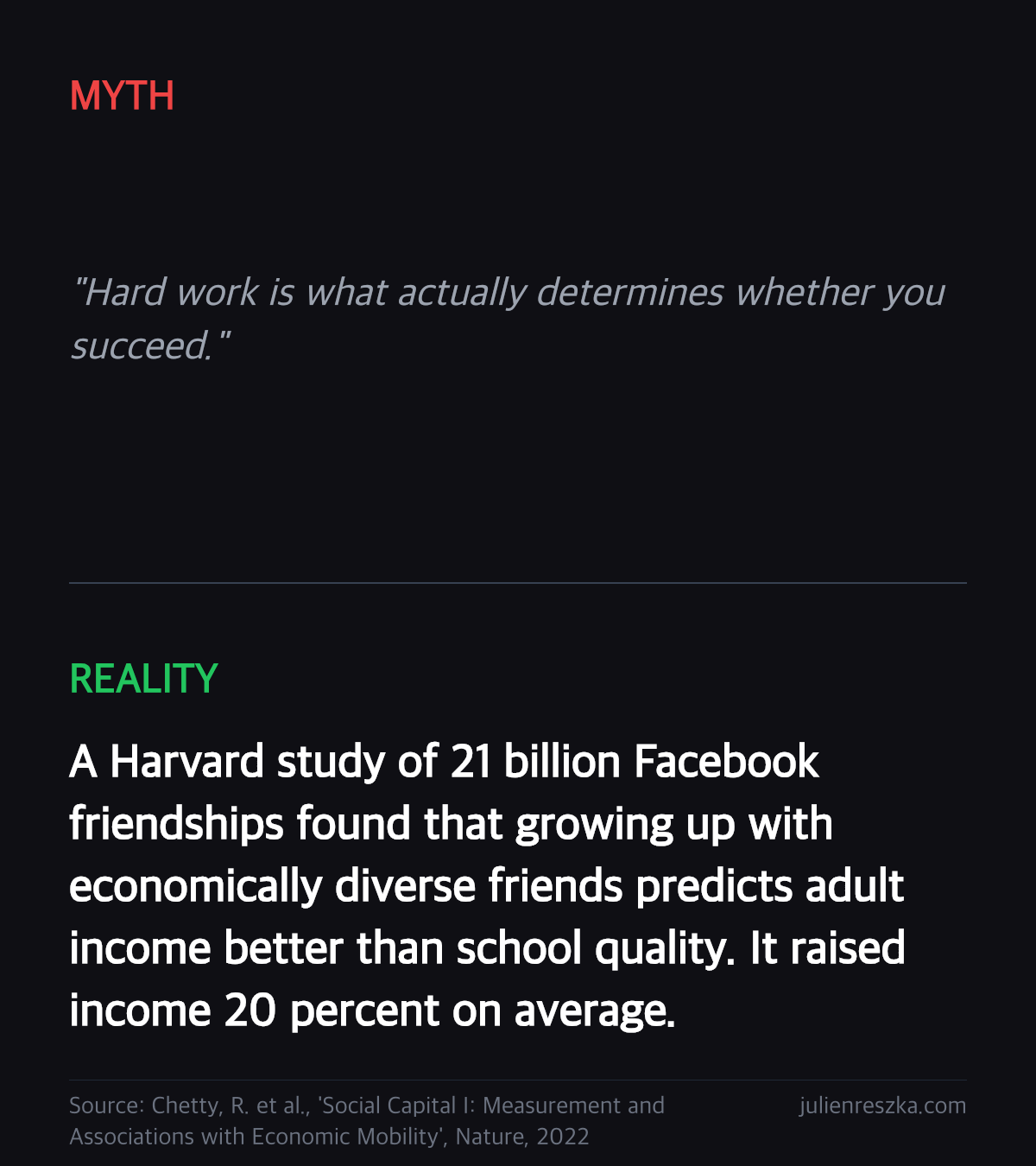
Myth: Hard work is what actually determines whether you succeed.
-
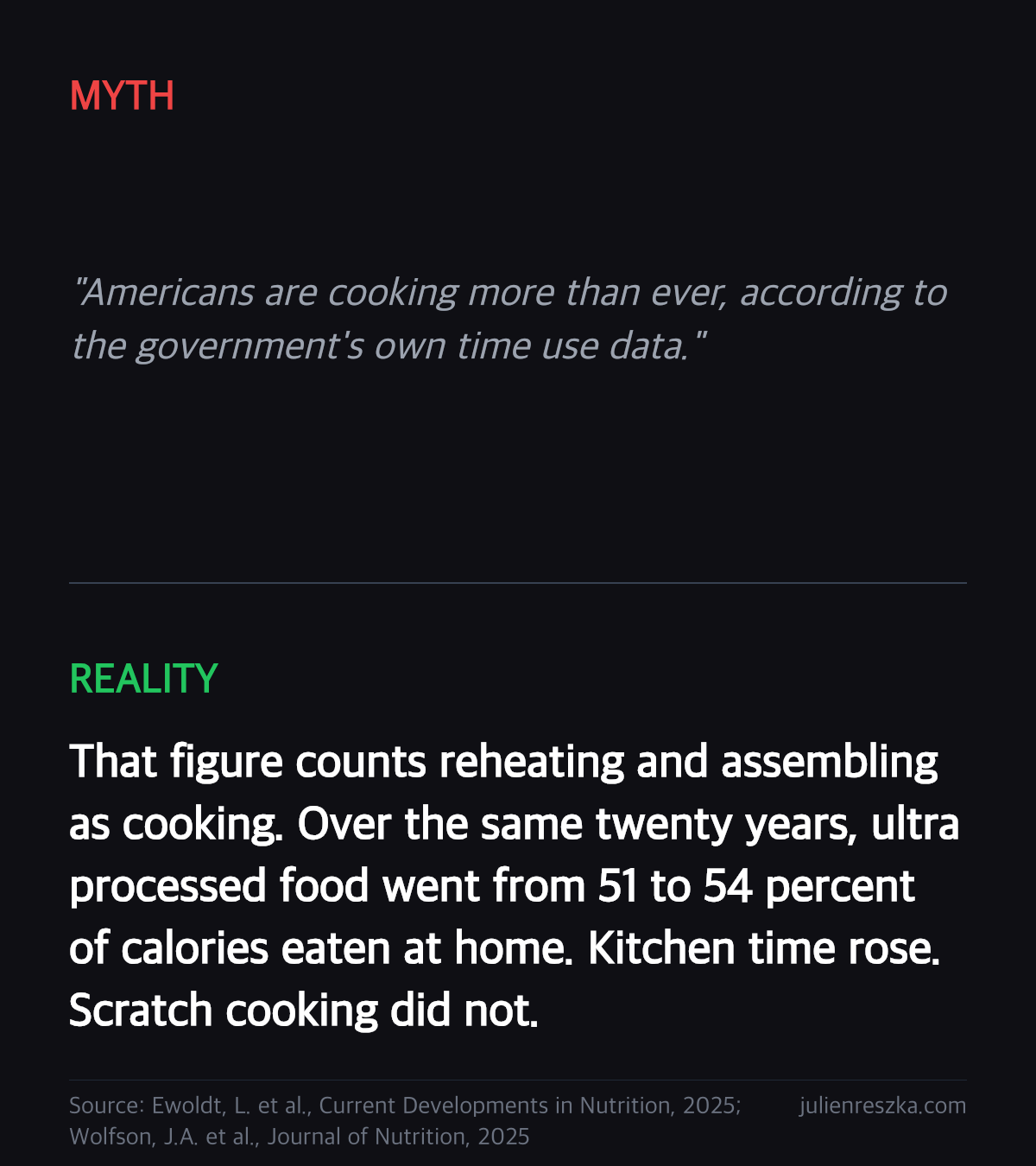
Myth: Americans are cooking more than ever, according to the government's own time use data.
-
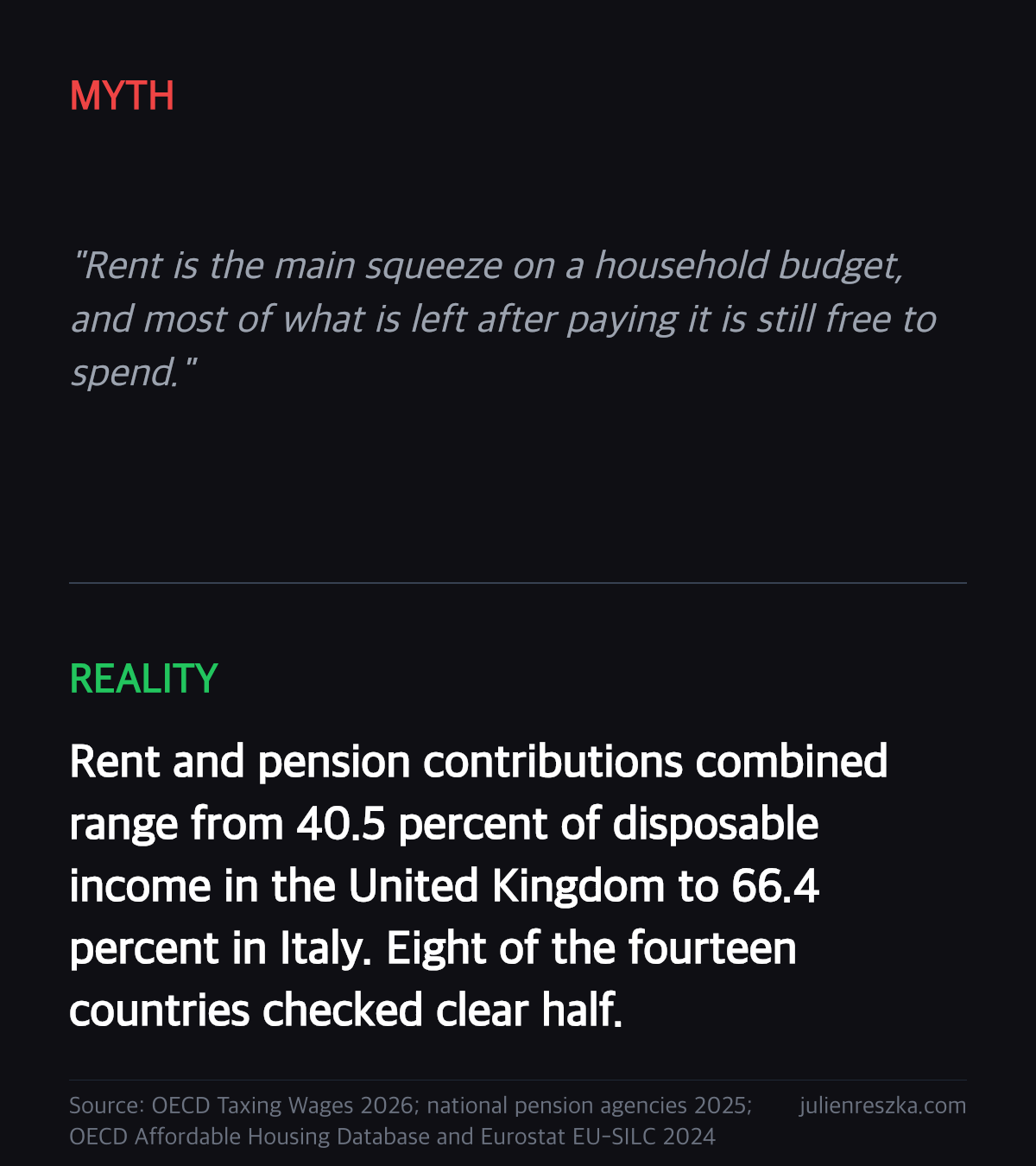
Myth: Rent is the main squeeze on a household budget, and most of what is left after paying it is still free to spend.
-
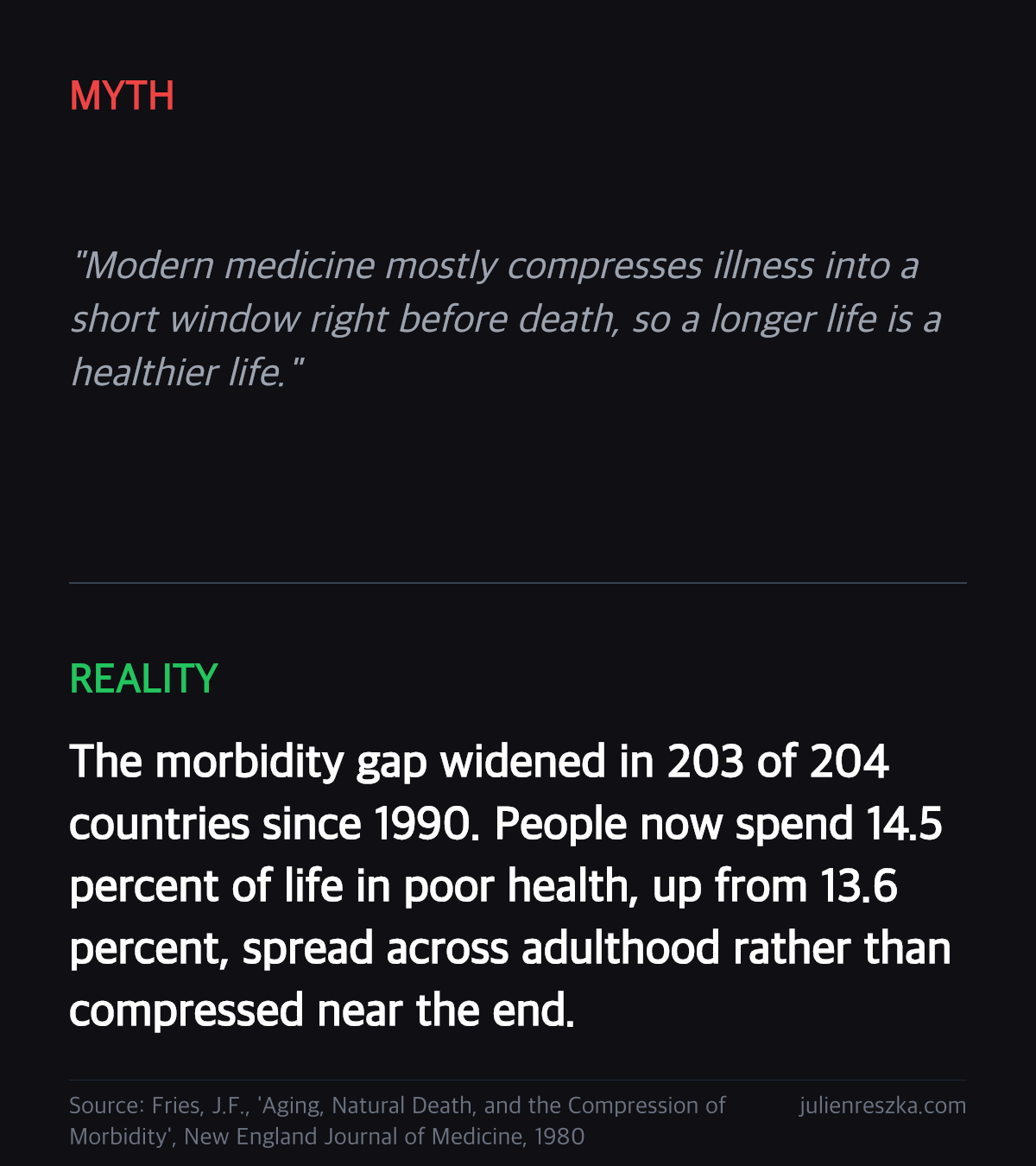
Myth: Modern medicine mostly compresses illness into a short window right before death, so a longer life is a healthier life.
-
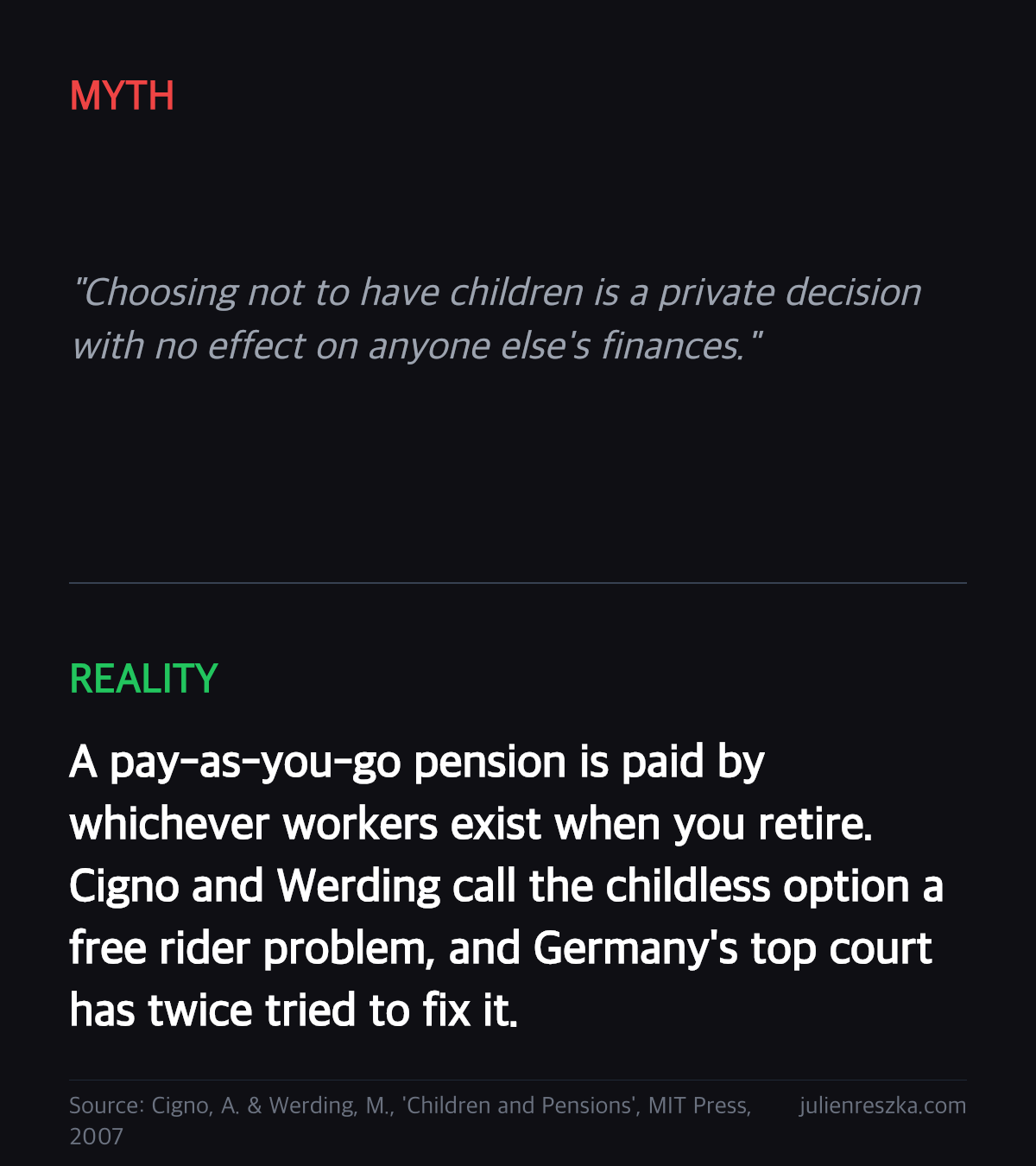
Myth: Choosing not to have children is a private decision with no effect on anyone else's finances.
-
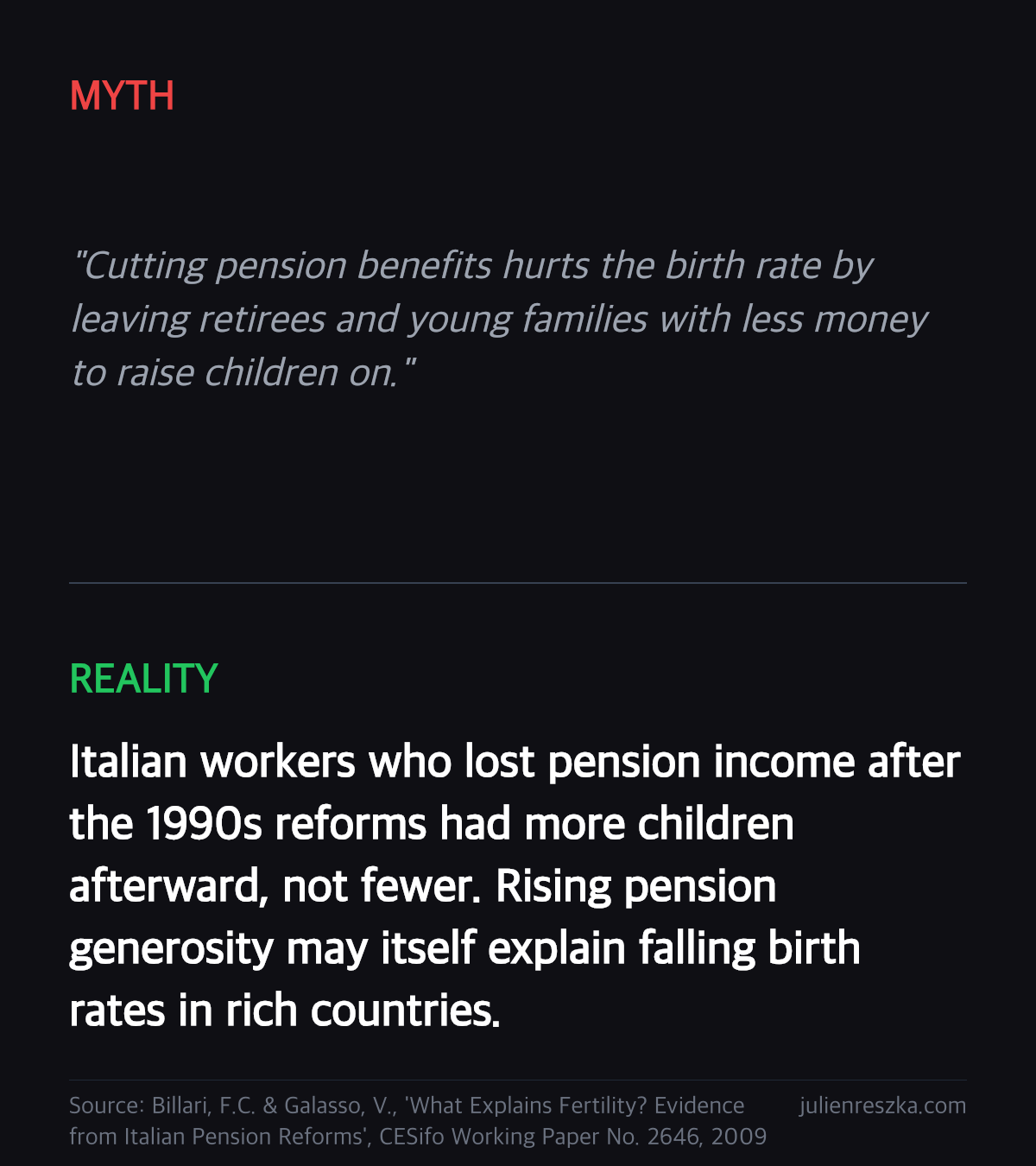
Myth: Cutting pension benefits hurts the birth rate by leaving retirees and young families with less money to raise children on.
-
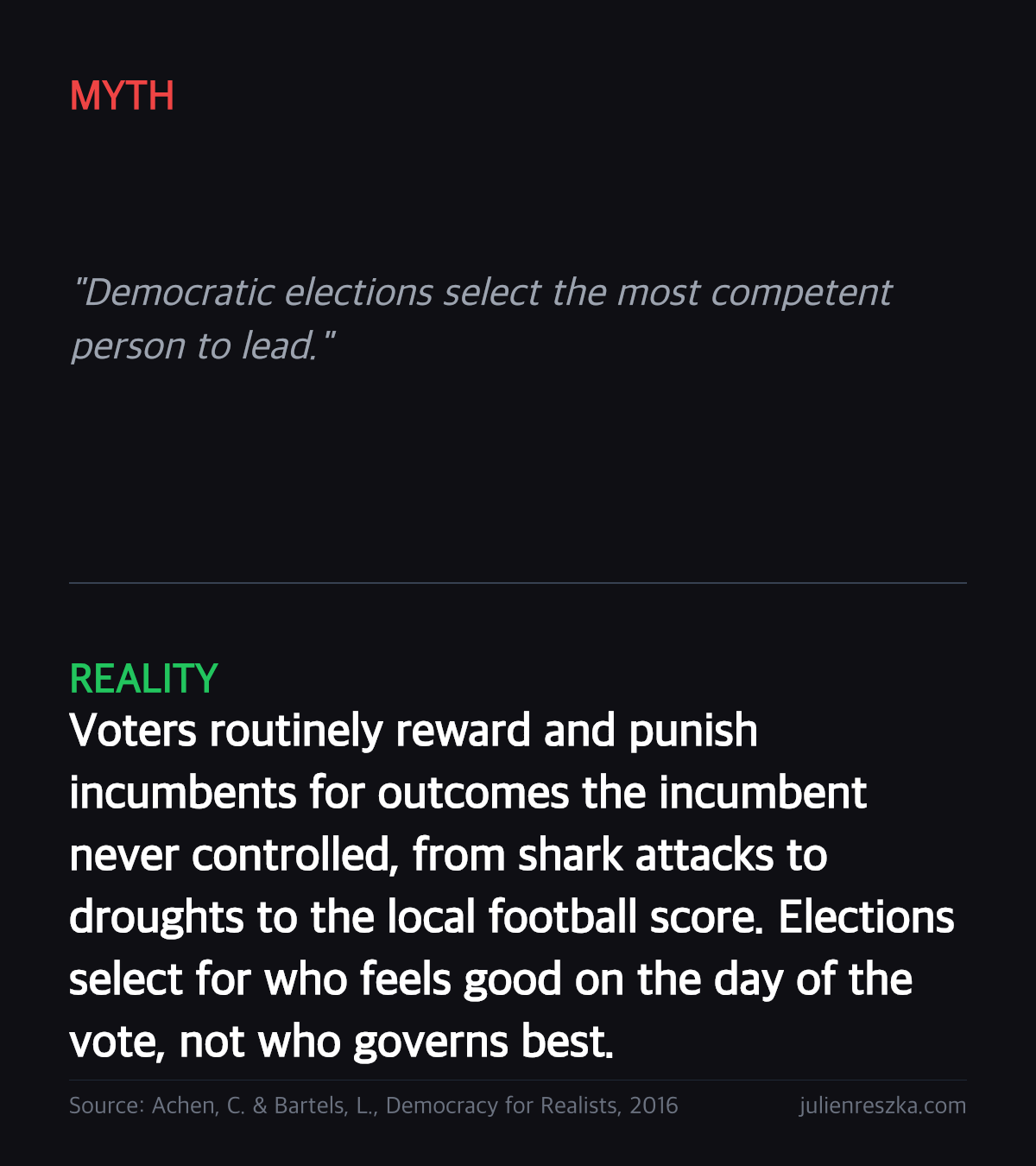
Myth: Democratic elections select the most competent person to lead.
-
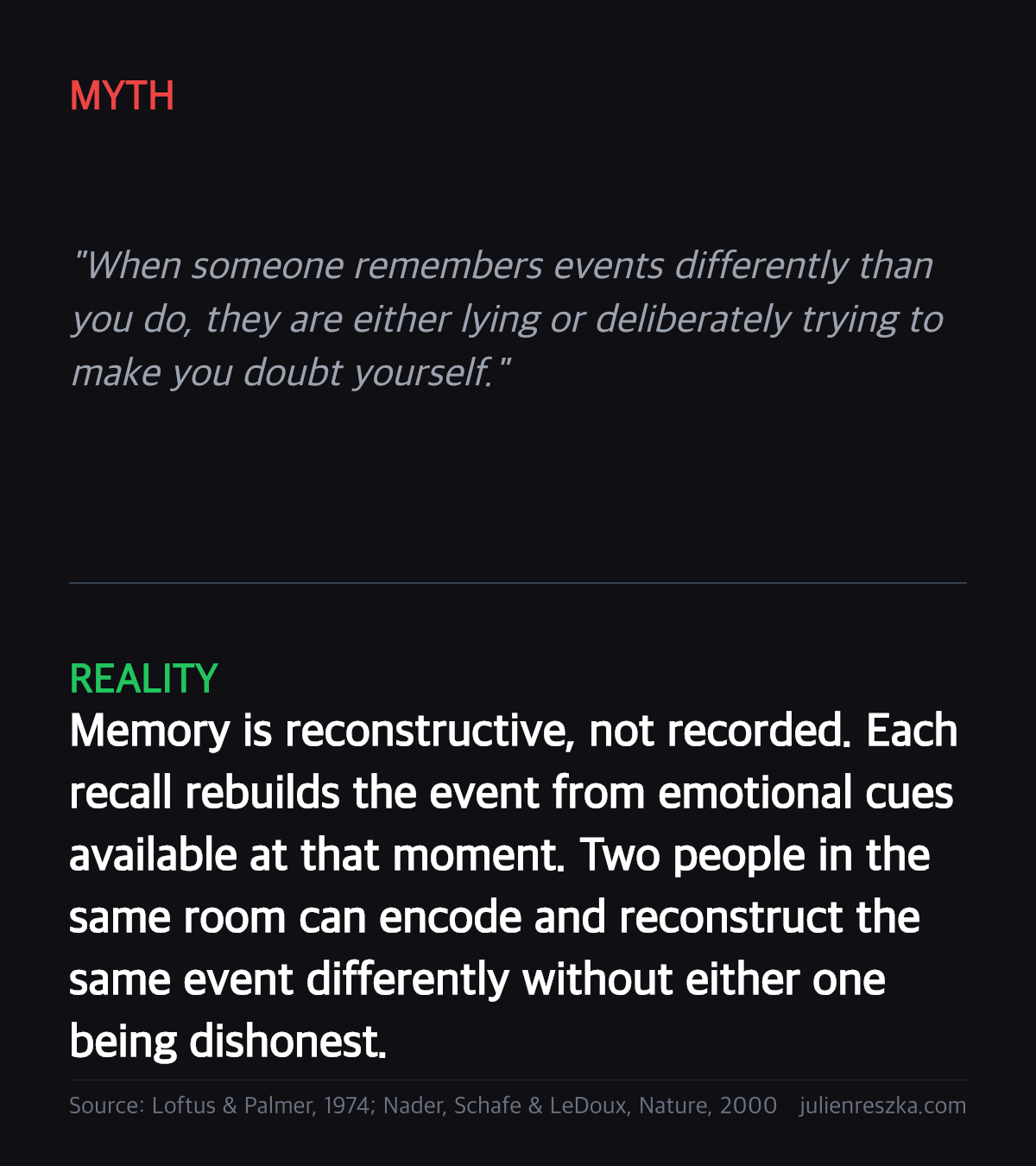
Myth: When someone remembers events differently than you do, they are either lying or deliberately trying to make you doubt yourself.
-
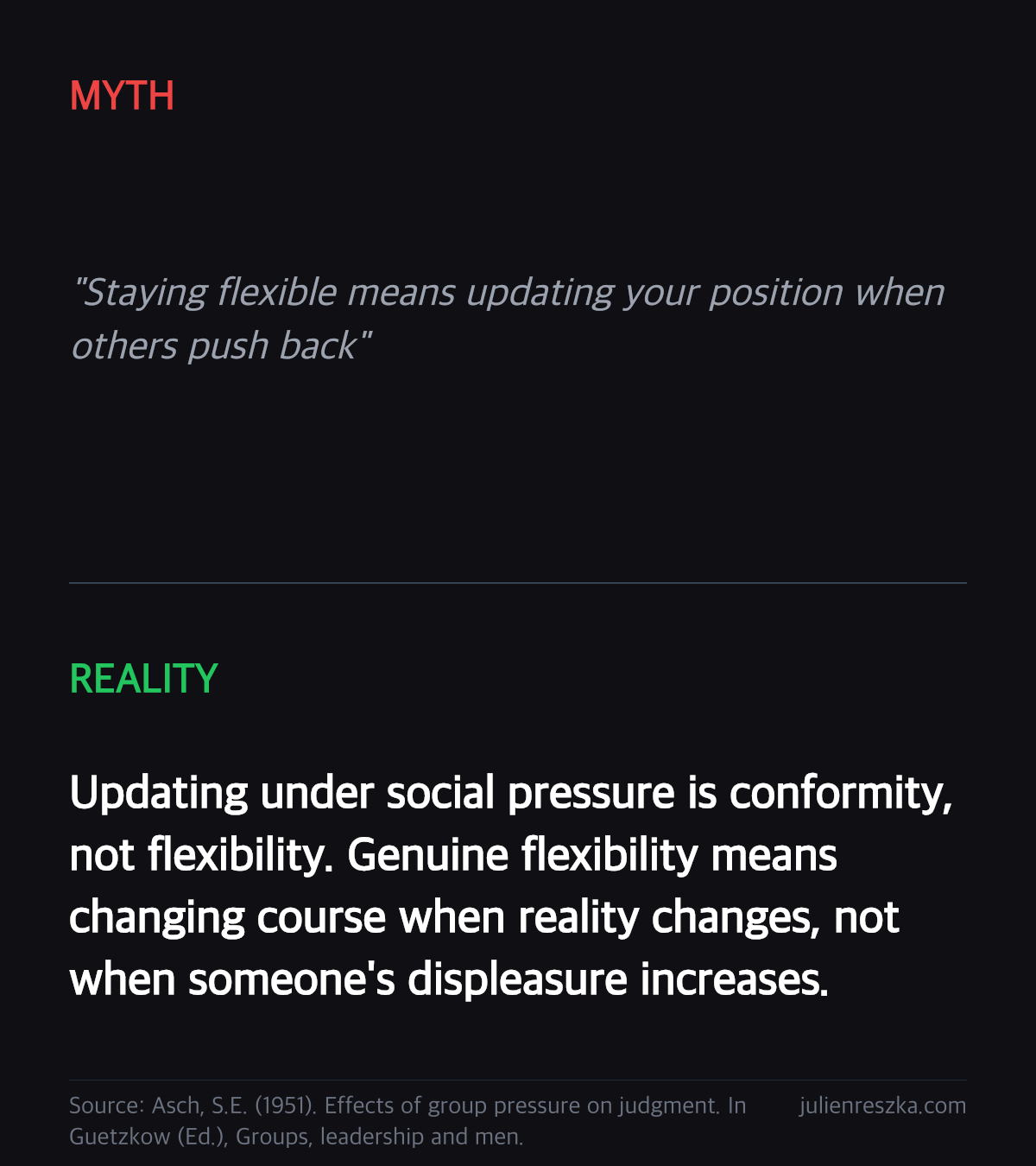
Myth: Staying flexible means updating your position when others push back
-
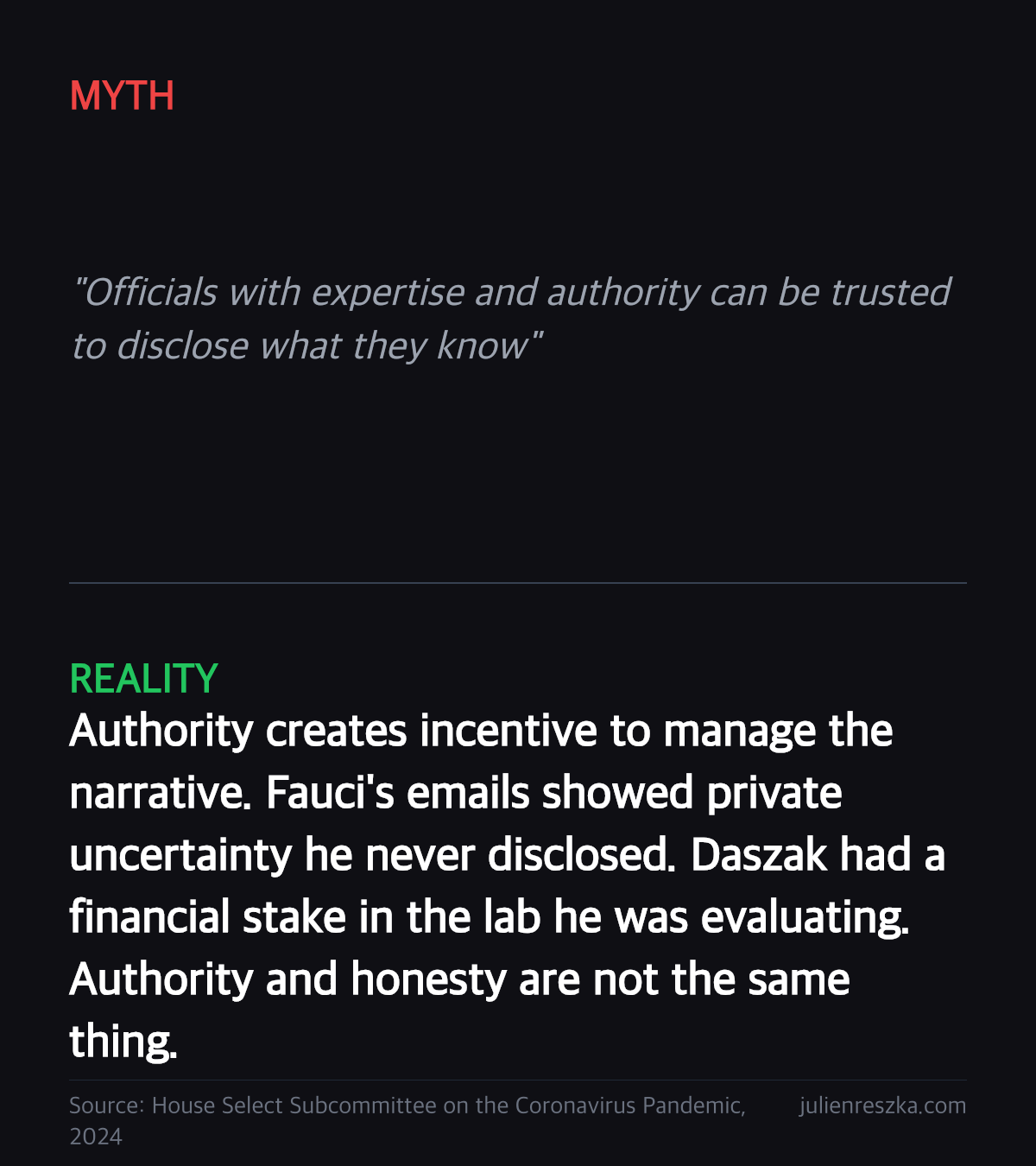
Myth: Officials with expertise and authority can be trusted to disclose what they know
-

Myth: Just paste the file into the prompt and tell the agent to fix it
-
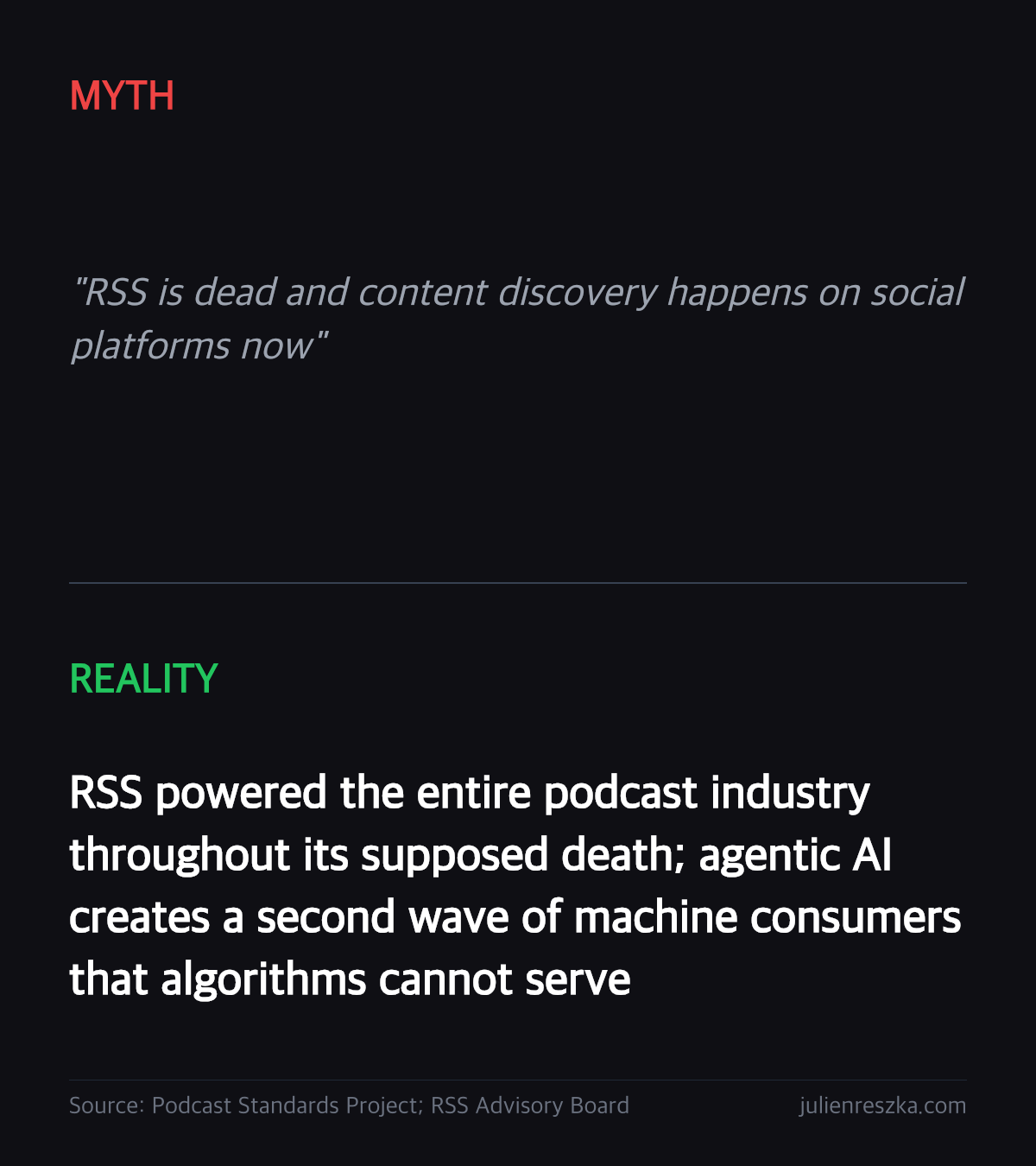
Myth: RSS is dead and content discovery happens on social platforms now
-
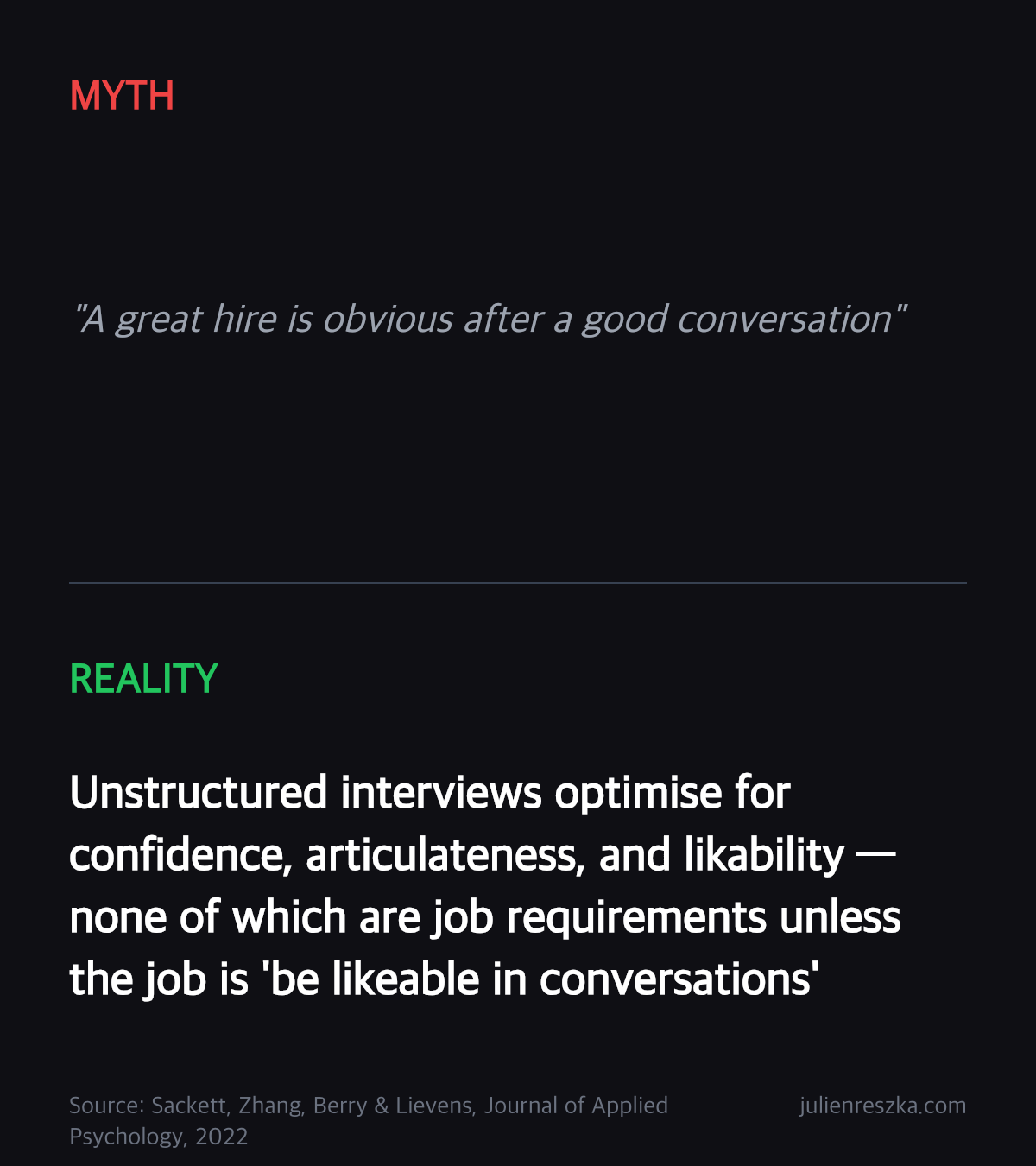
Myth: A great hire is obvious after a good conversation
-
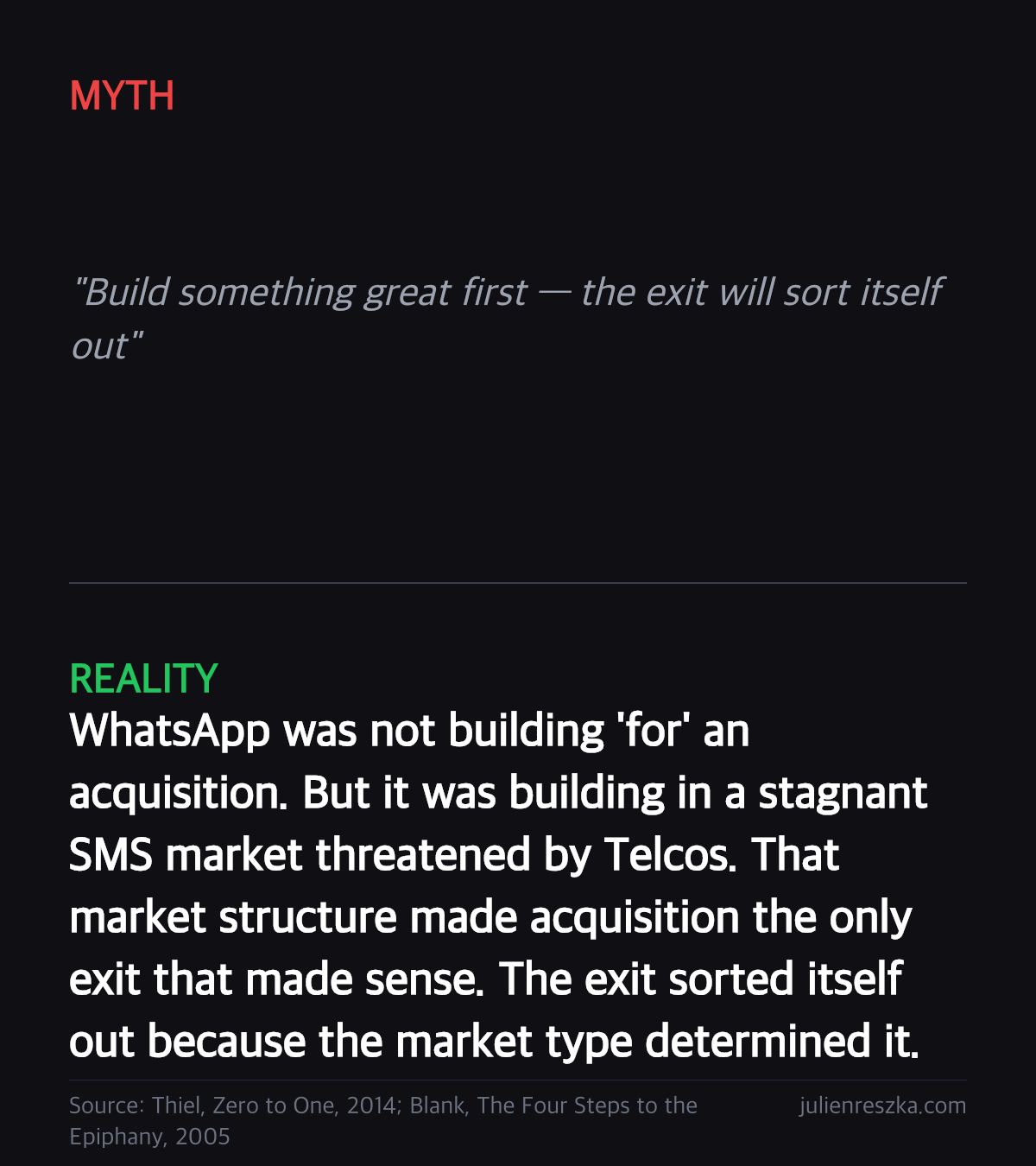
Myth: Build something great first and the exit will sort itself out
-
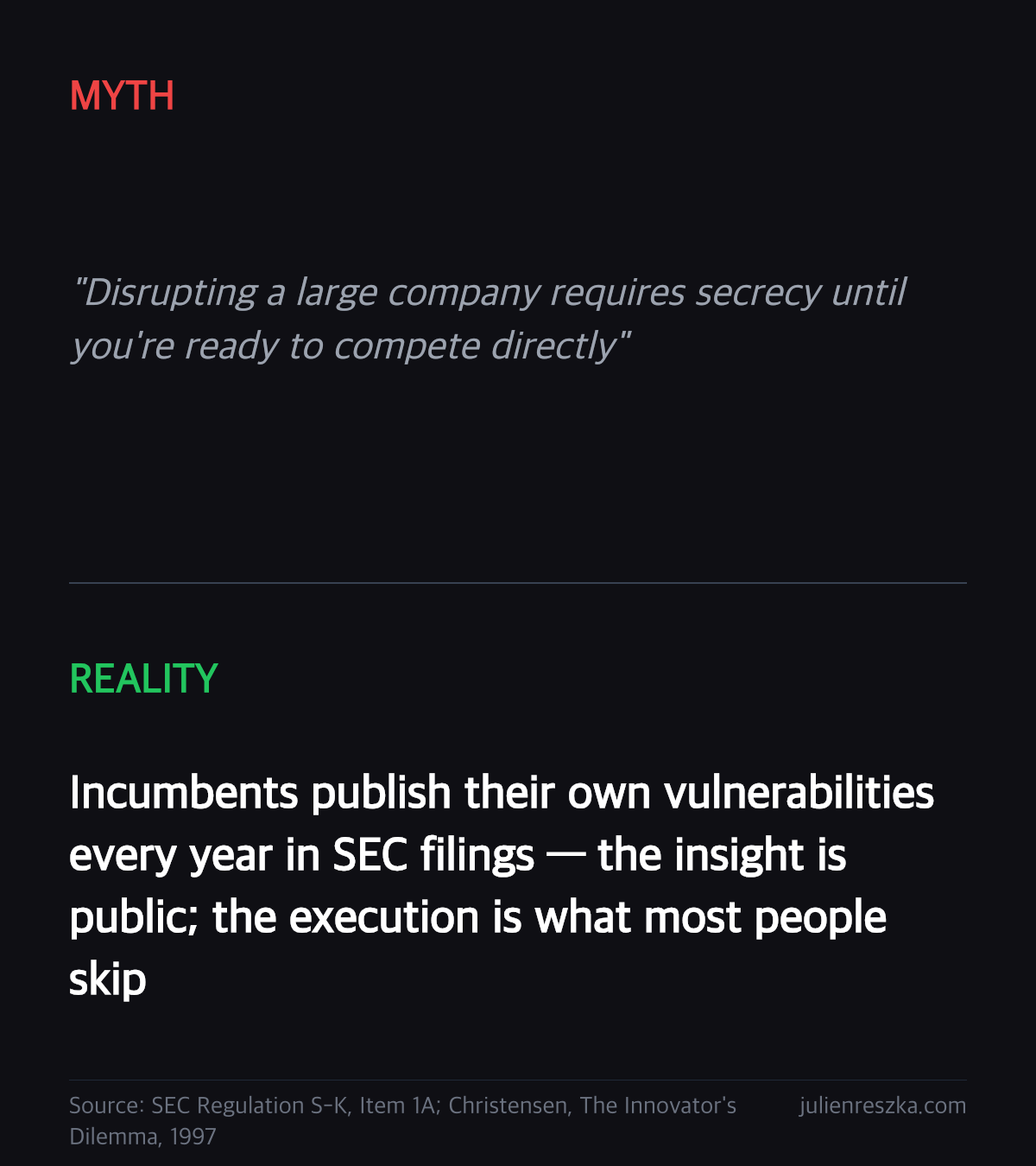
Myth: Disrupting a large company requires secrecy until you're ready to compete directly
-
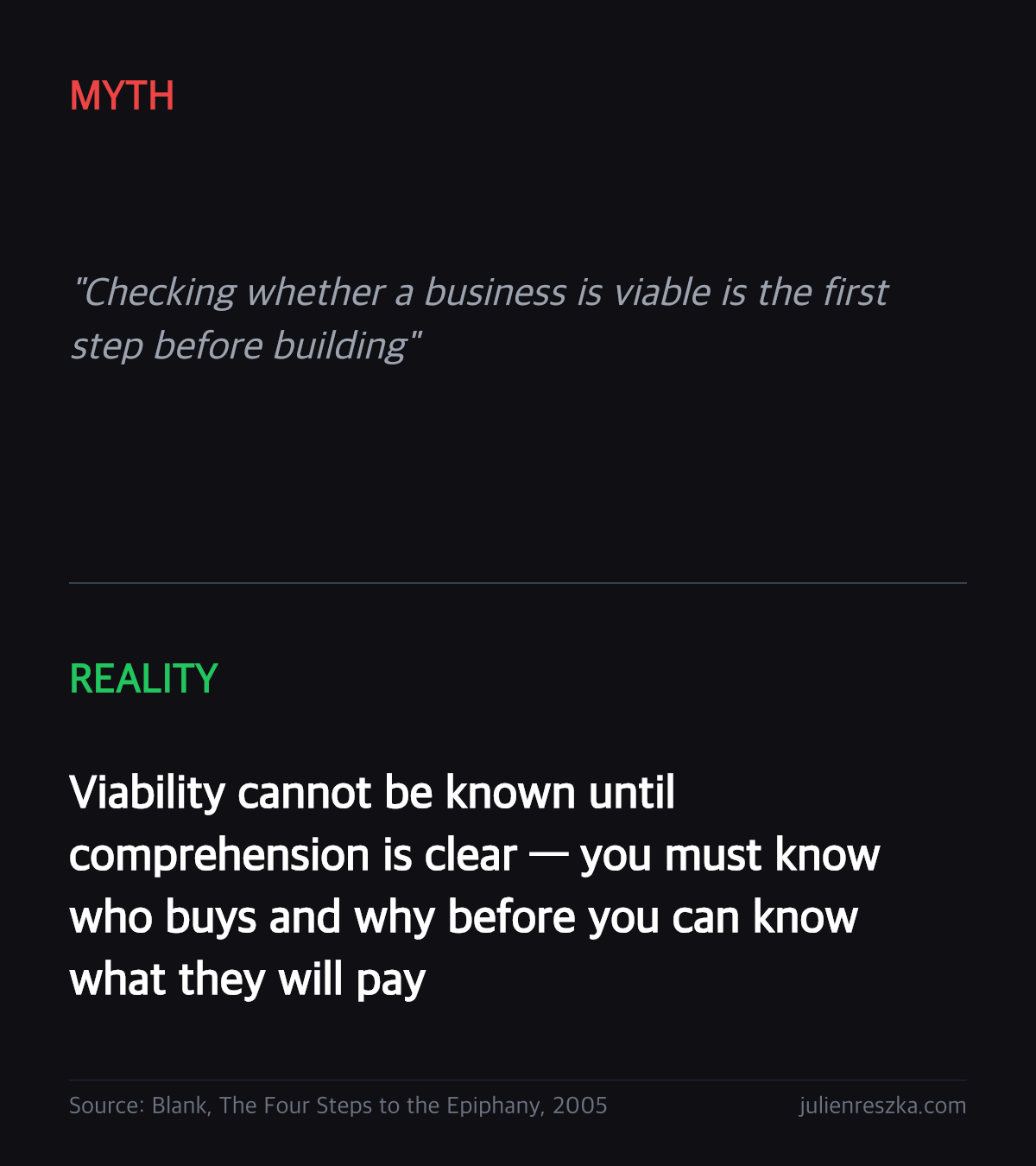
Myth: Checking whether a business is viable is the first step before building
-
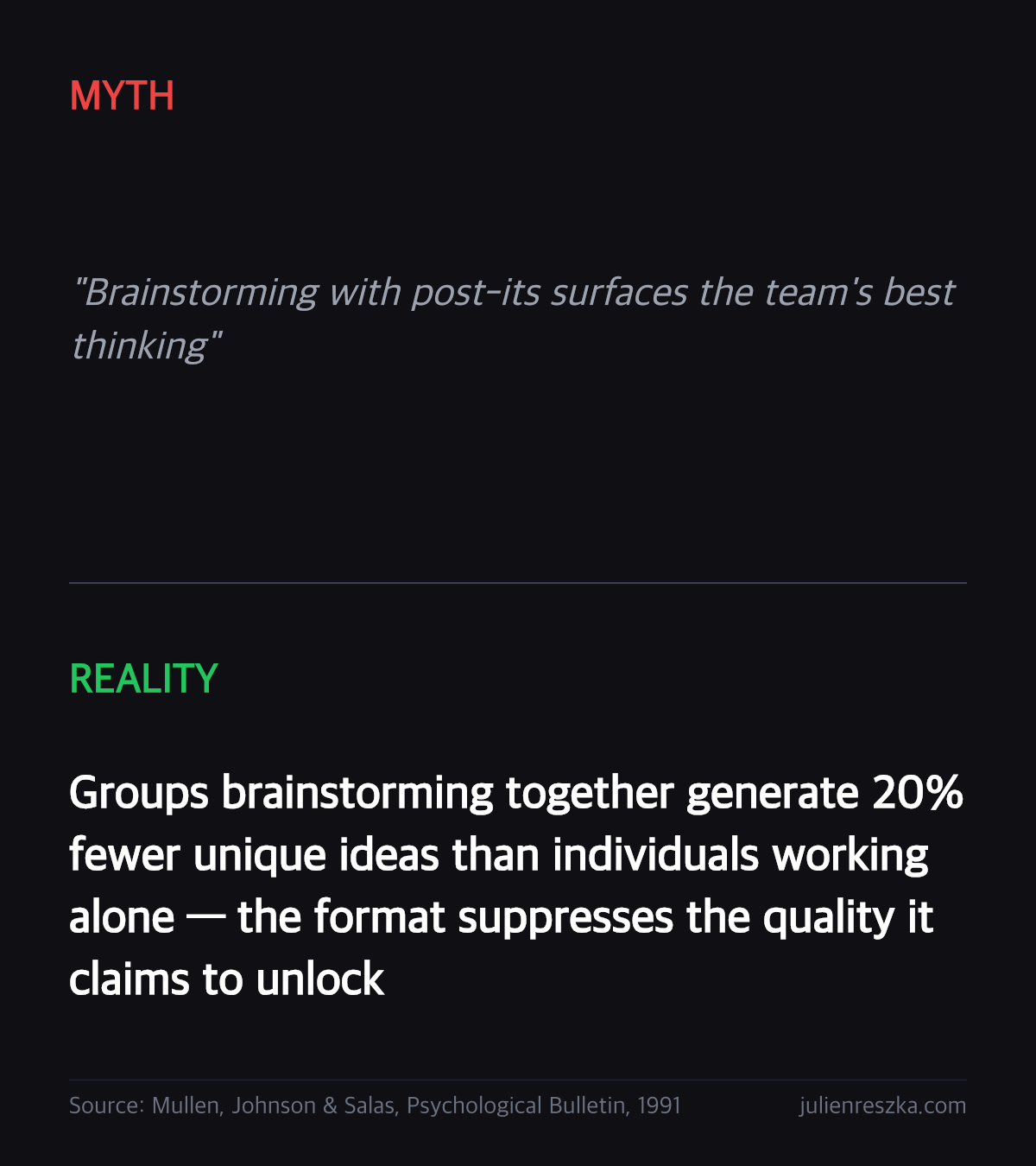
Myth: Brainstorming with post-its surfaces the team's best thinking
-
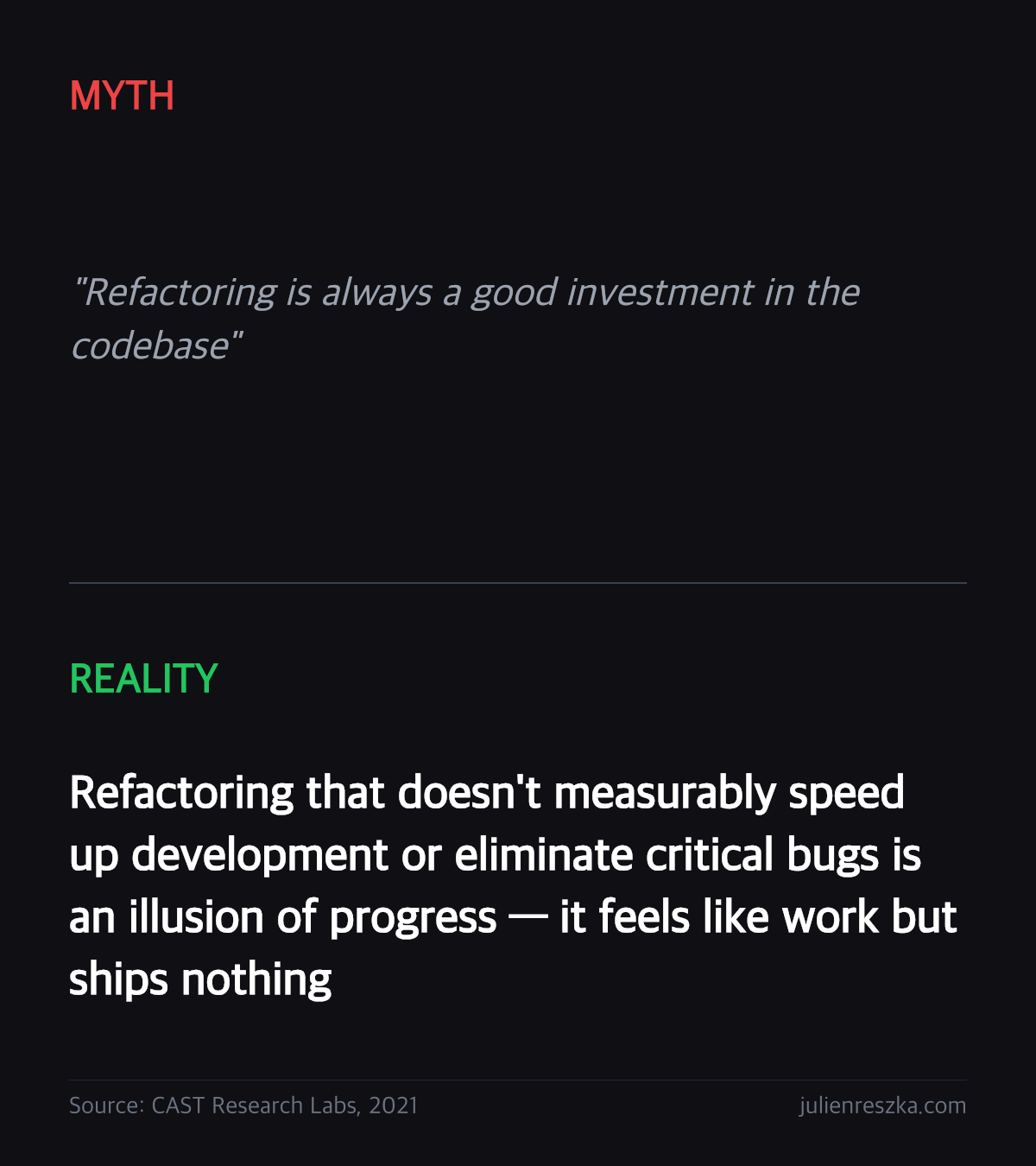
Myth: Refactoring is always a good investment in the codebase
-
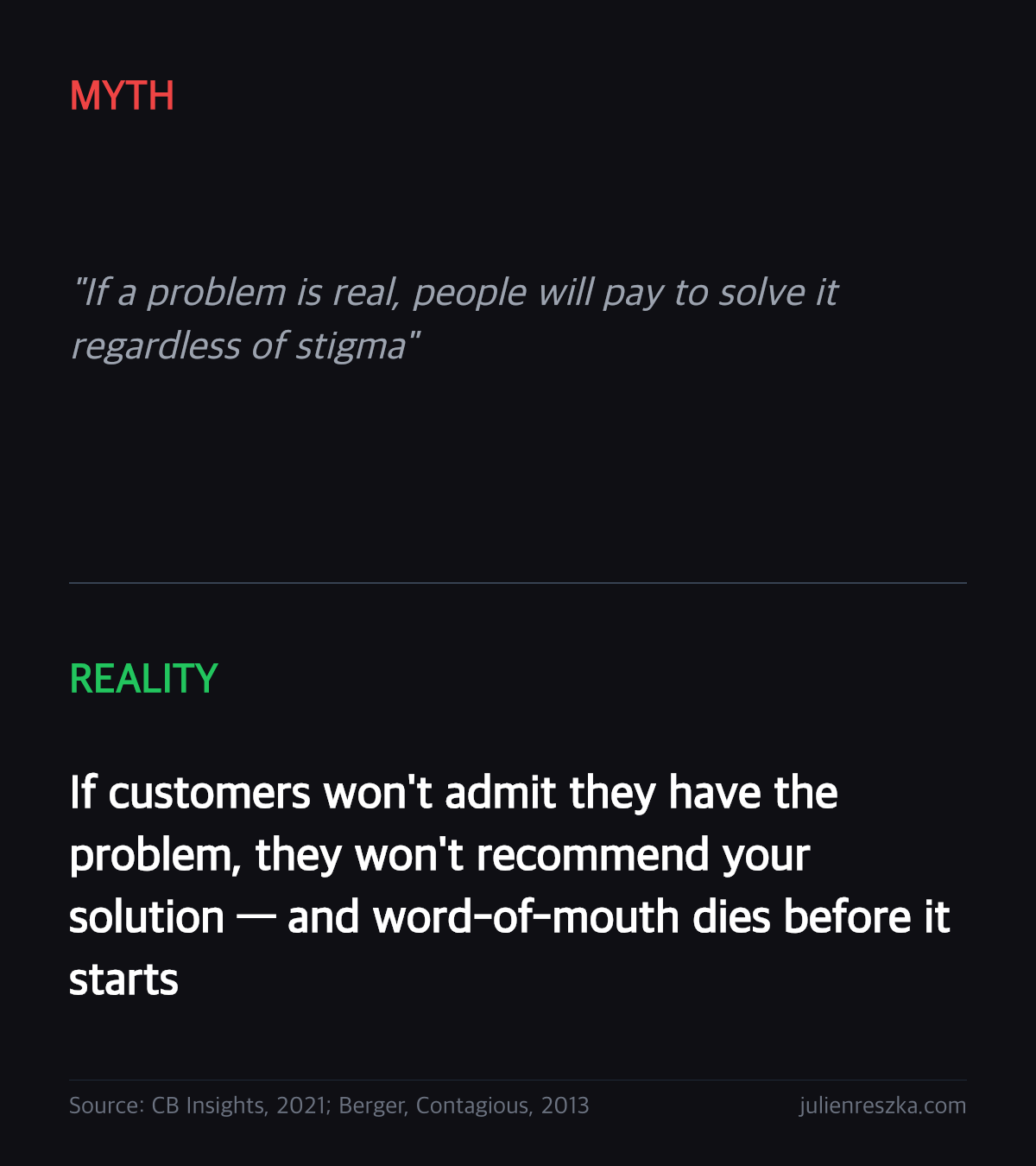
Myth: Our retention proves the problem is real and growth will come eventually
-
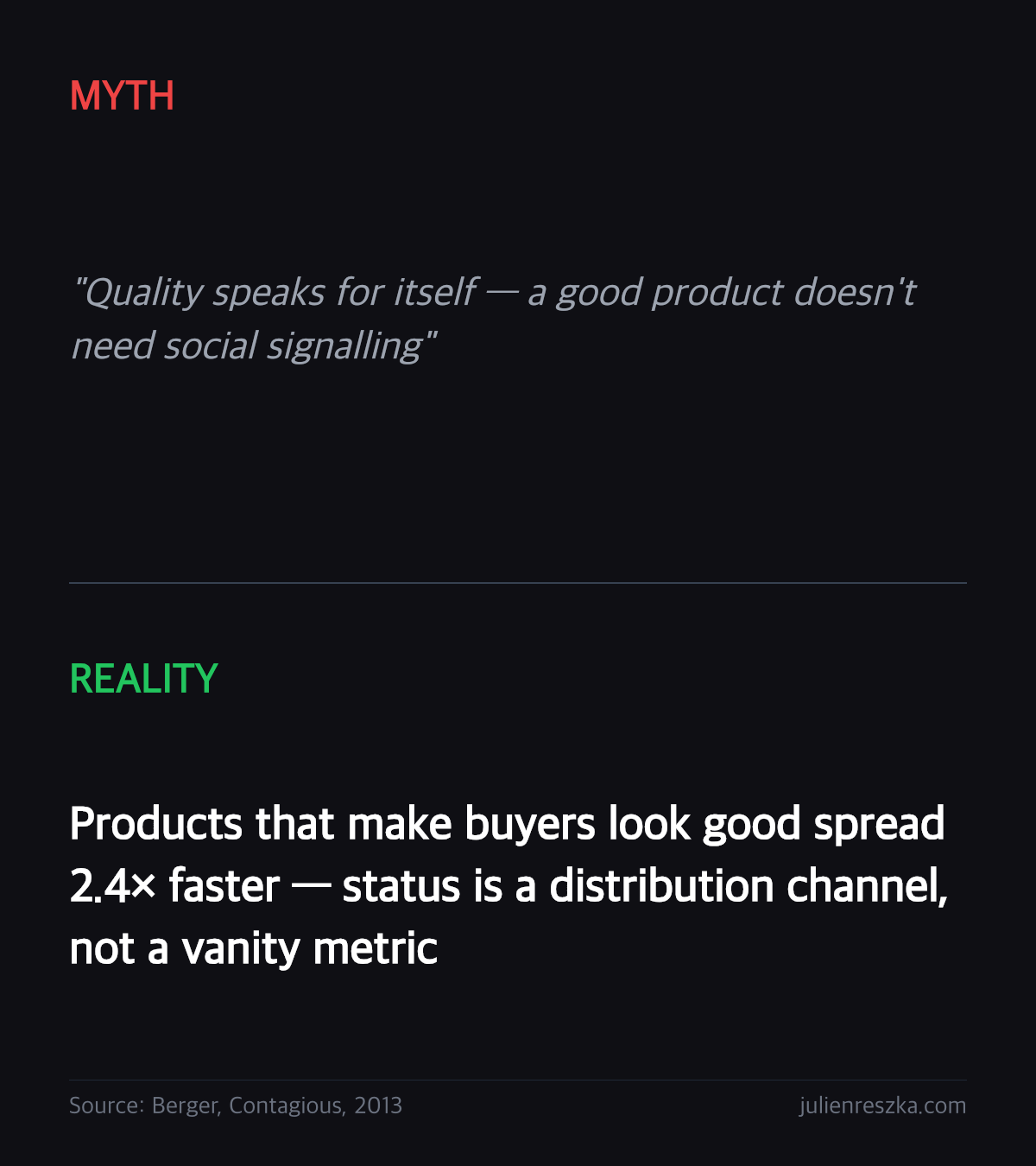
Myth: Quality speaks for itself and a good product doesn't need social signalling
-
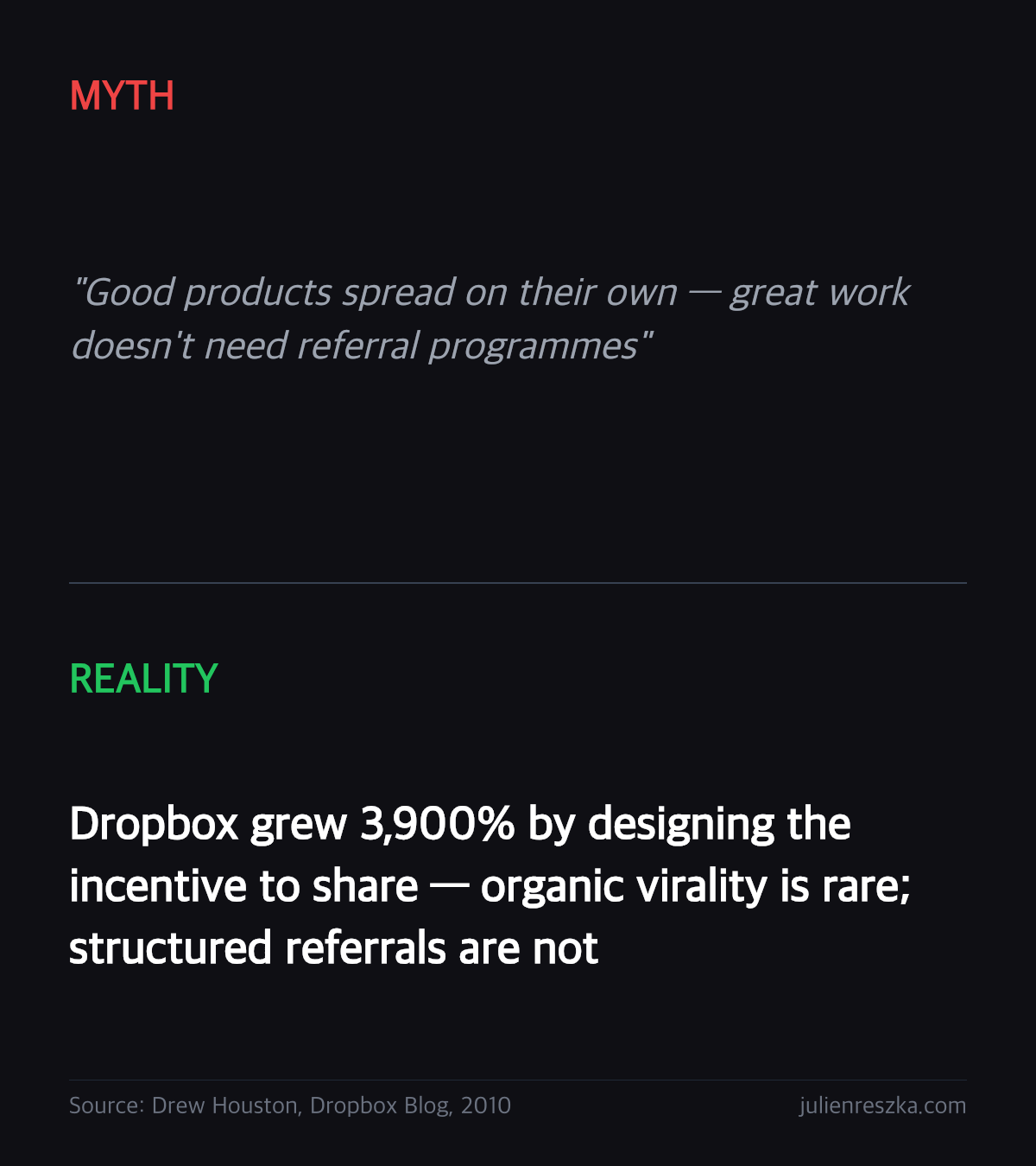
Myth: Good products spread on their own and great work doesn't need referral programmes
-
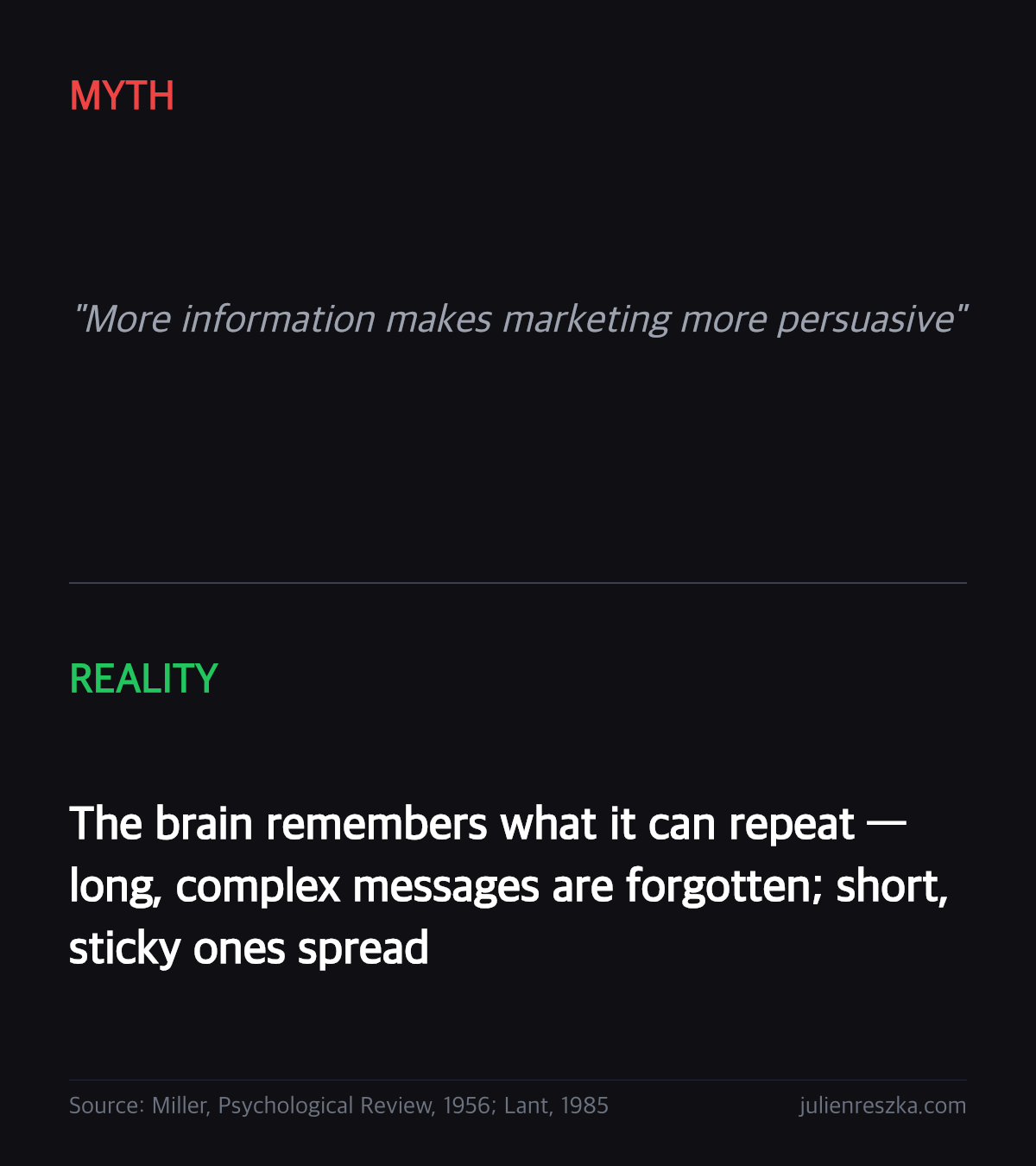
Myth: More information makes marketing more persuasive
-
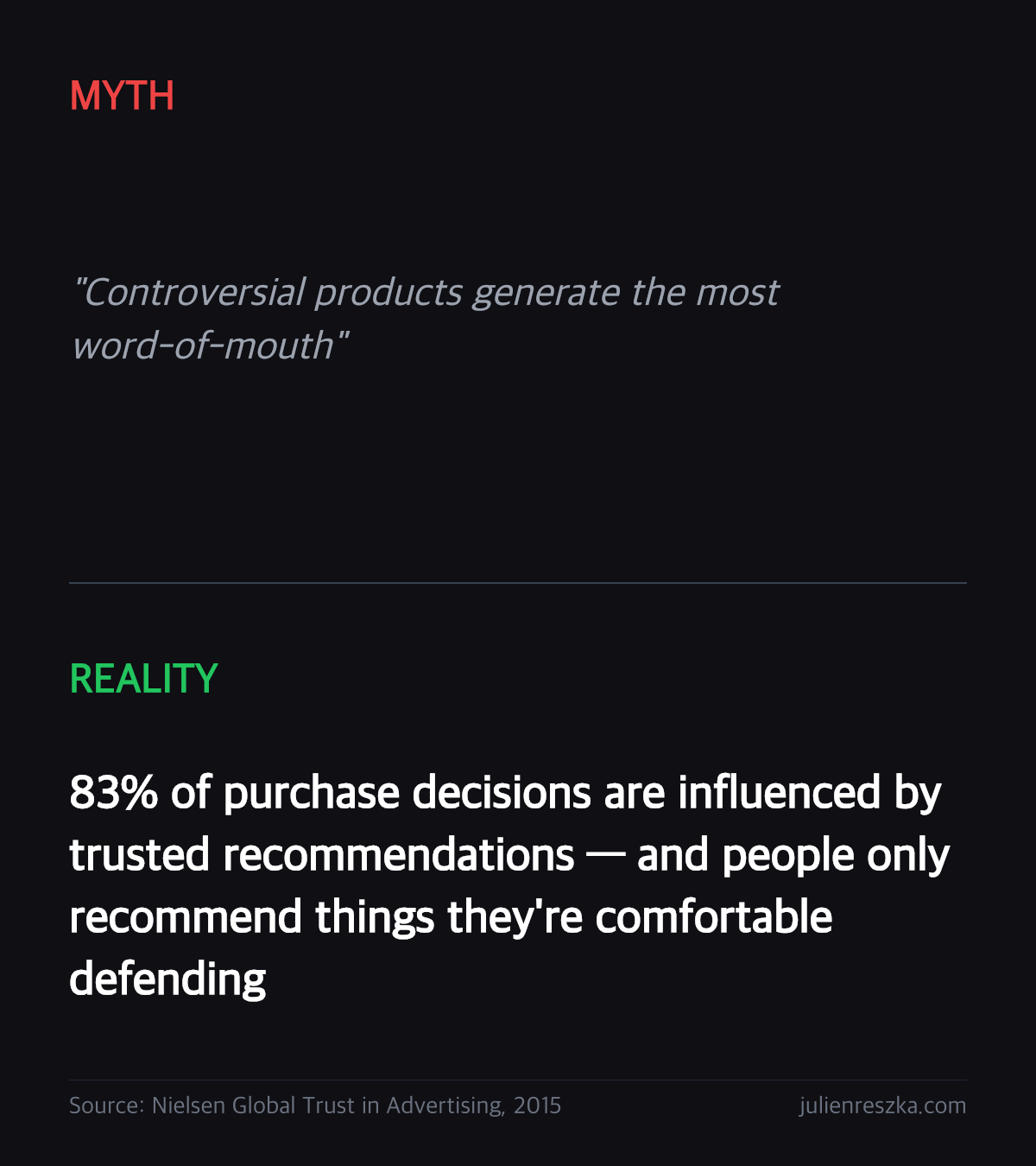
Myth: Controversial products generate the most word-of-mouth
-
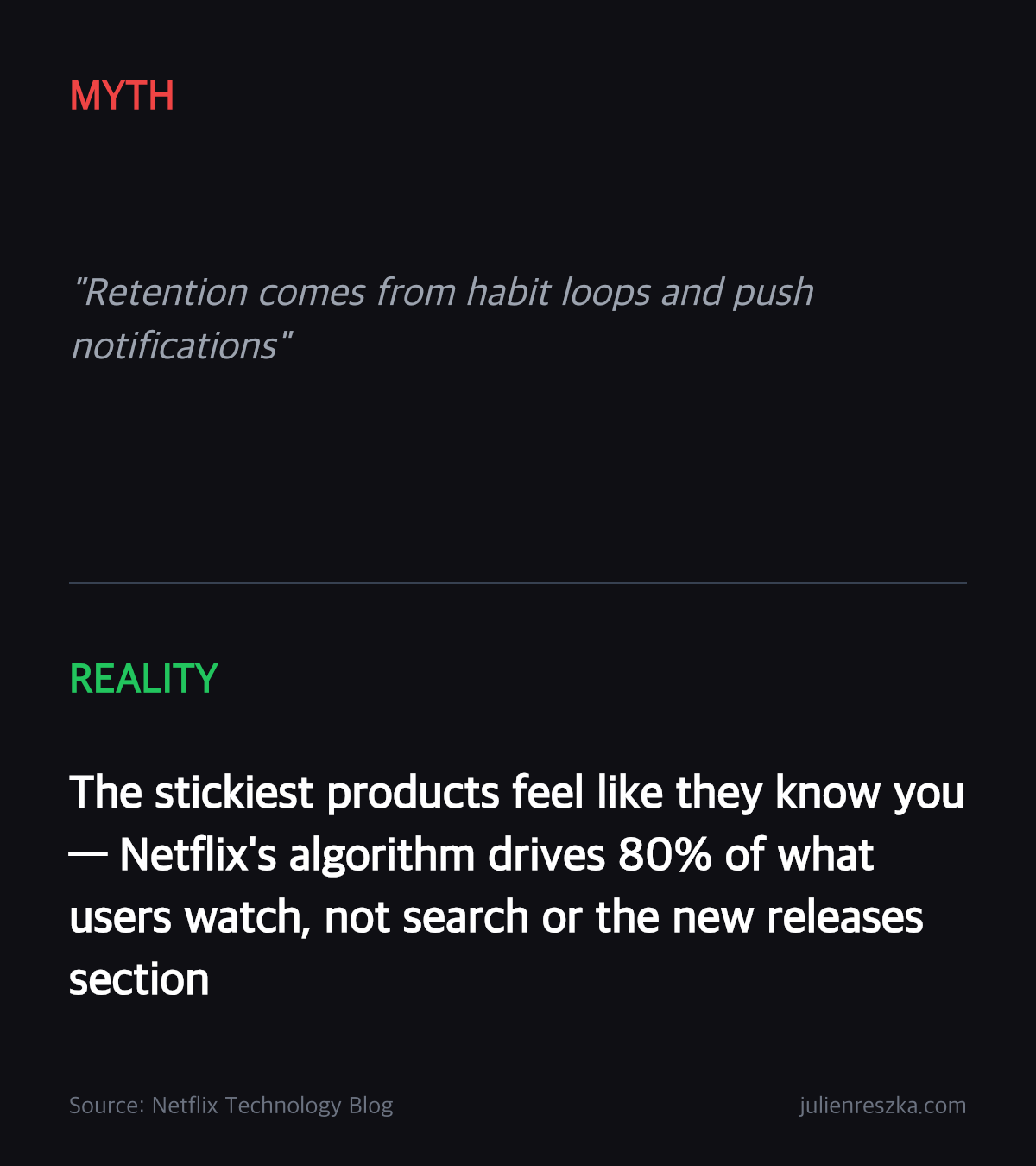
Myth: Retention comes from habit loops and push notifications
-
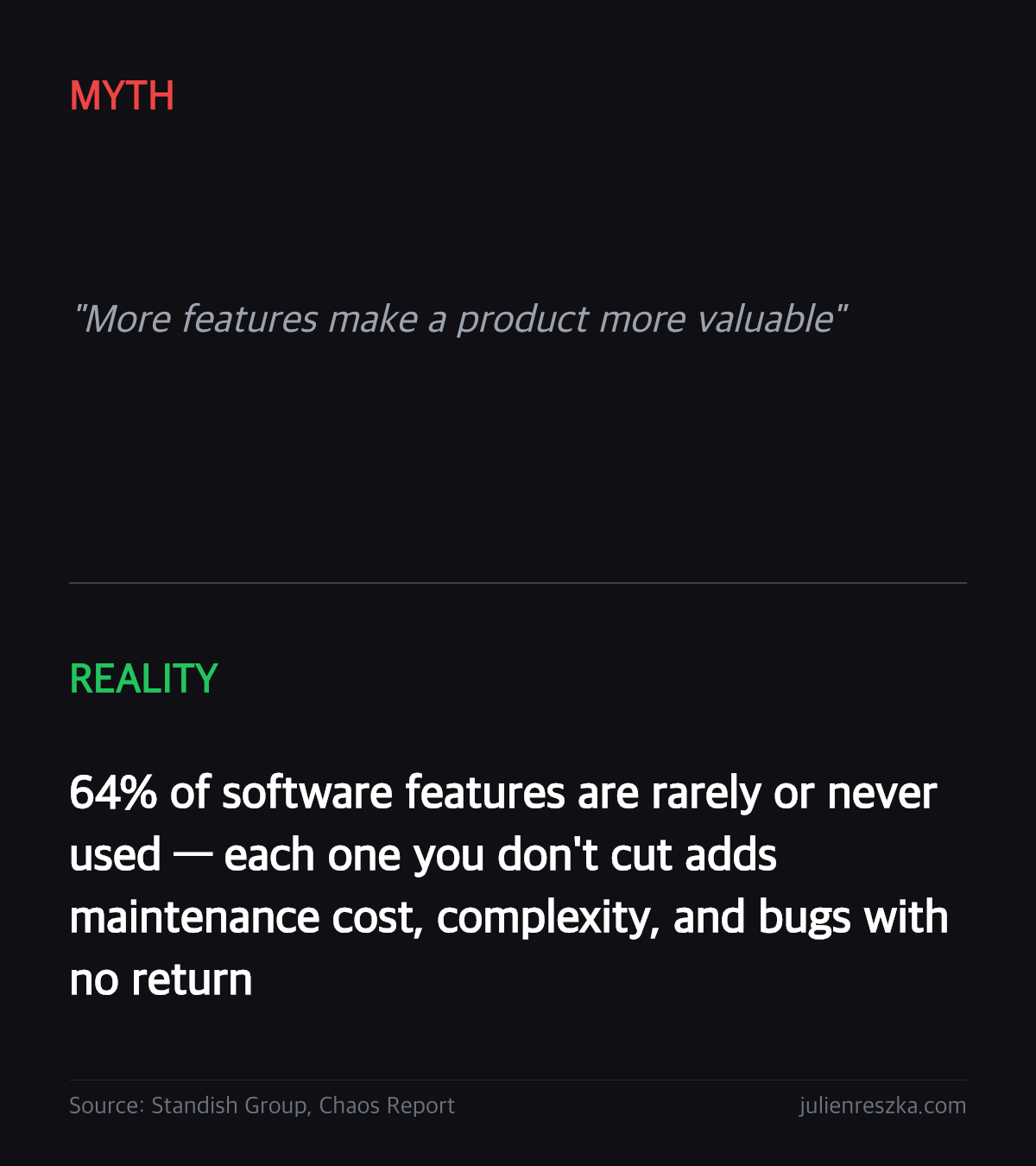
Myth: More features make a product more valuable
-
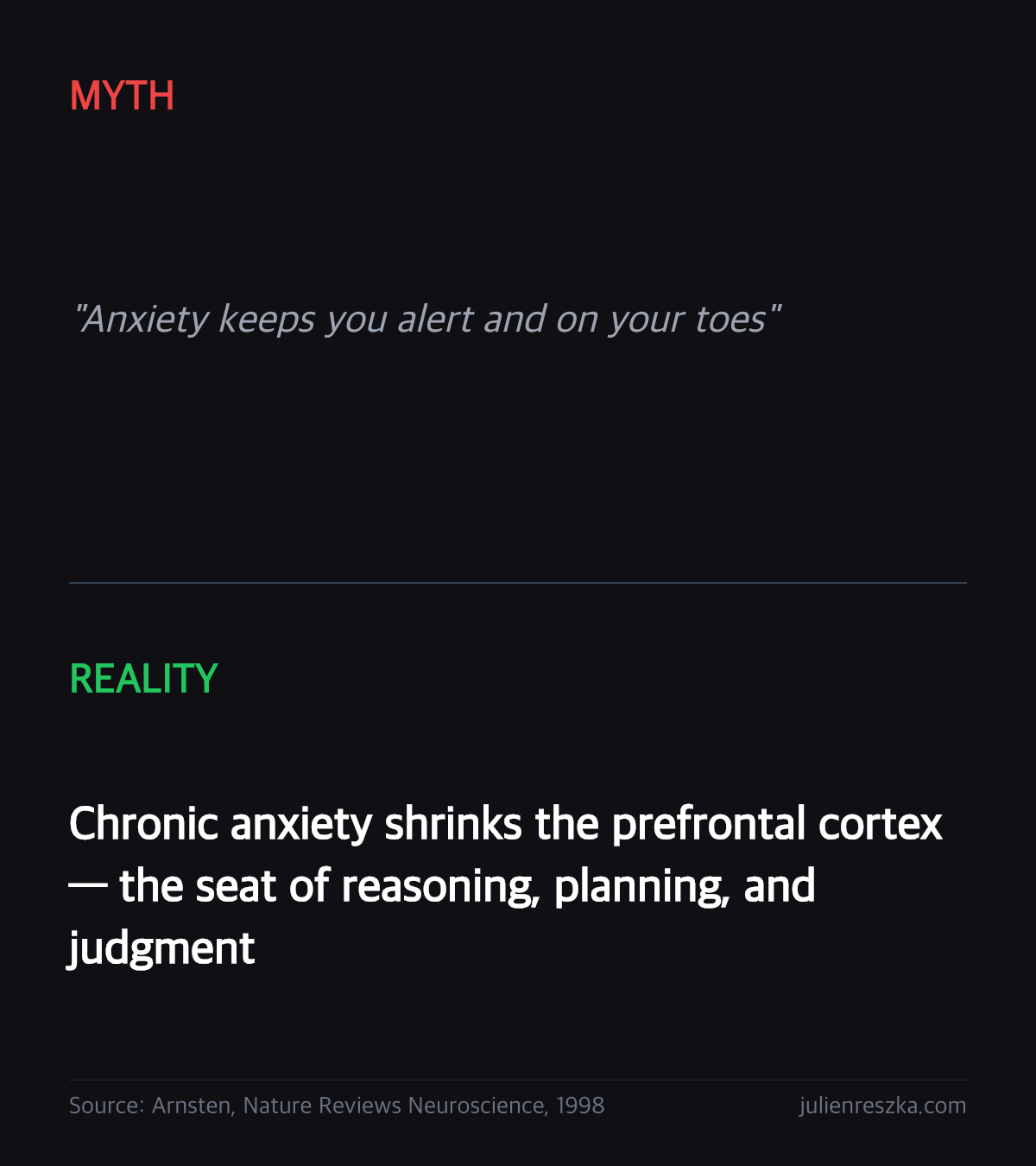
Myth: Anxiety keeps you alert and on your toes
-
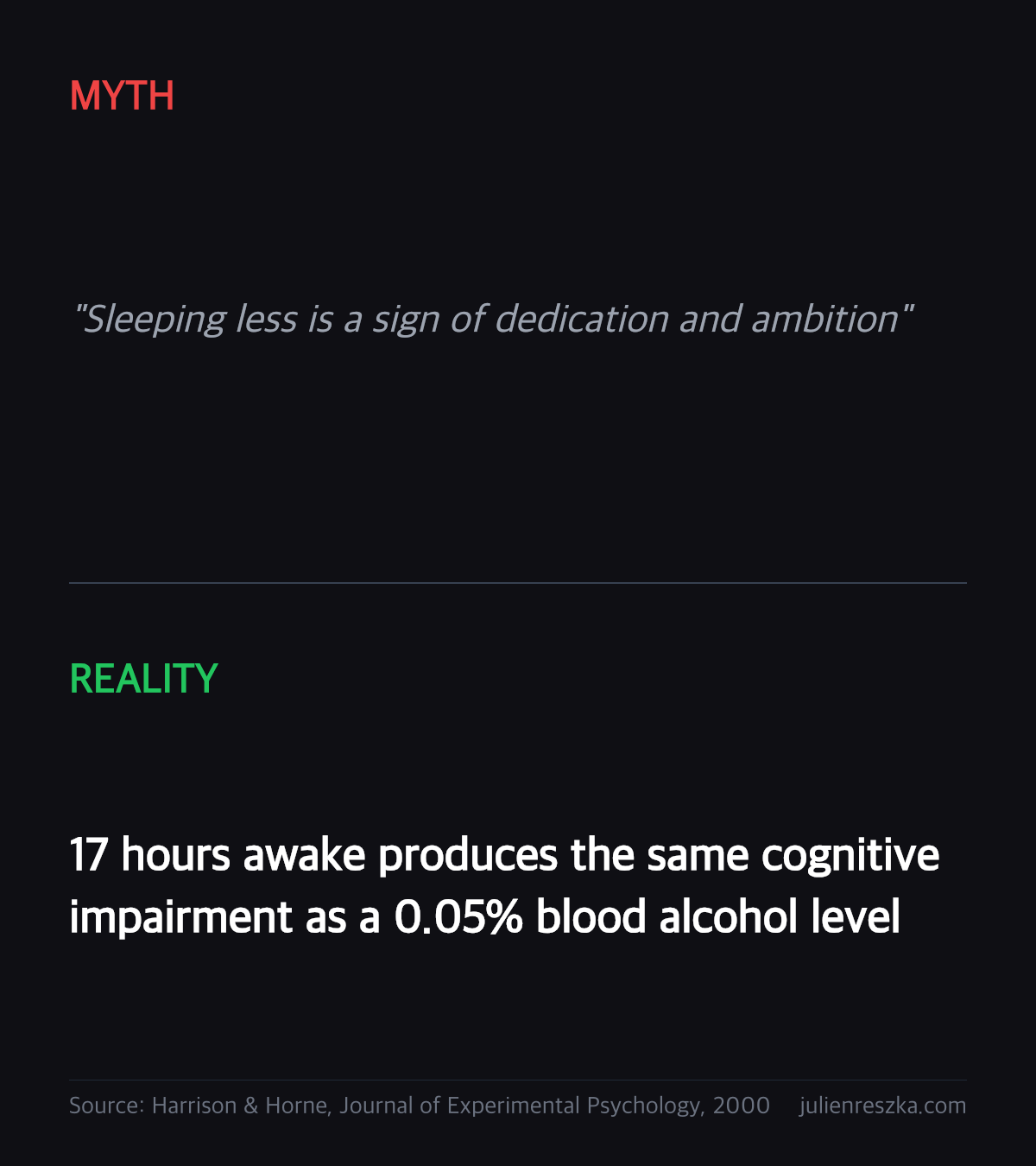
Myth: Sleeping less is a sign of dedication and ambition
-
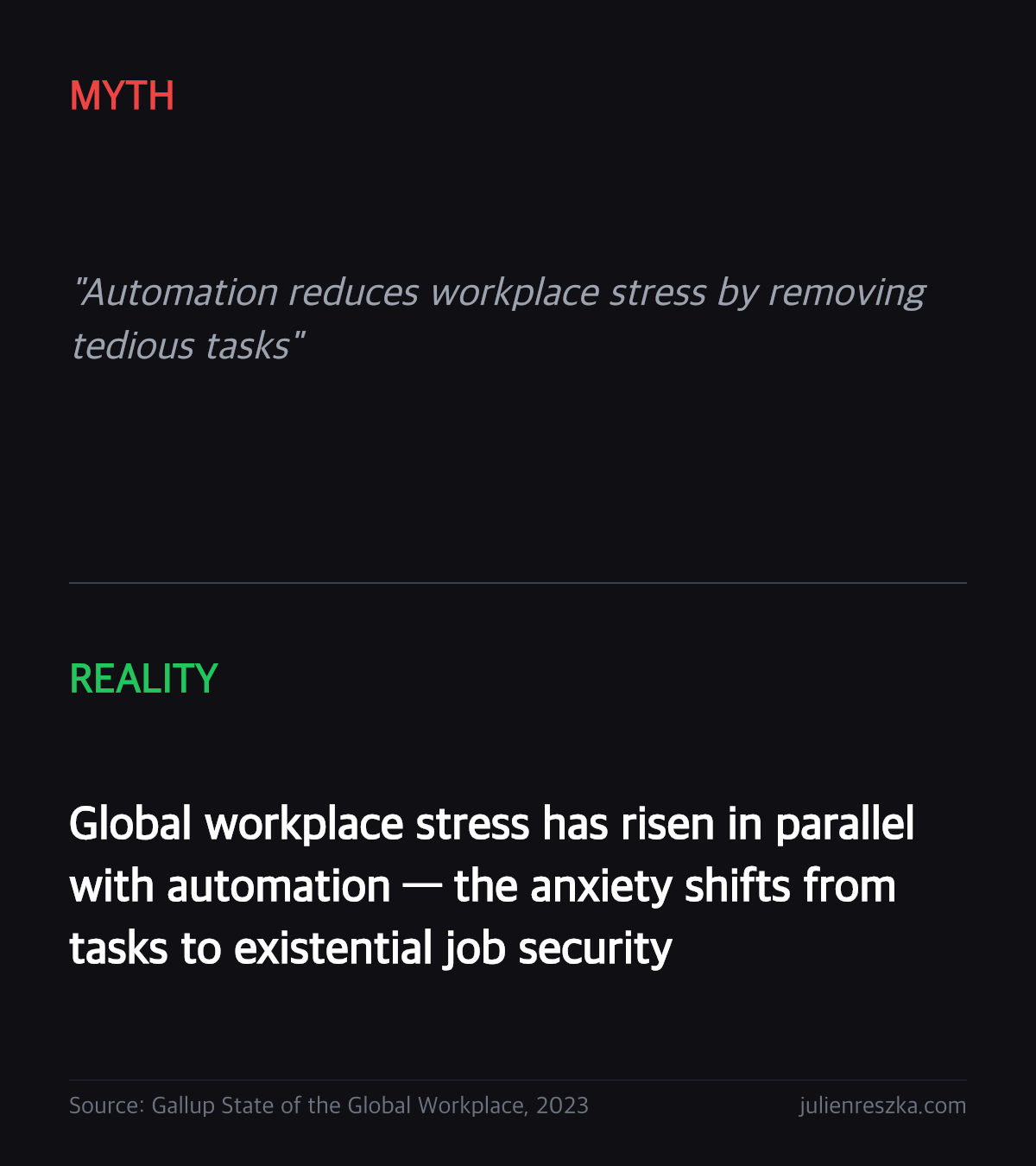
Myth: Automation reduces workplace stress by removing tedious tasks
-
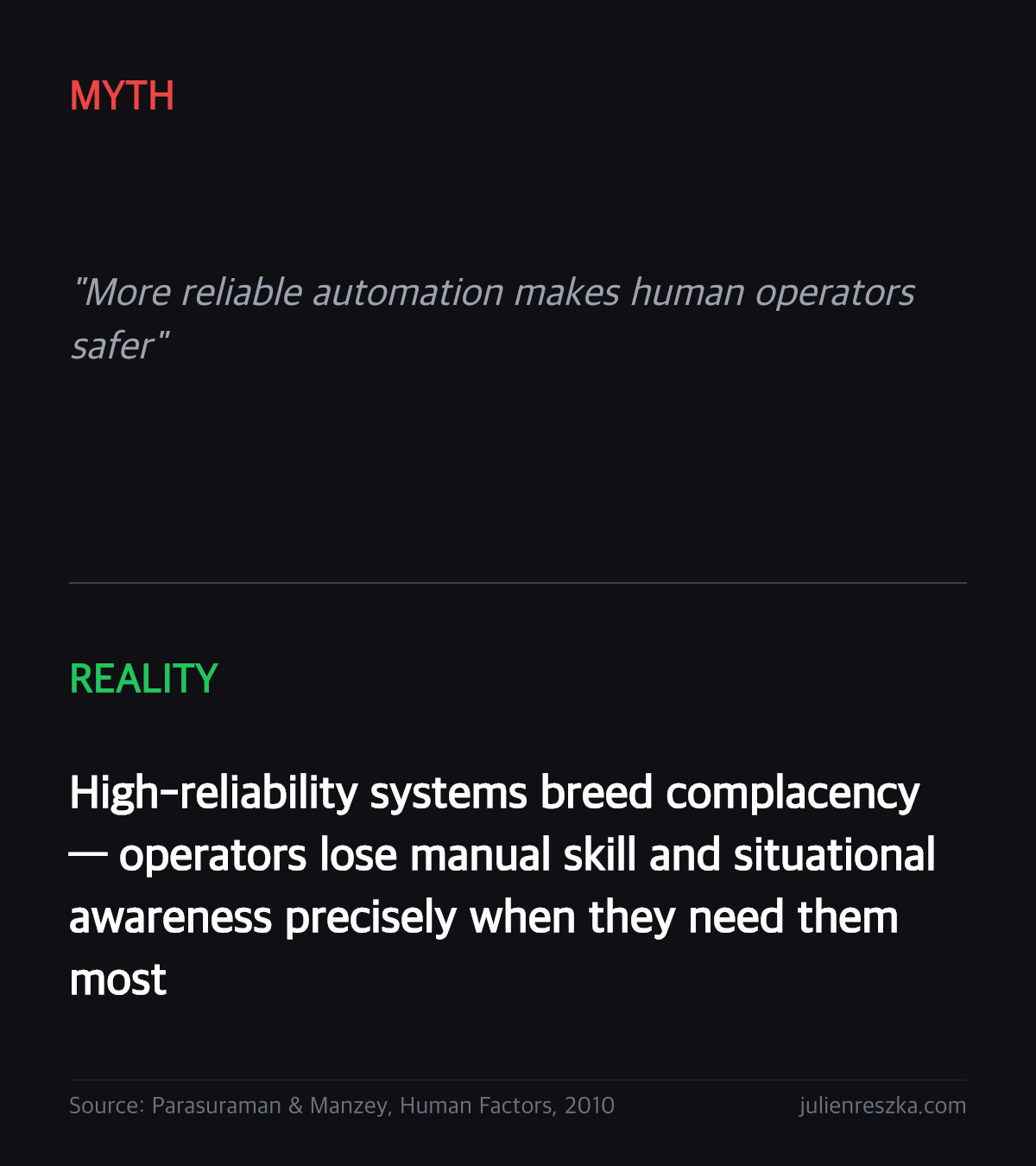
Myth: More reliable automation makes human operators safer
-
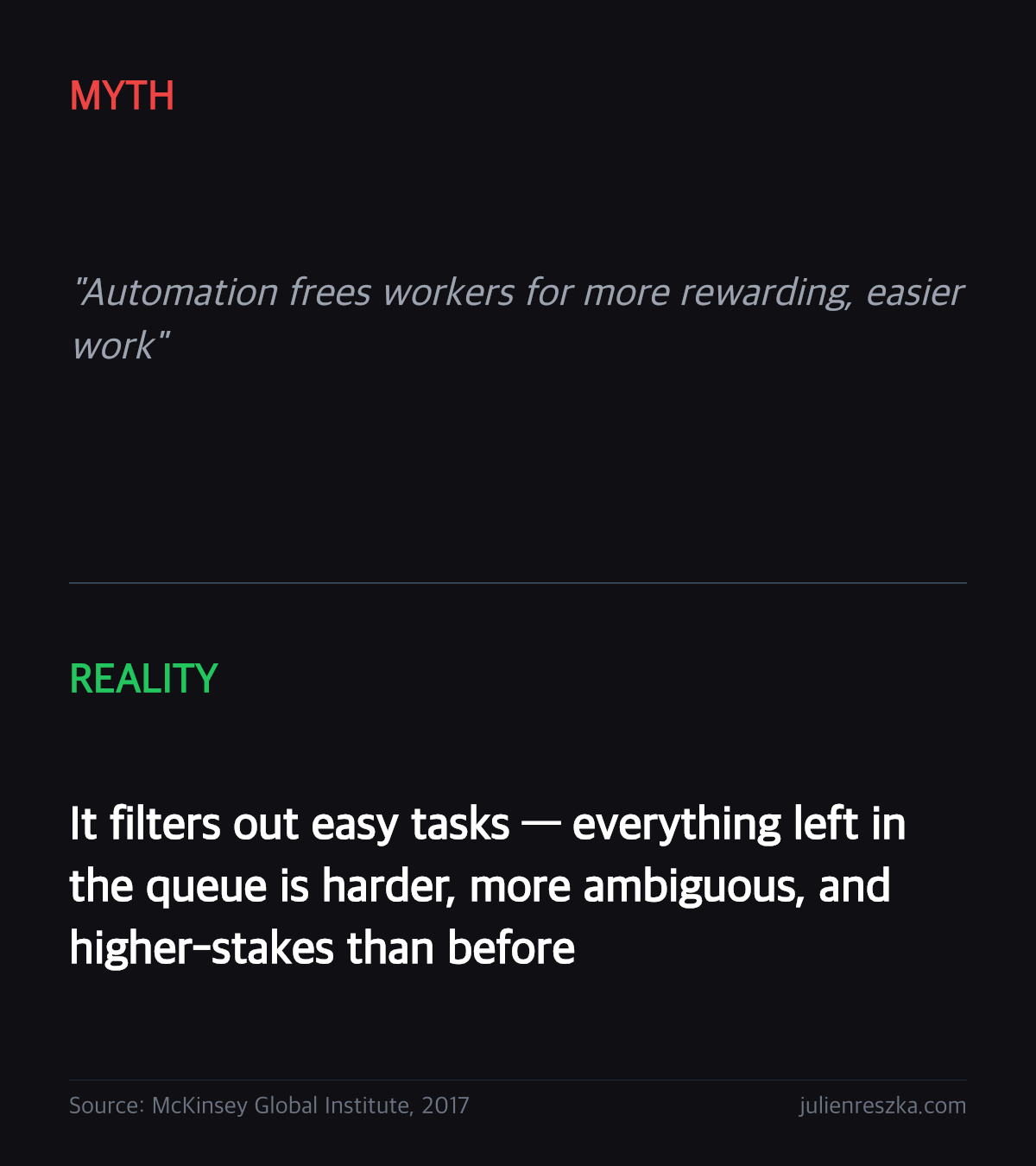
Myth: Automation frees workers for more rewarding, easier work
-
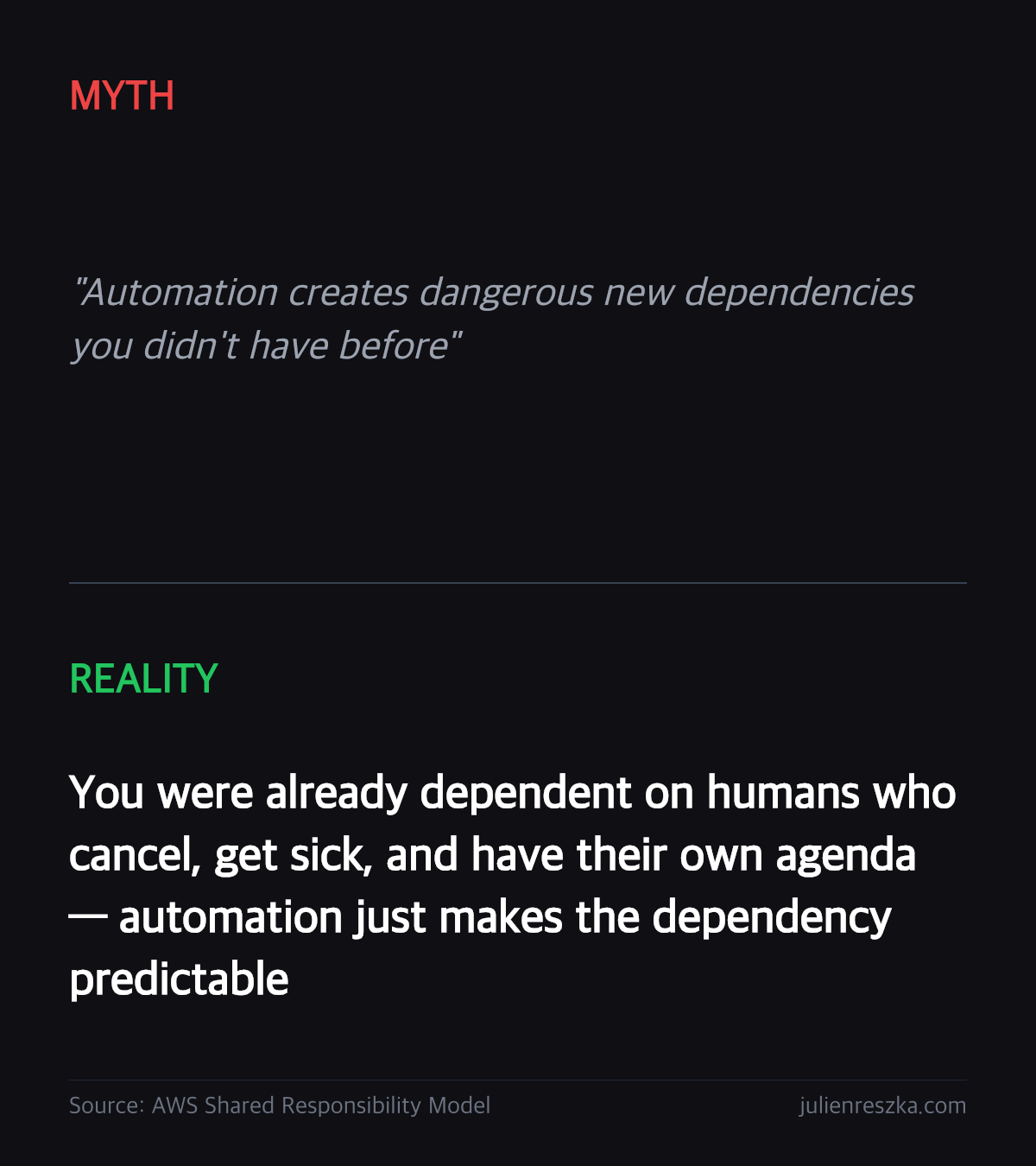
Myth: Automation creates dangerous new dependencies you didn't have before
-
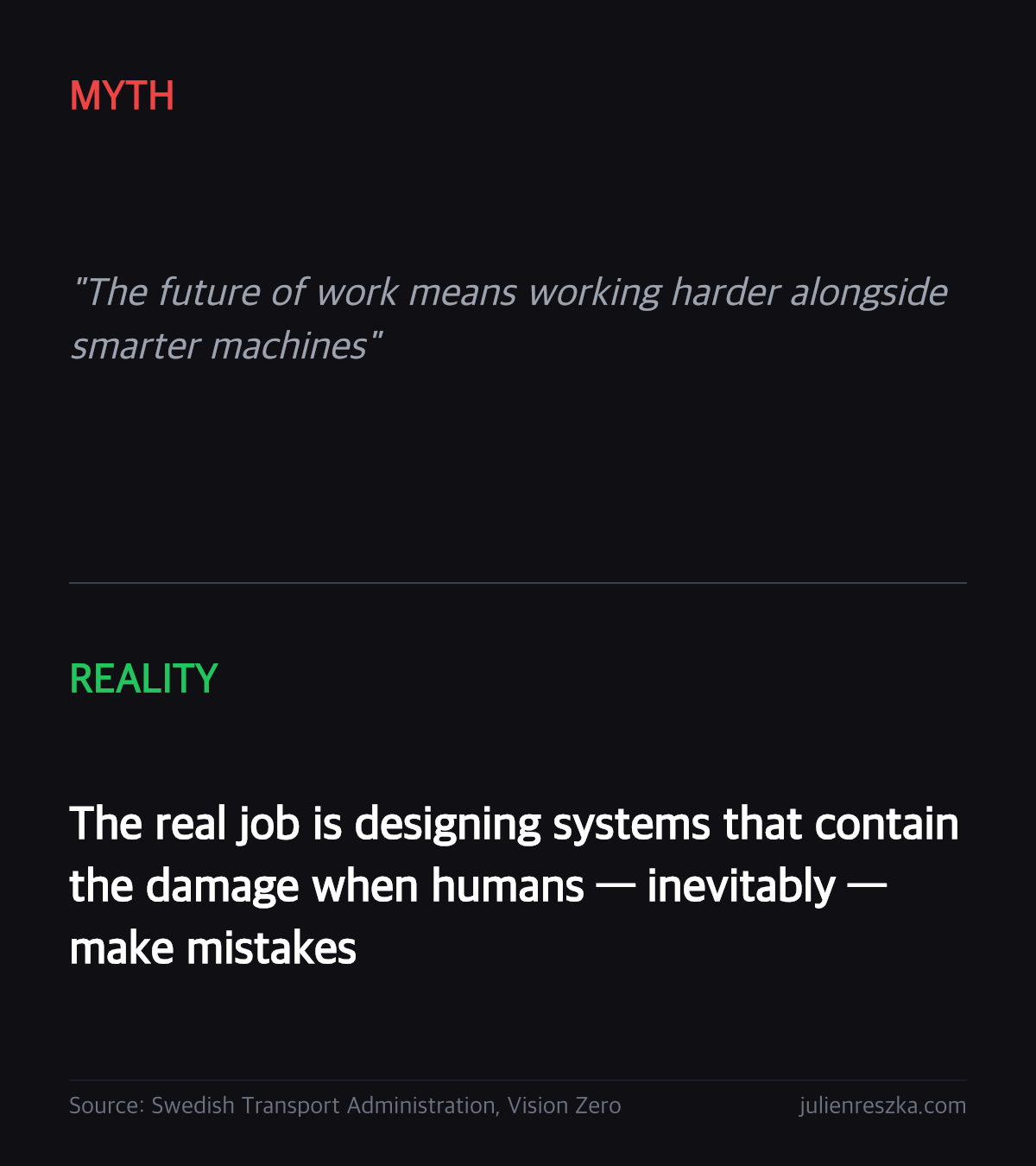
Myth: The future of work means working harder alongside smarter machines
-
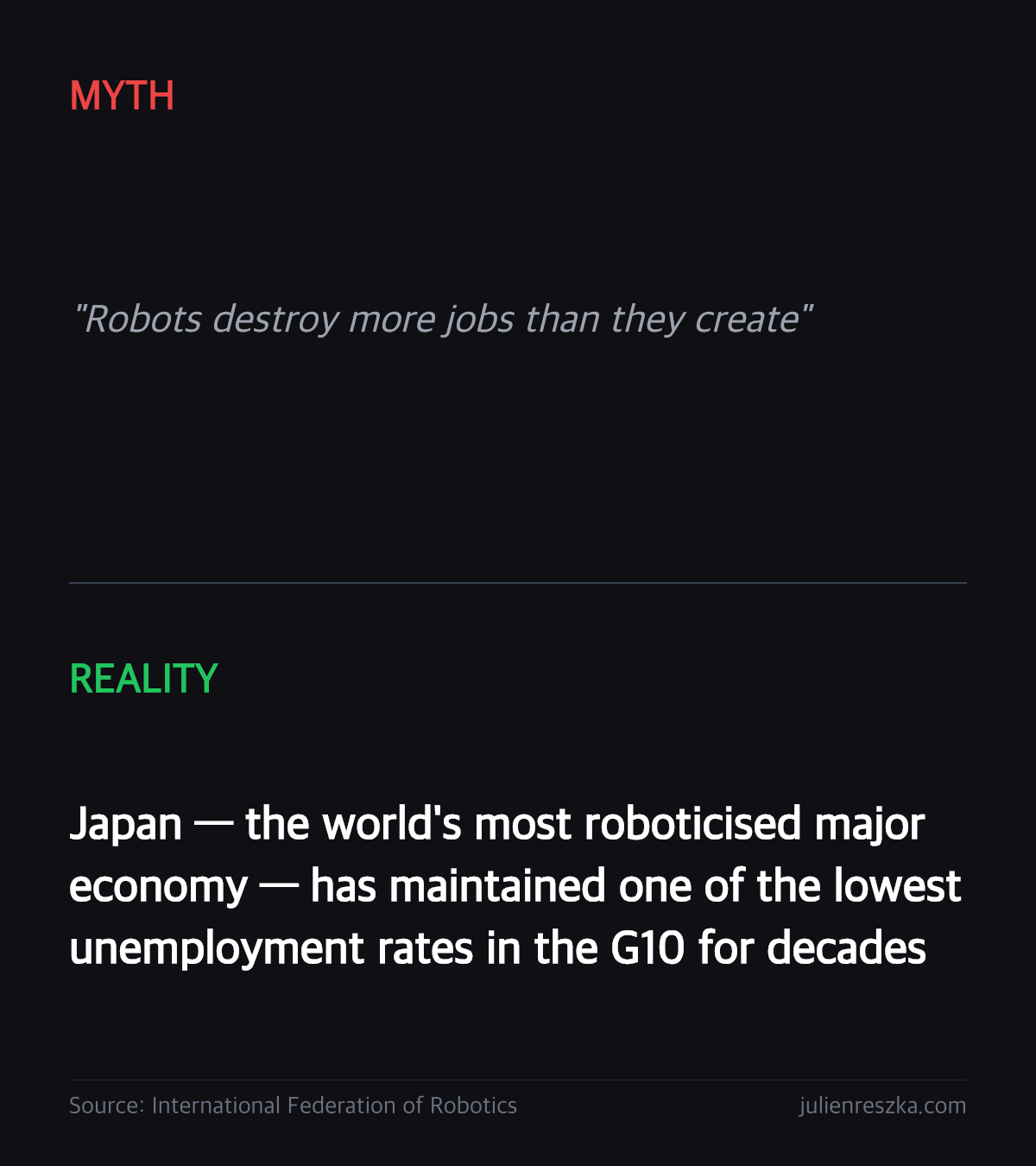
Myth: Robots destroy more jobs than they create
-
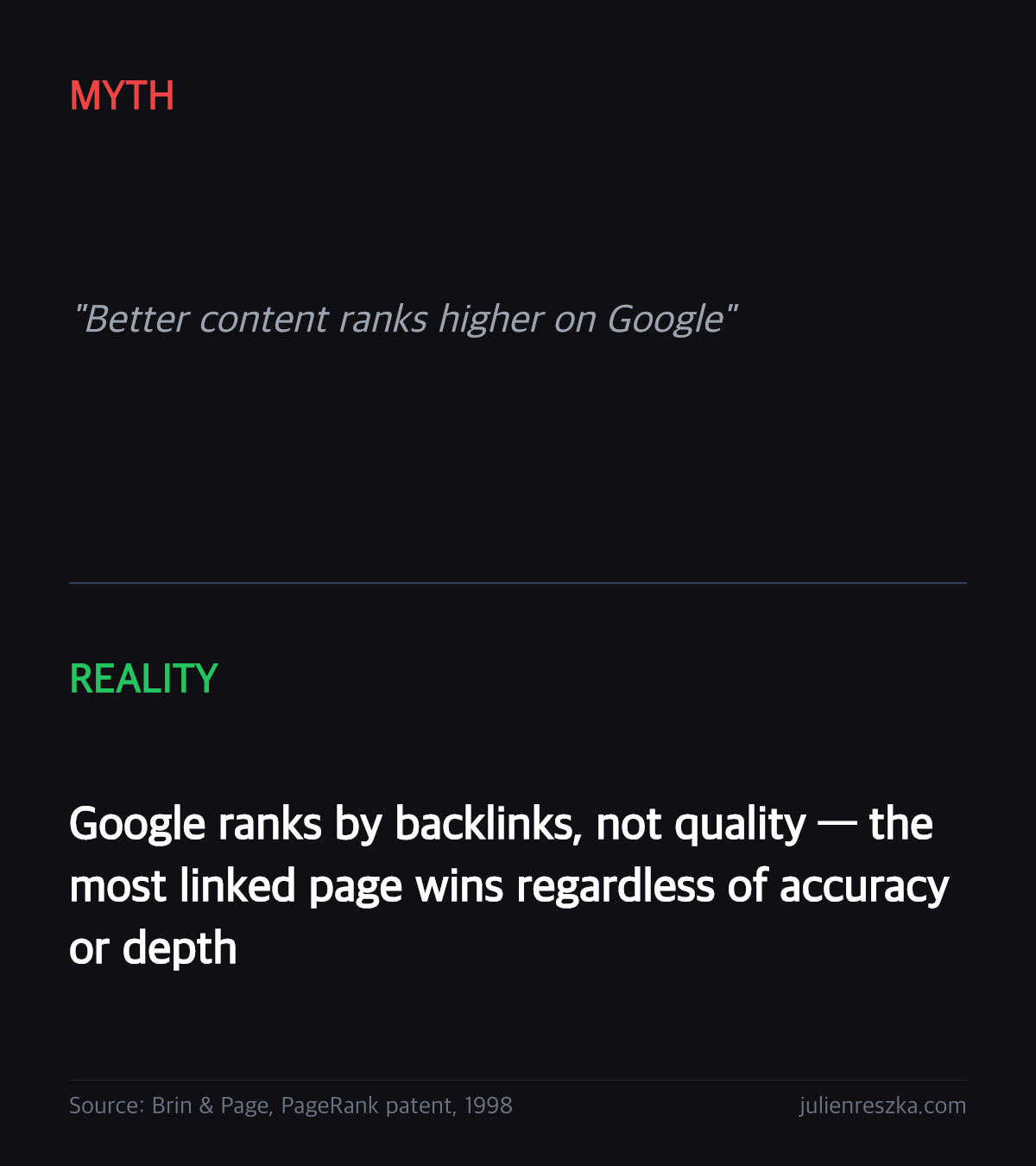
Myth: Better content ranks higher on Google
-
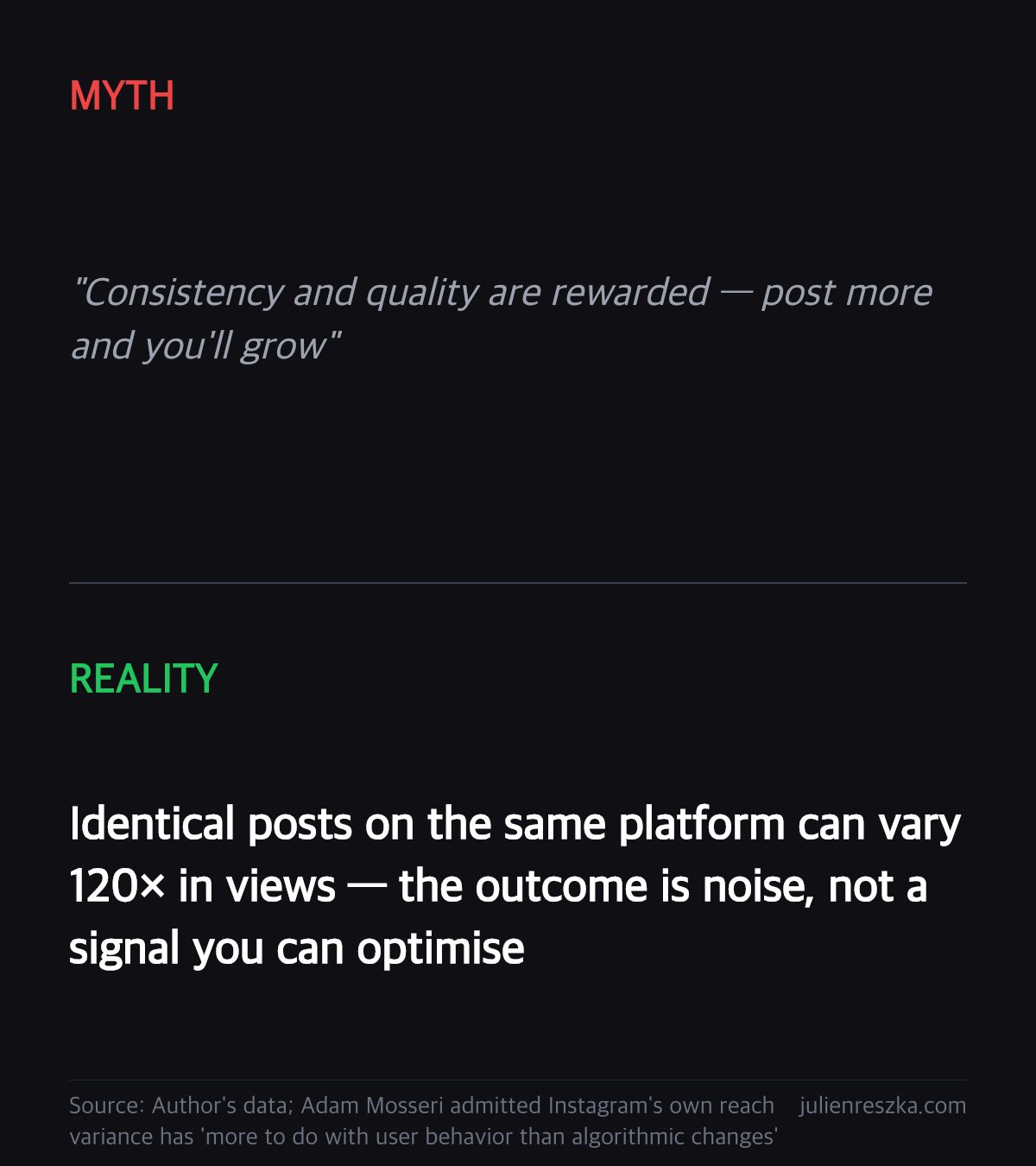
Myth: Consistency and quality are rewarded and posting more will make you grow
-
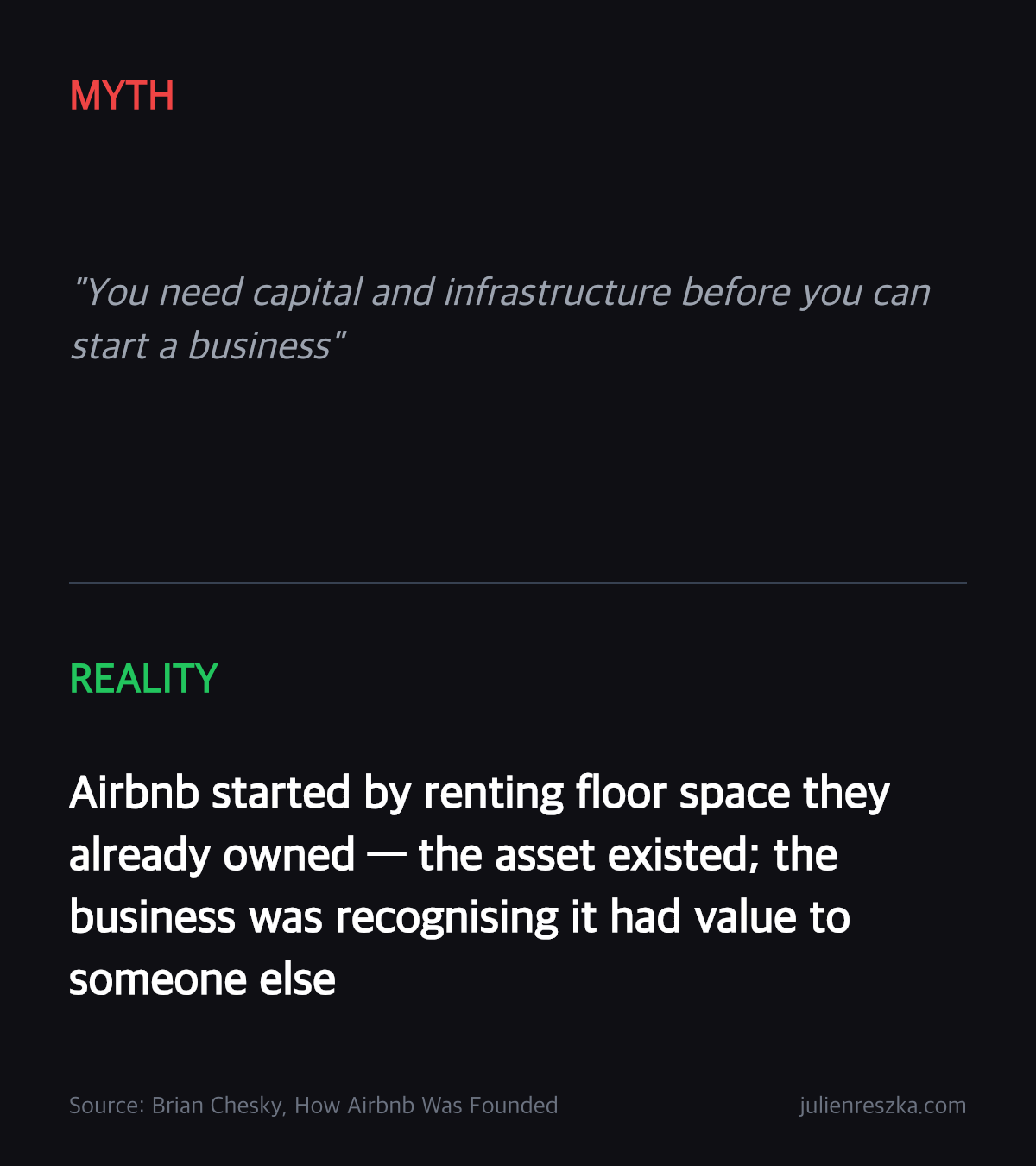
Myth: You need capital and infrastructure before you can start a business
-
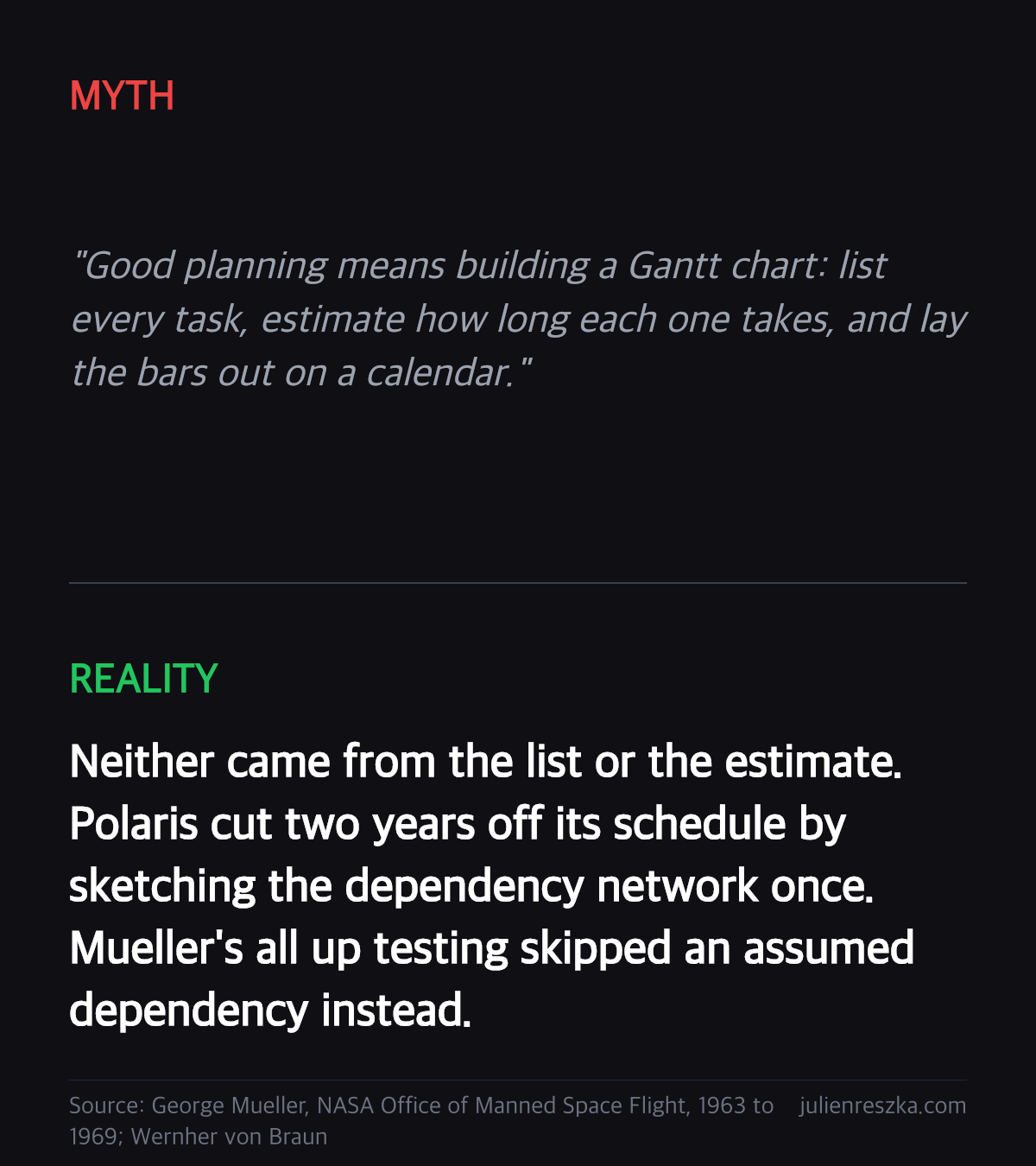
Myth: Good planning means building a Gantt chart: list every task, estimate how long each one takes, and lay the bars out on a calendar.
-
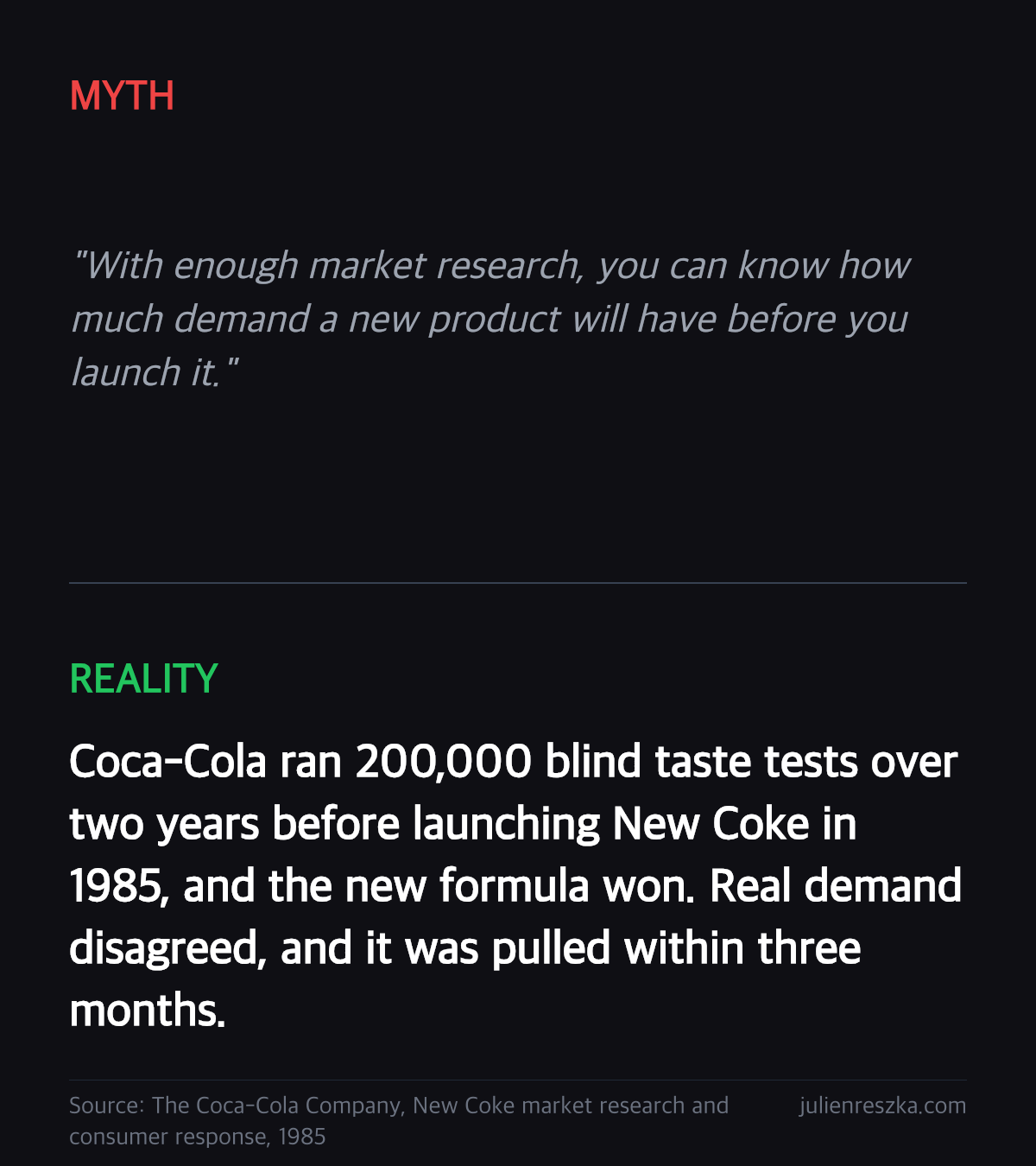
Myth: With enough market research, you can know how much demand a new product will have before you launch it.
-
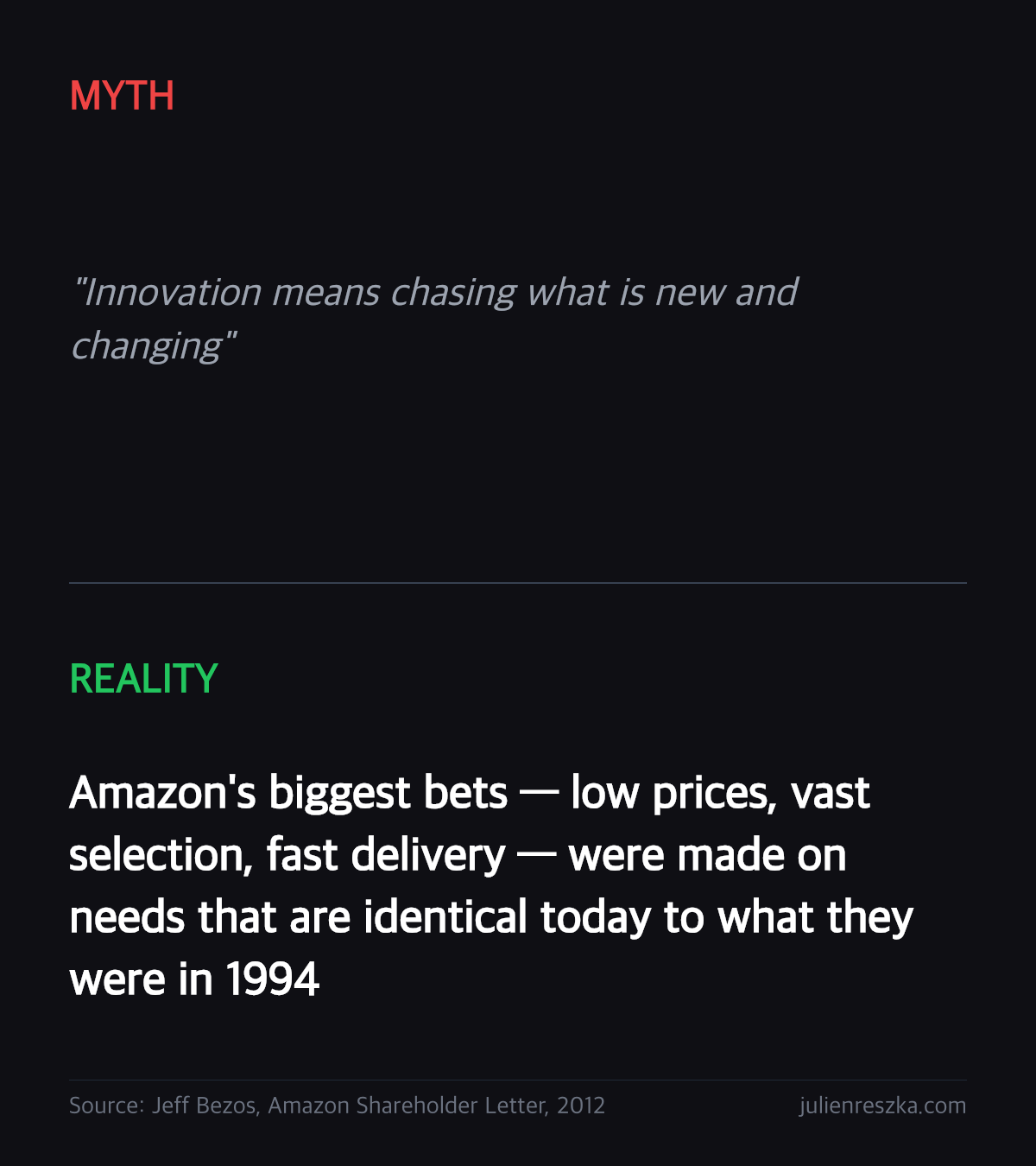
Myth: Innovation means chasing what is new and changing
-
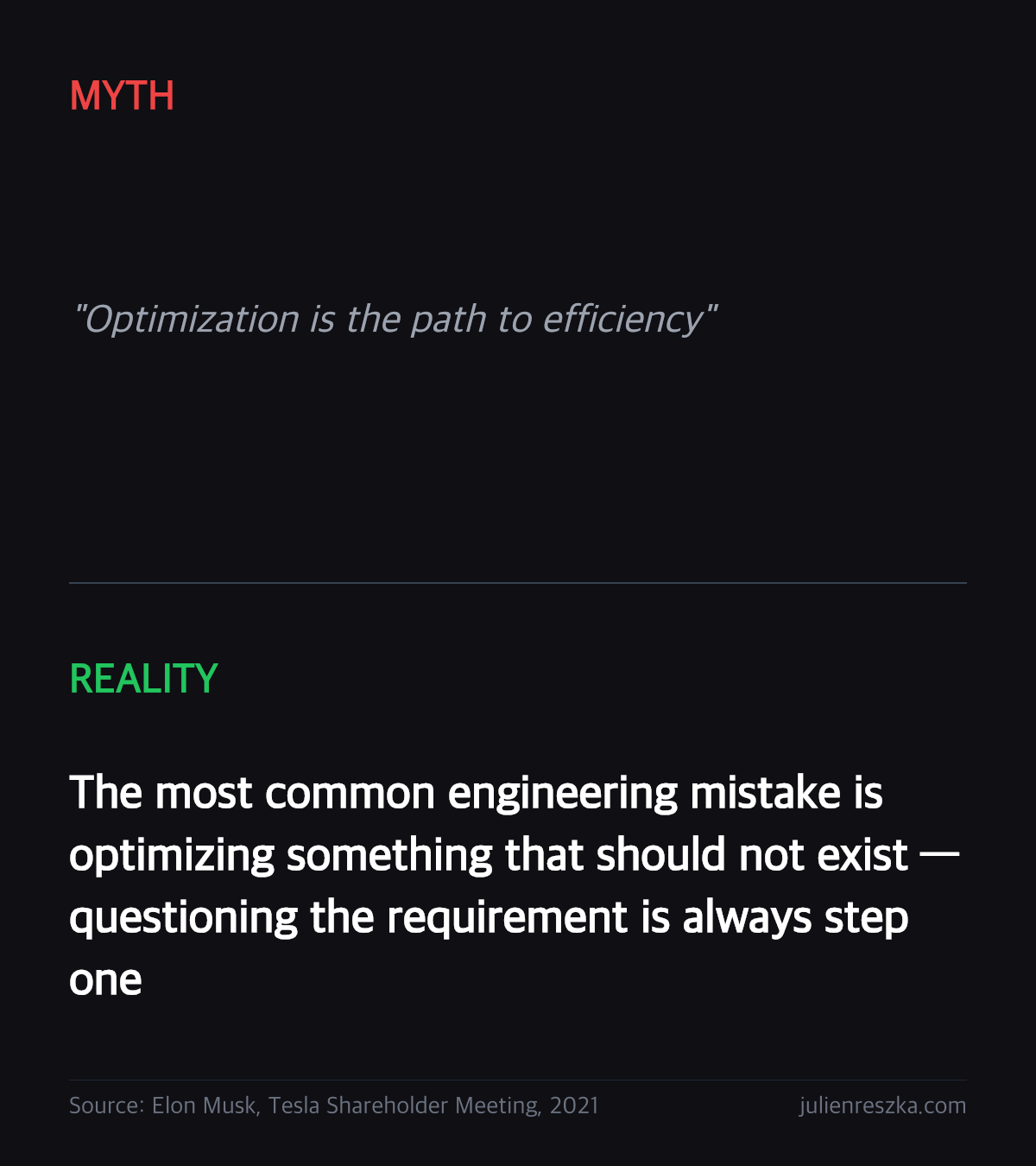
Myth: Optimization is the path to efficiency
-
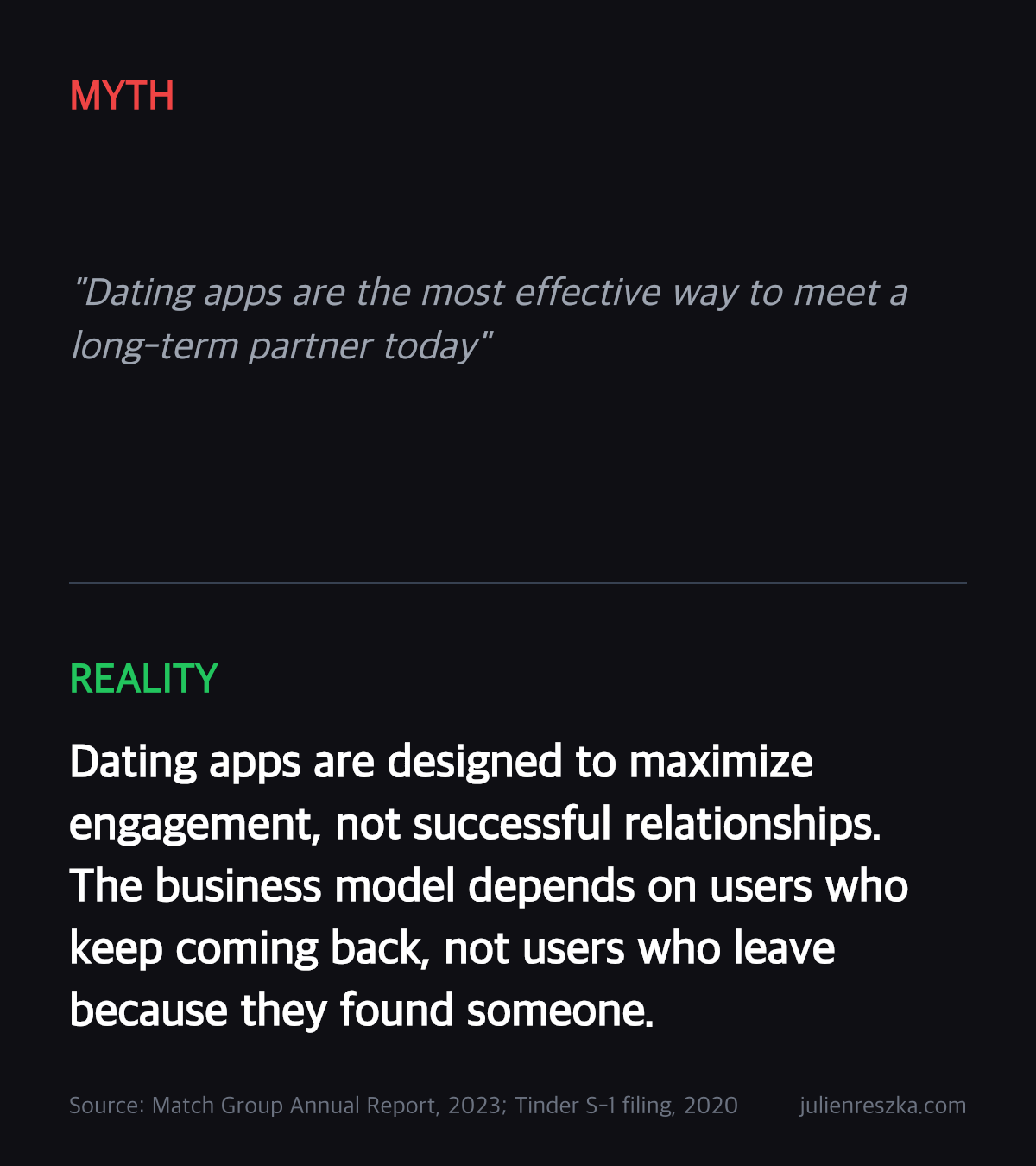
Myth: Dating apps are the most effective way to meet a long-term partner today
-

Myth: AI agents need a server to be useful
-
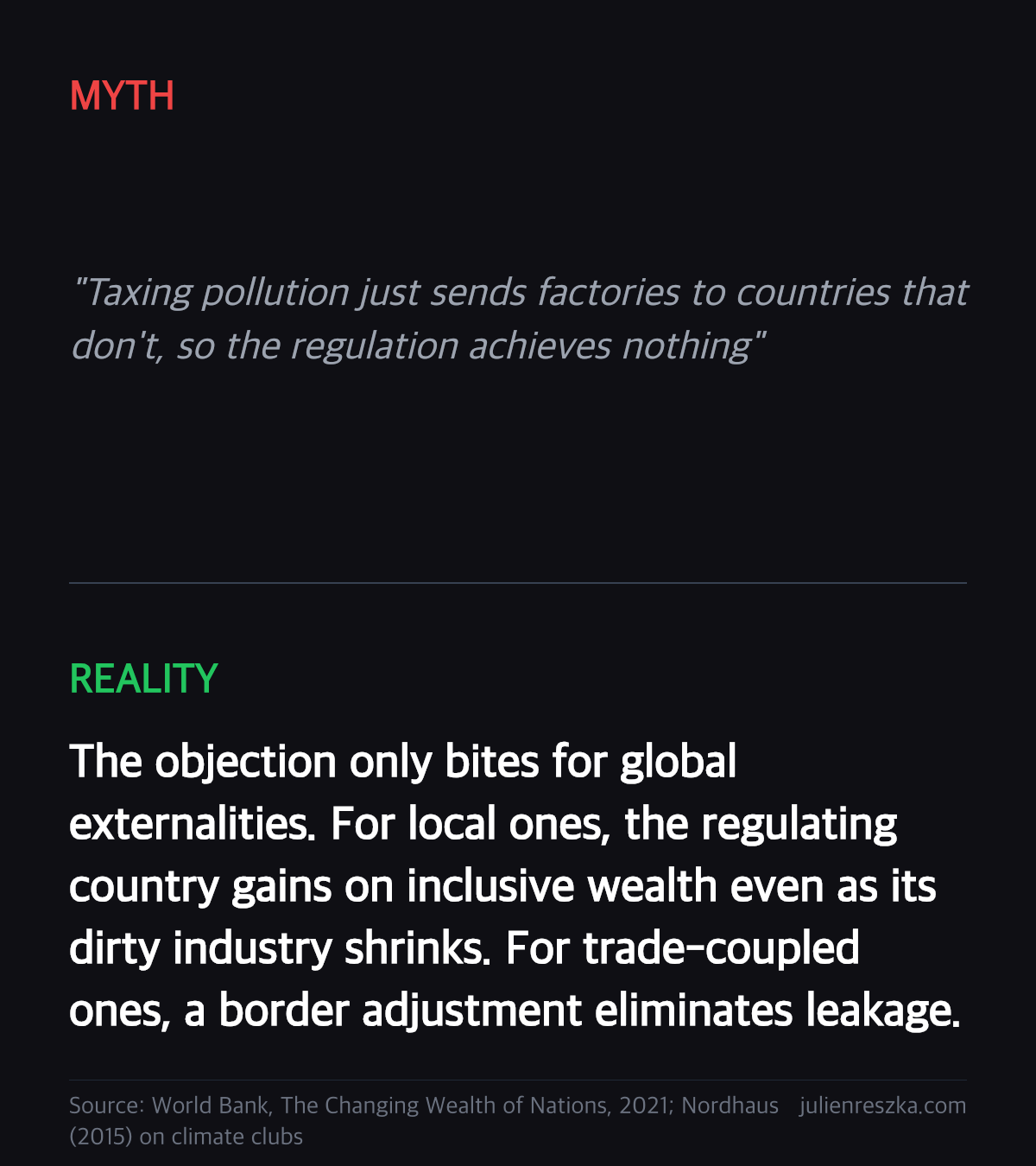
Myth: Taxing pollution just sends factories to countries that don't, so the regulation achieves nothing
-
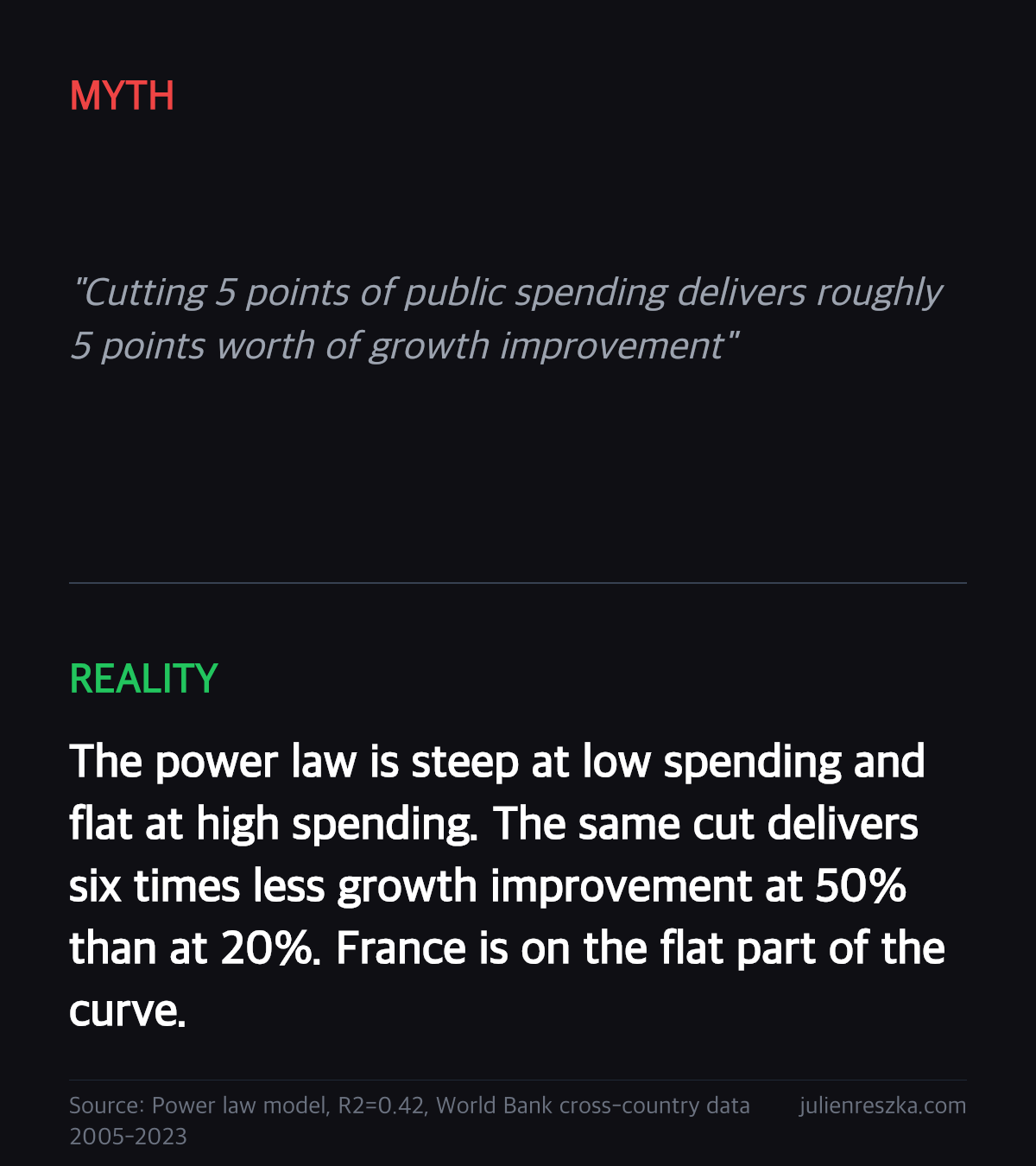
Myth: Cutting 5 points of public spending delivers roughly 5 points worth of growth improvement
-
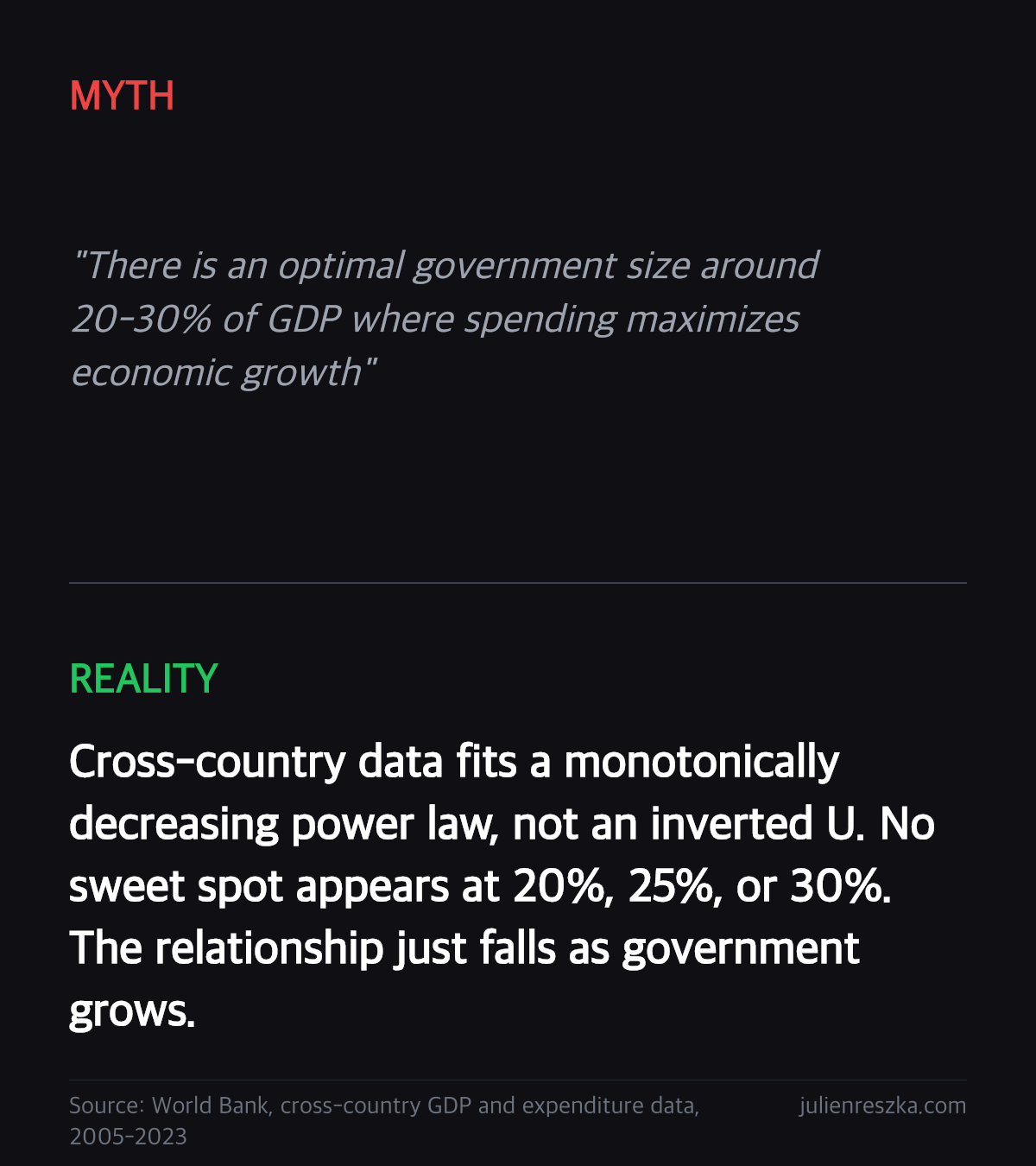
Myth: There is an optimal government size around 20-30% of GDP where spending maximizes economic growth
-

Myth: The web is an open platform no single company can control
-
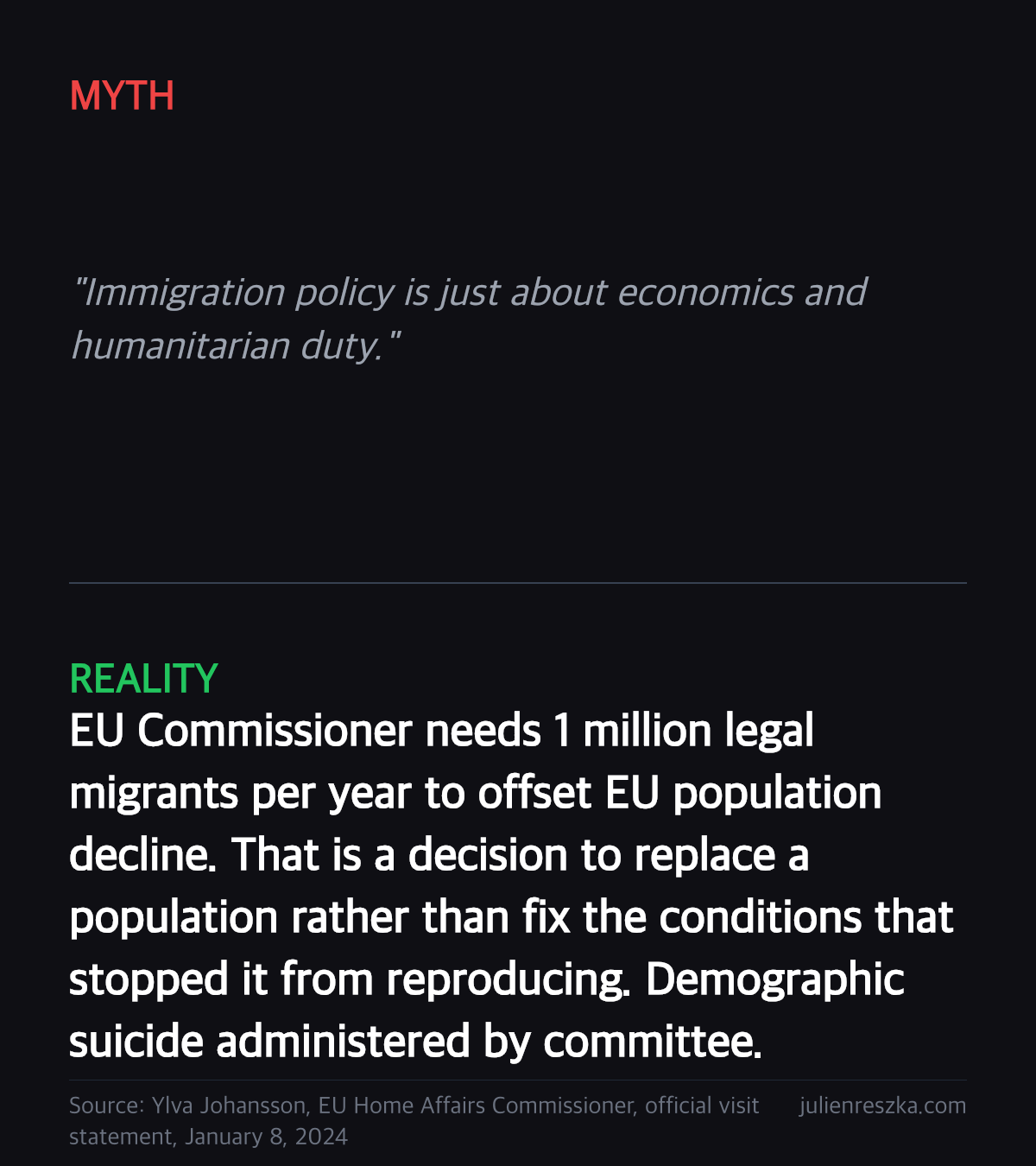
Myth: Immigration policy is just about economics and humanitarian duty.
-
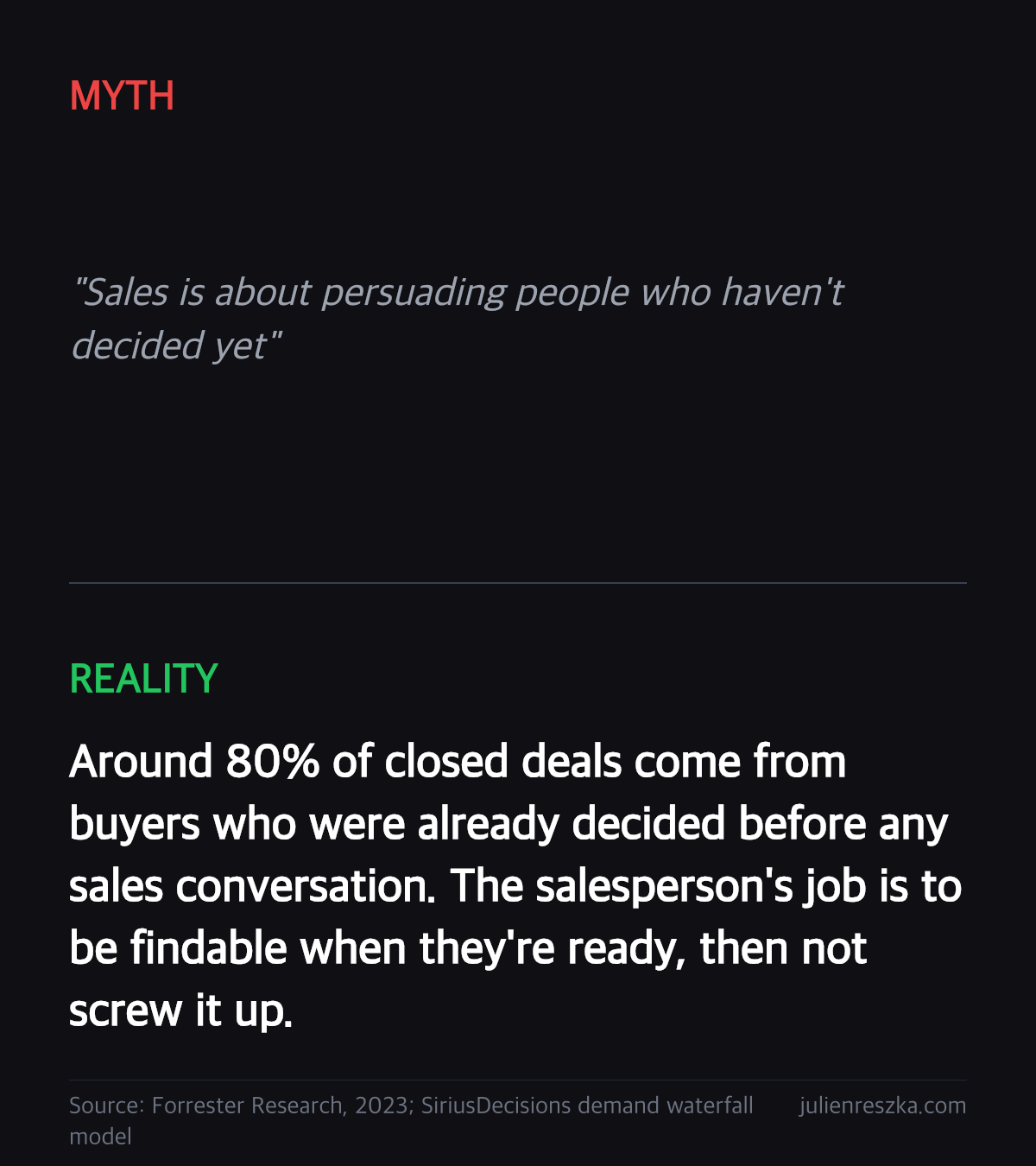
Myth: Sales is about persuading people who haven't decided yet
-
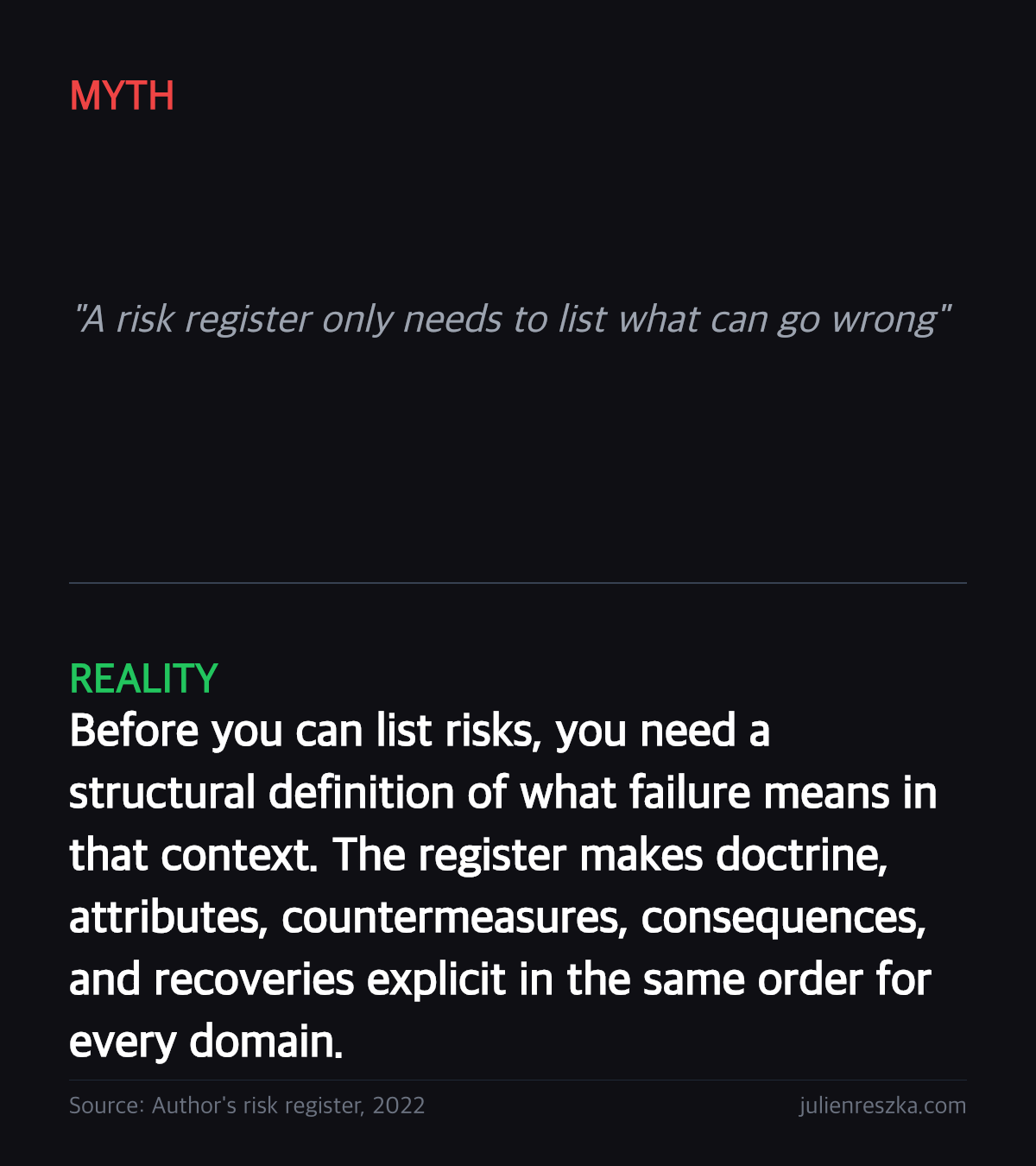
Myth: A risk register only needs to list what can go wrong
-
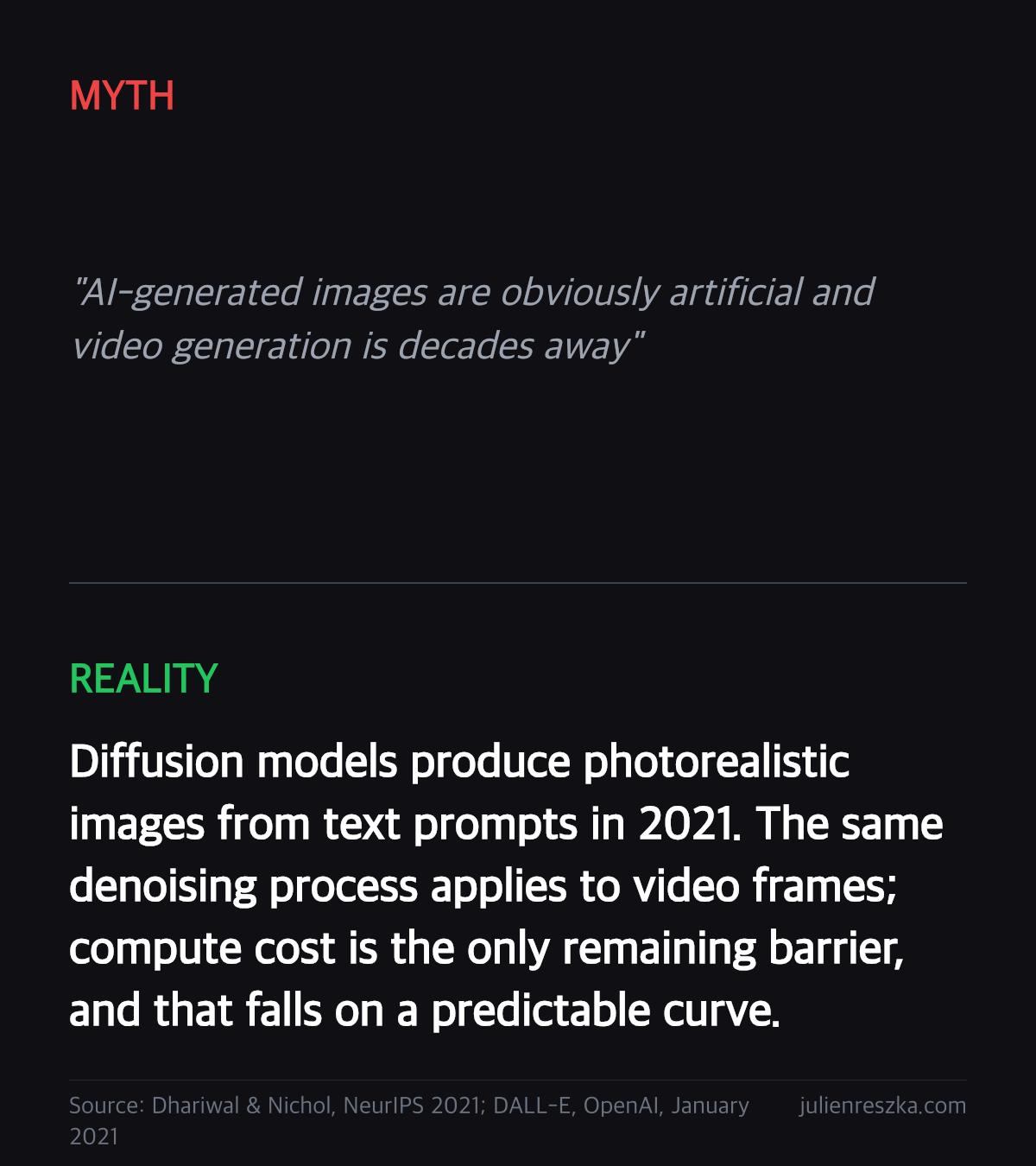
Myth: AI-generated images are obviously artificial and video generation is decades away
-
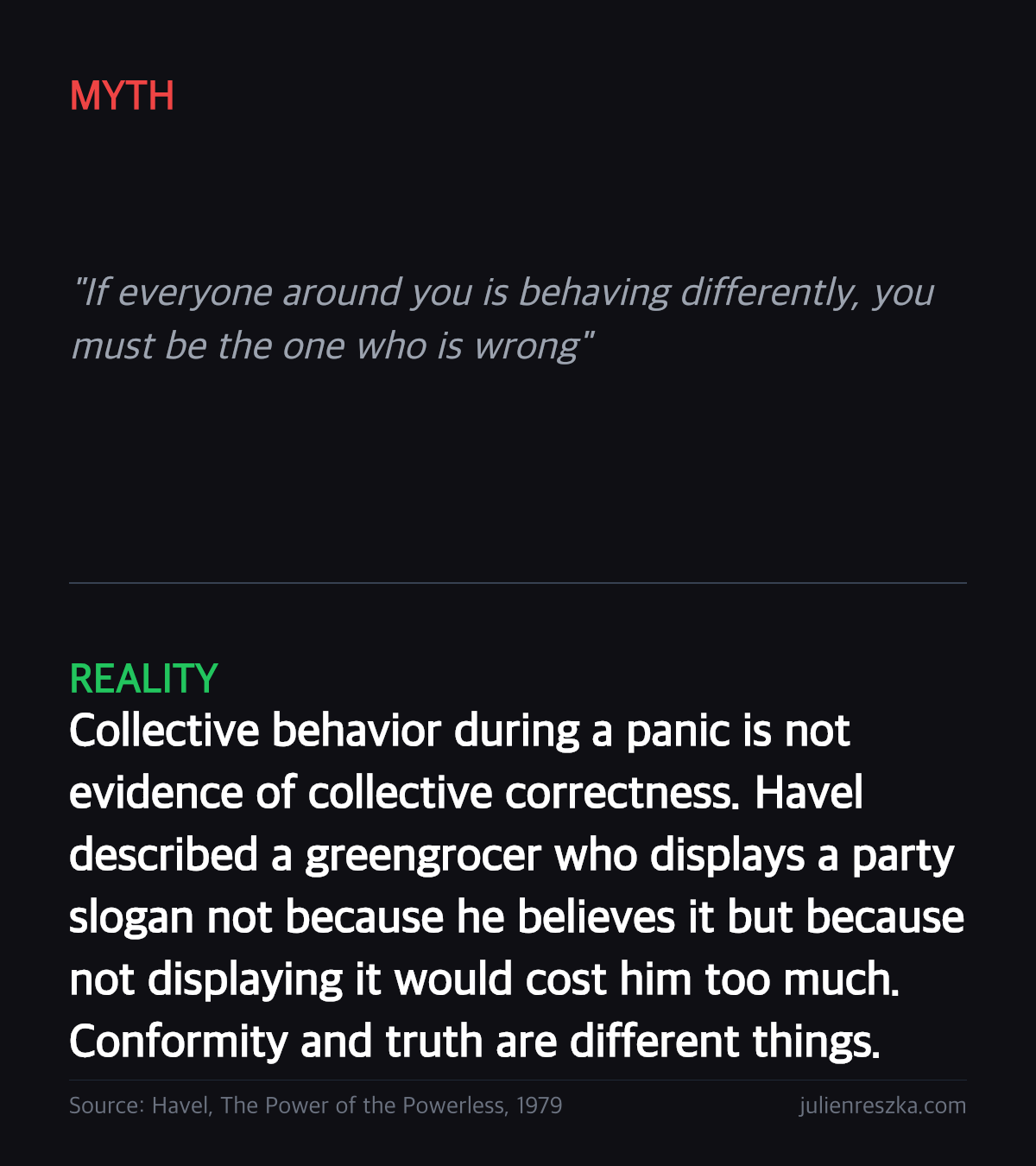
Myth: If everyone around you is behaving differently, you must be the one who is wrong
-
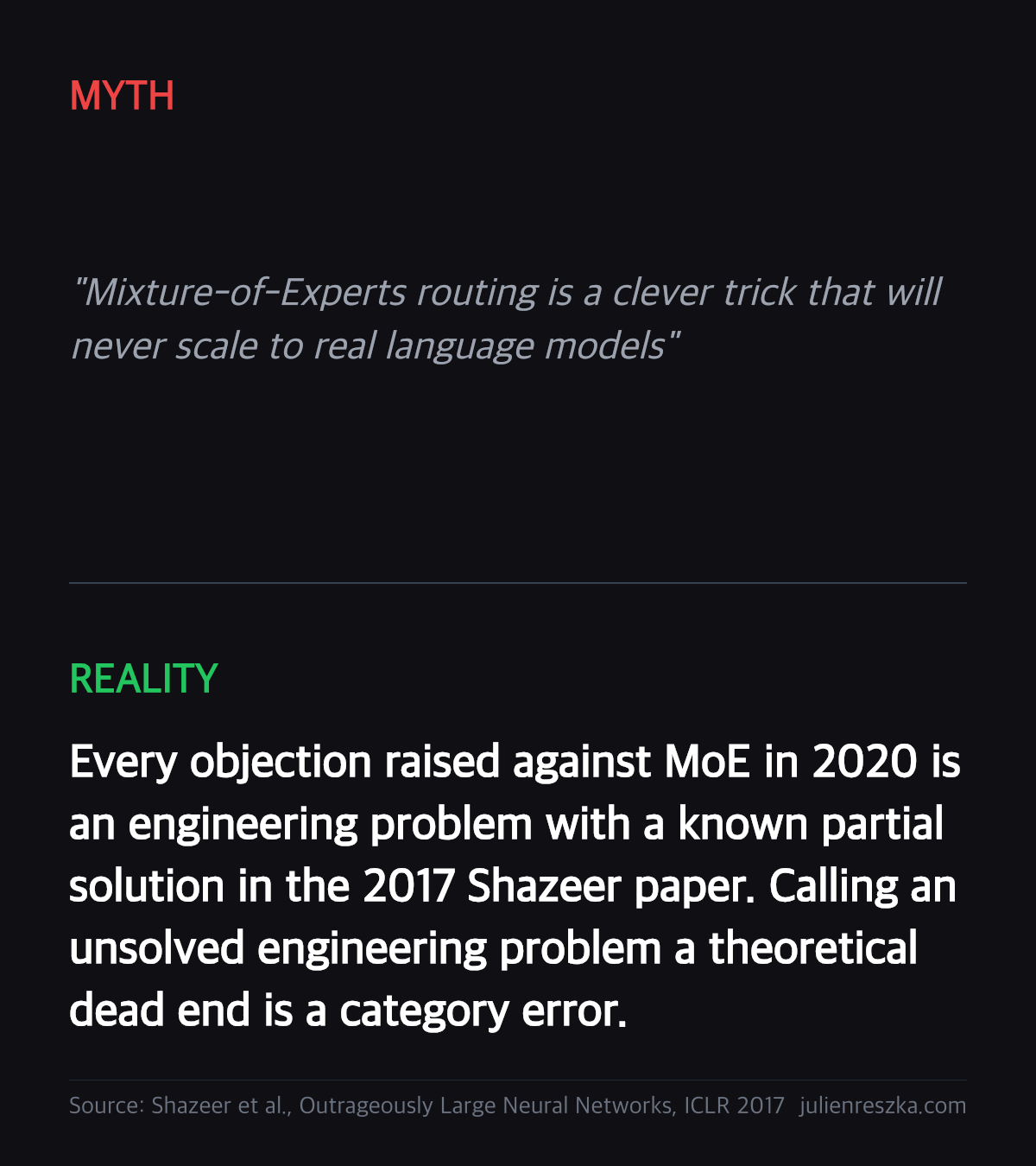
Myth: Mixture-of-Experts routing is a clever trick that will never scale to real language models
-
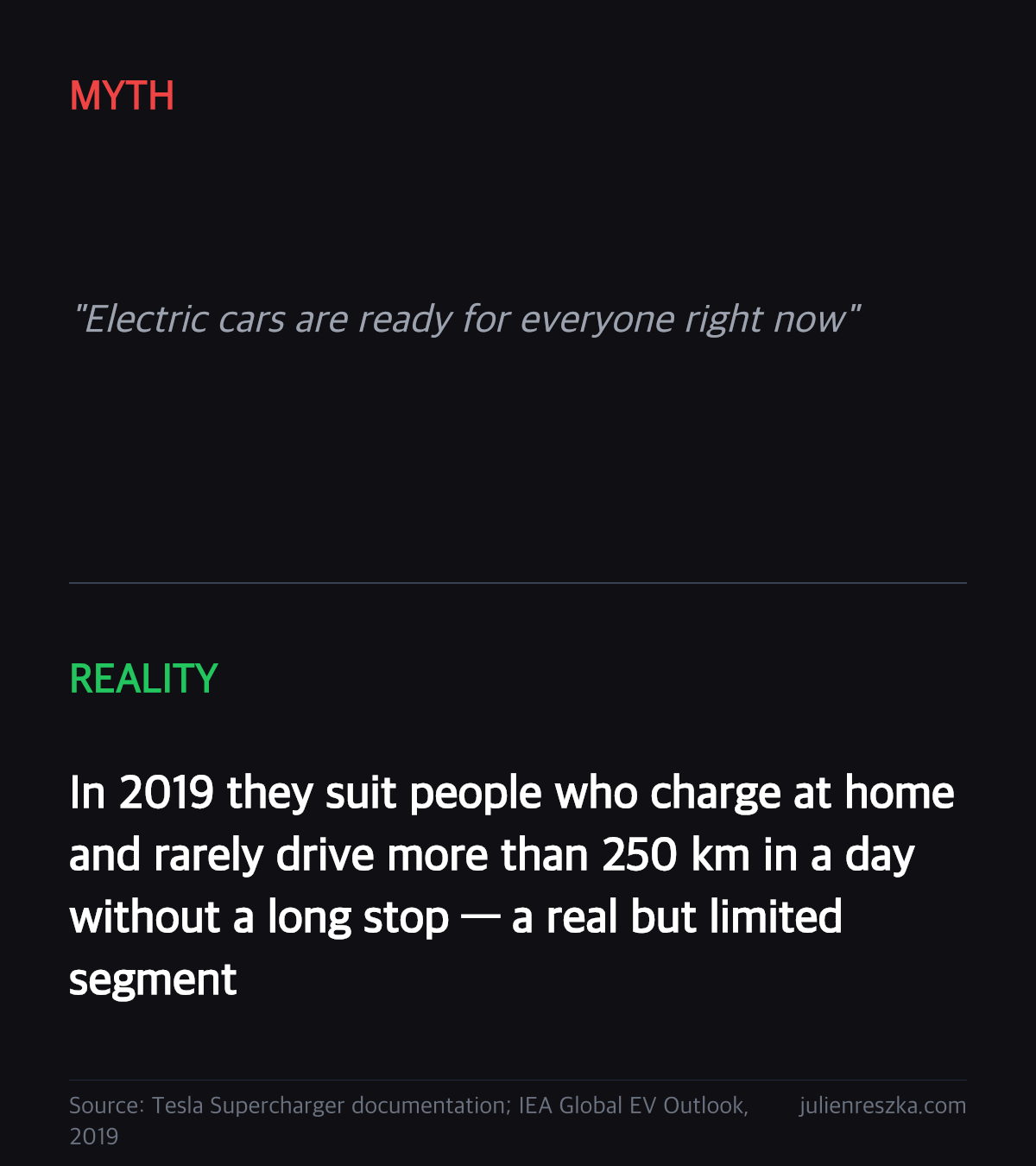
Myth: Electric cars are ready for everyone right now
-

Myth: The Wright brothers invented flight
-
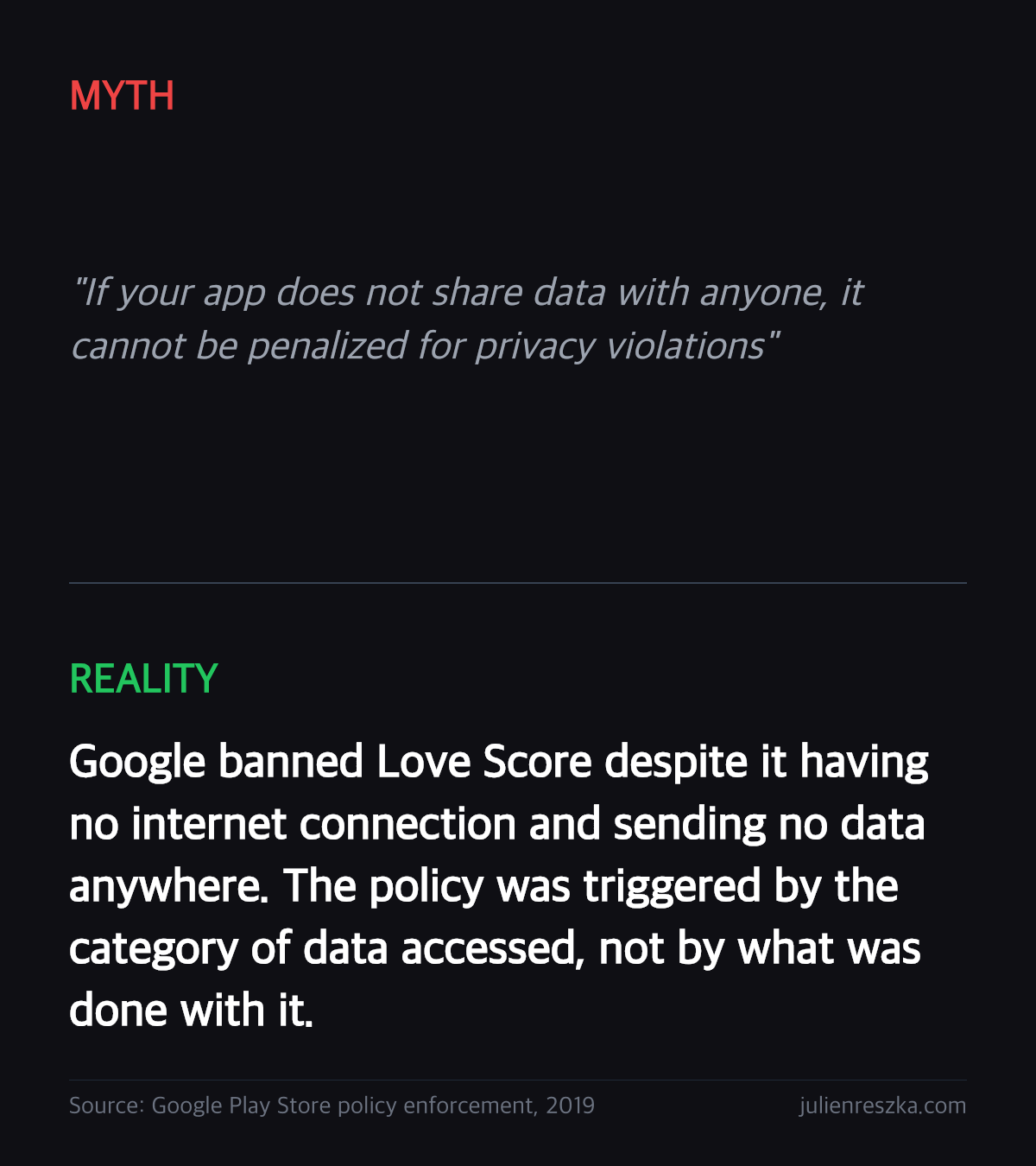
Myth: If your app does not share data with anyone, it cannot be penalized for privacy violations
-

Myth: Video is a nice-to-have enhancement for websites
-
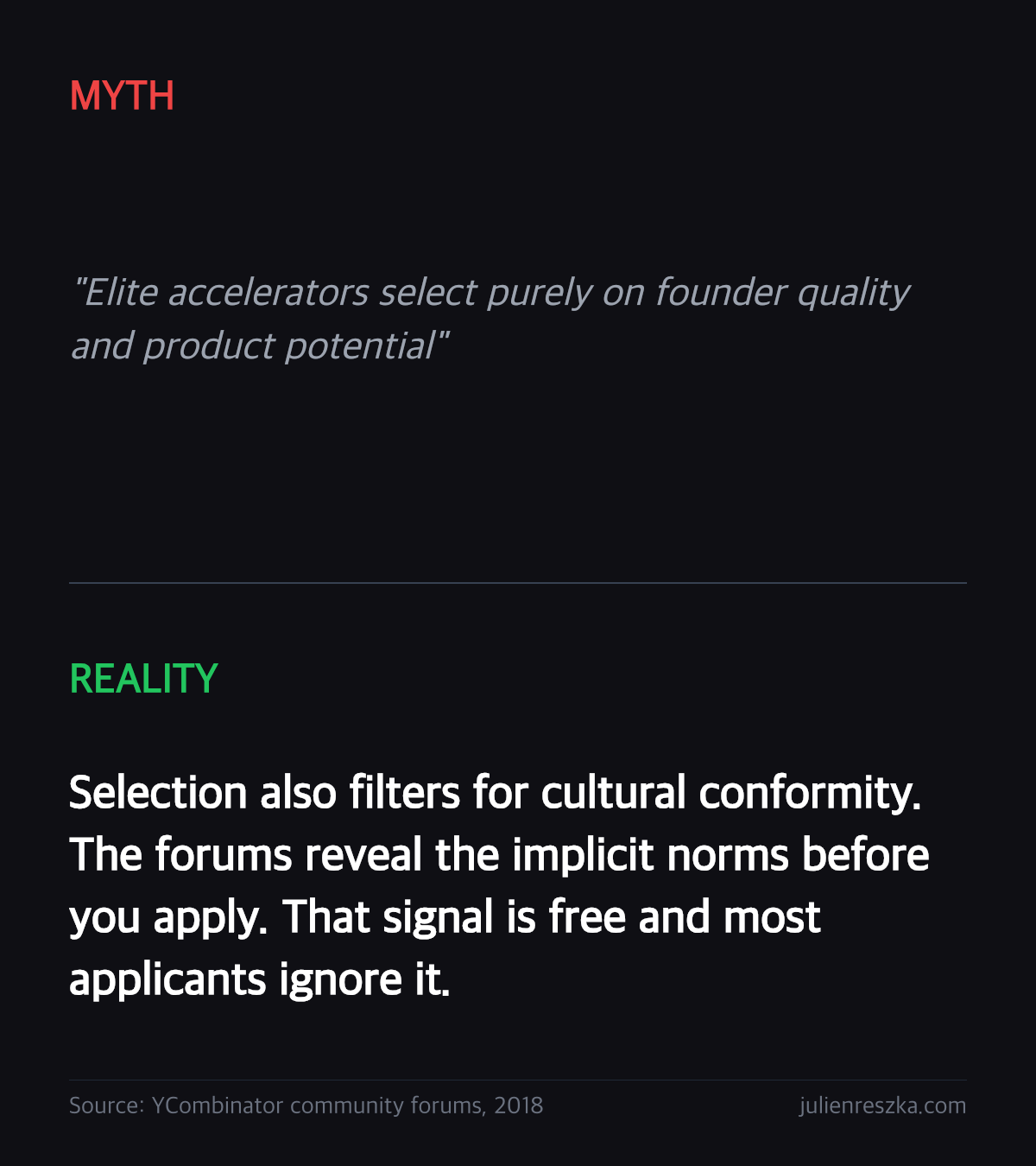
Myth: Elite accelerators select purely on founder quality and product potential
-
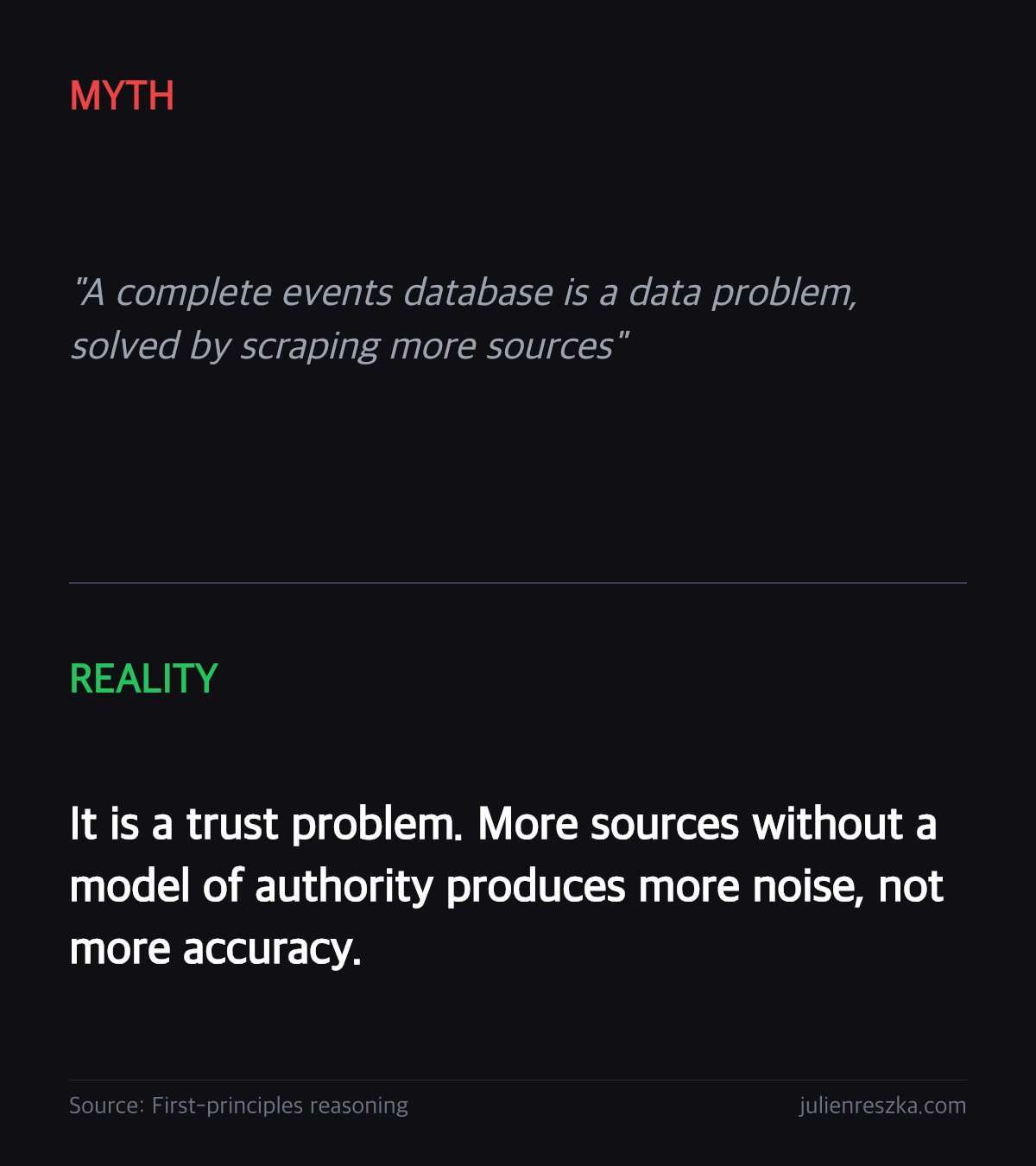
Myth: A complete events database is a data problem, solved by scraping more sources
-
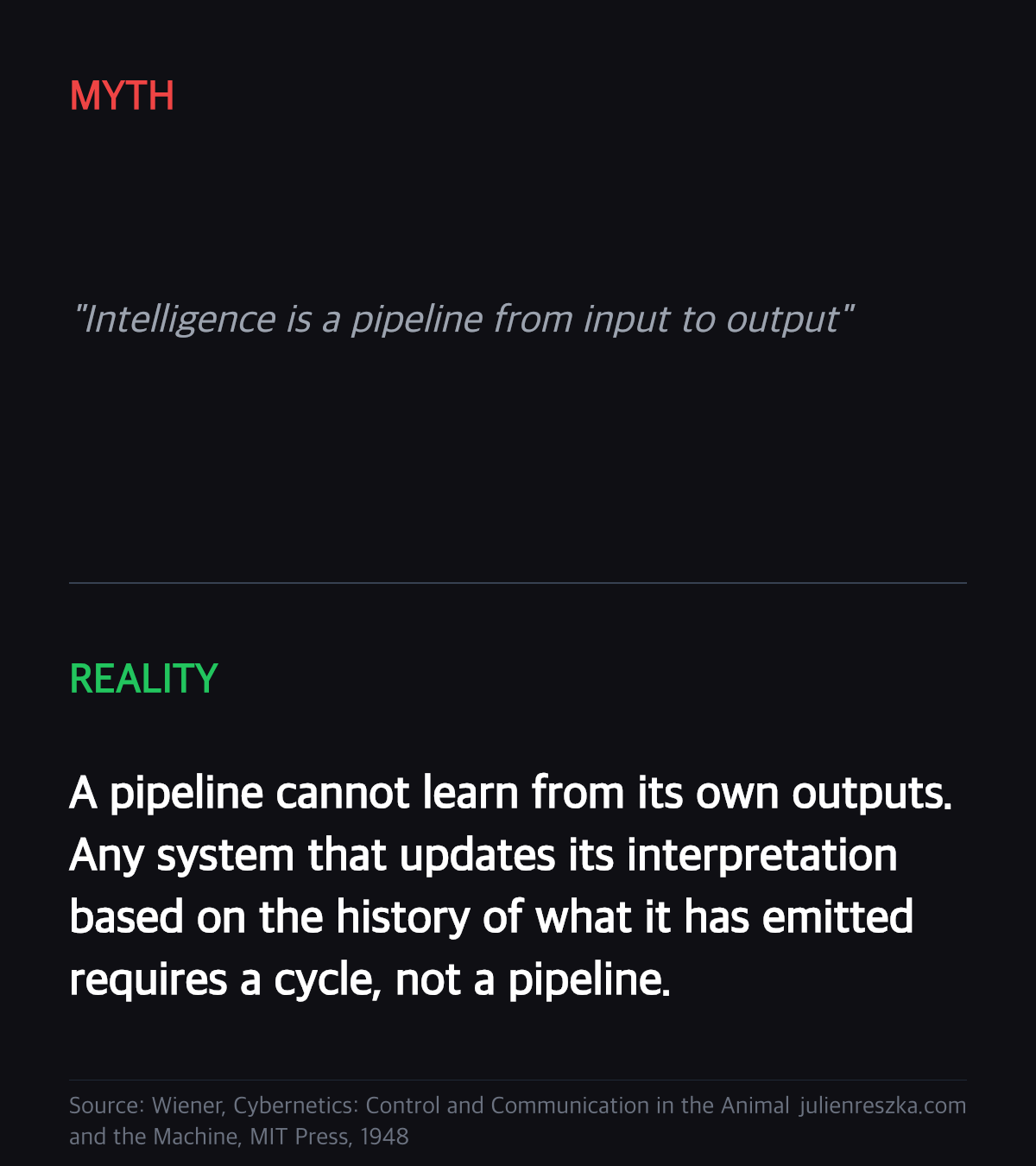
Myth: Intelligence is a pipeline from input to output
-
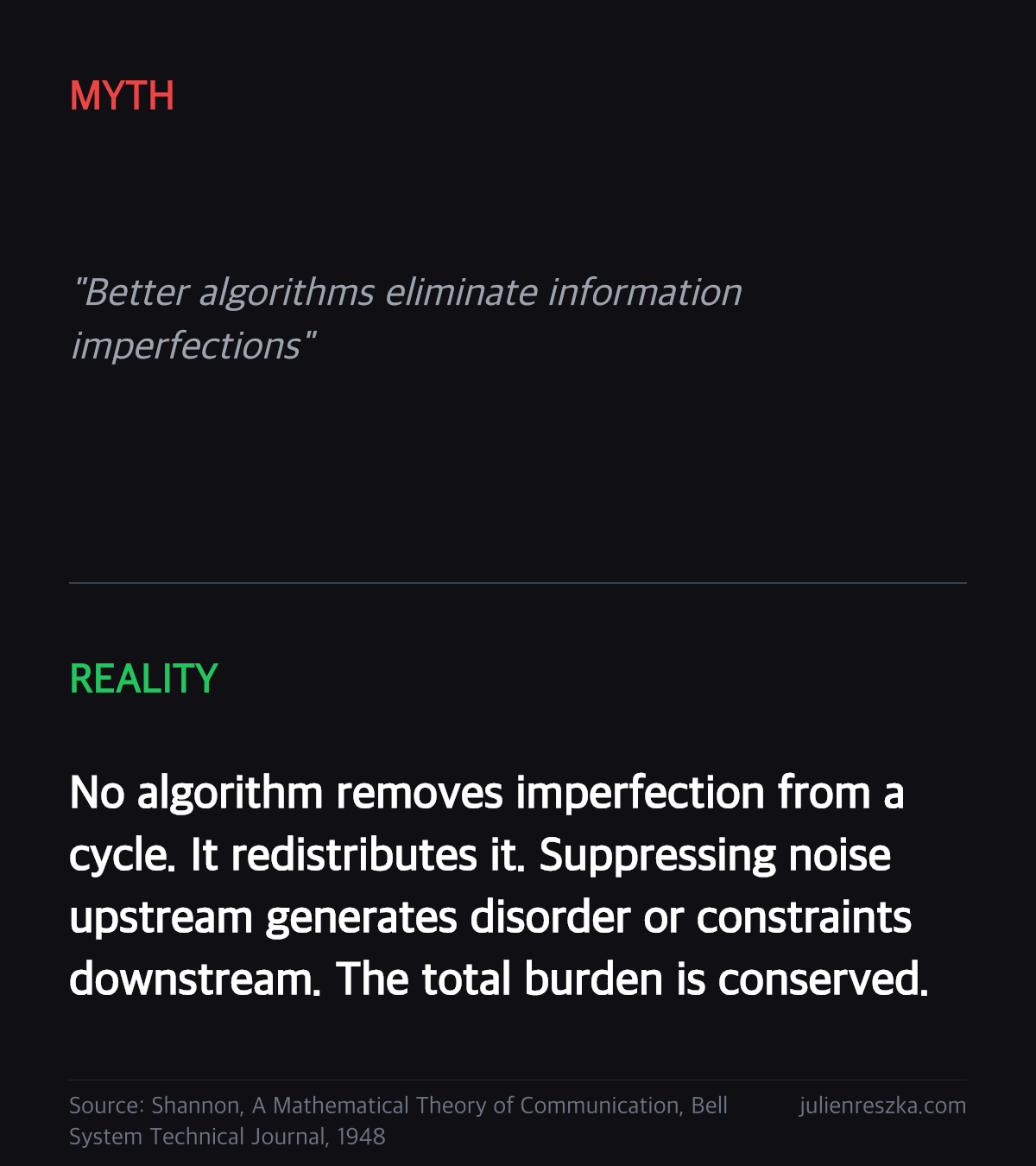
Myth: Better algorithms eliminate information imperfections
-
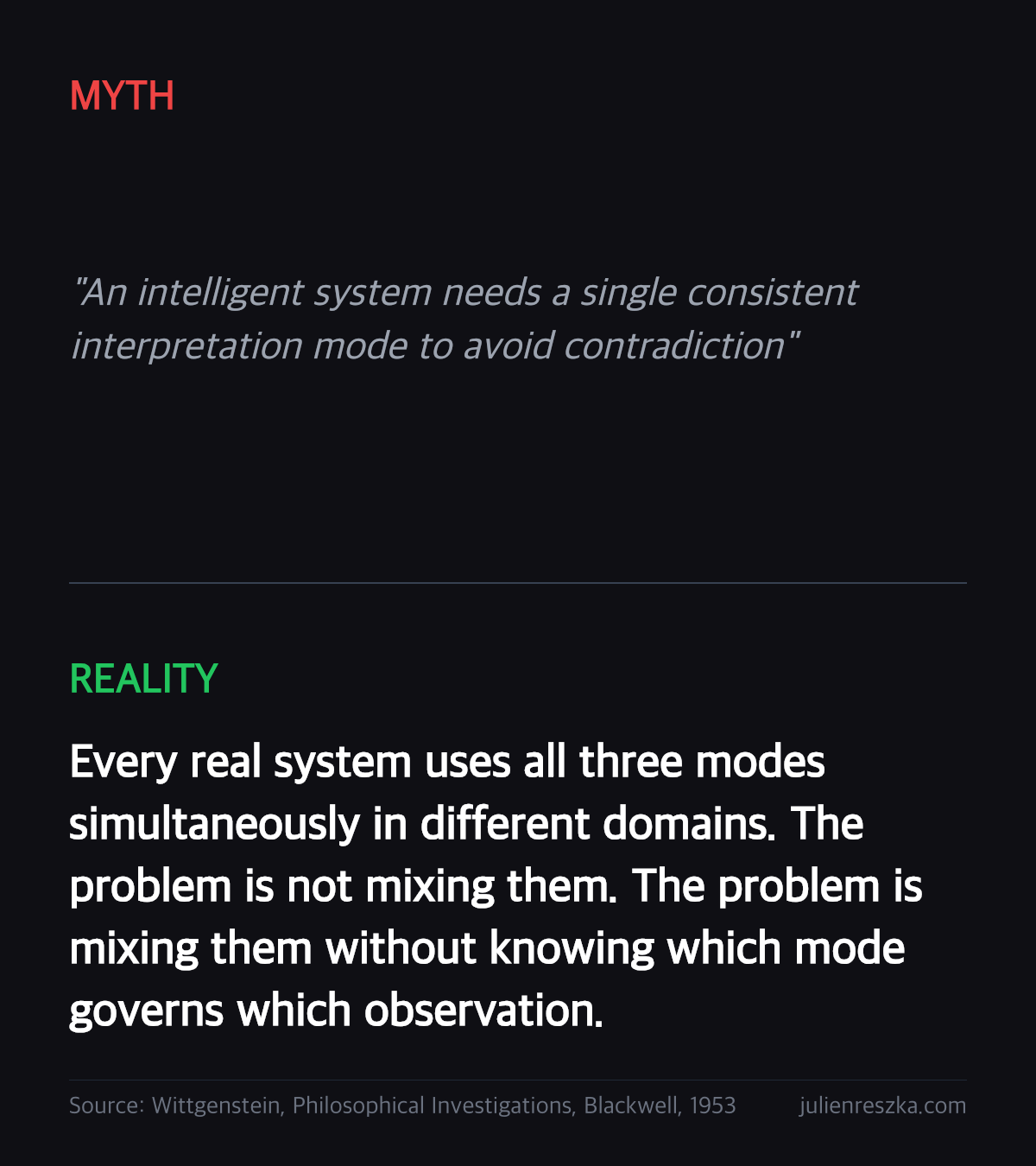
Myth: An intelligent system needs a single consistent interpretation mode to avoid contradiction
-
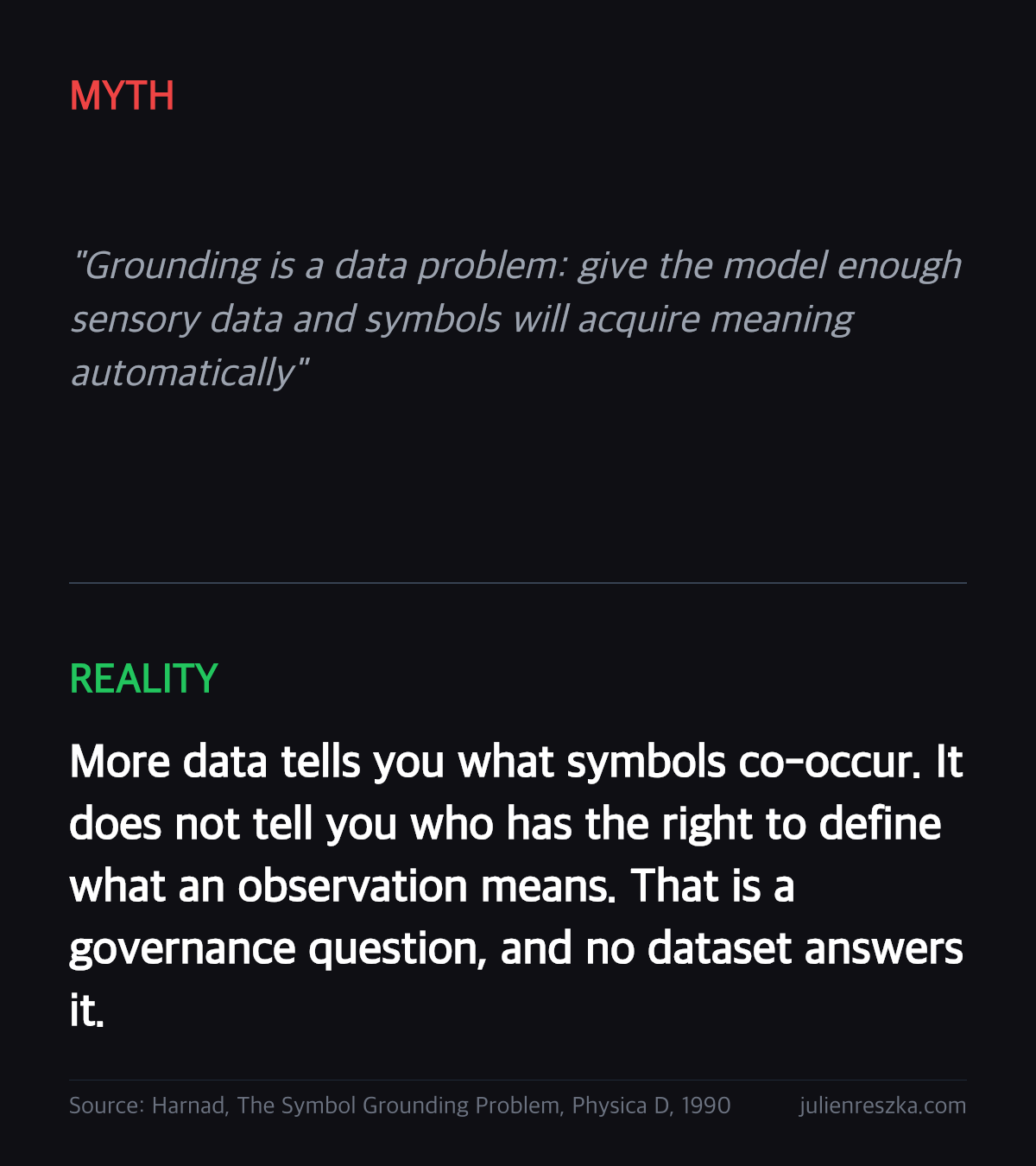
Myth: Grounding is a data problem: give the model enough sensory data and symbols will acquire meaning automatically
-
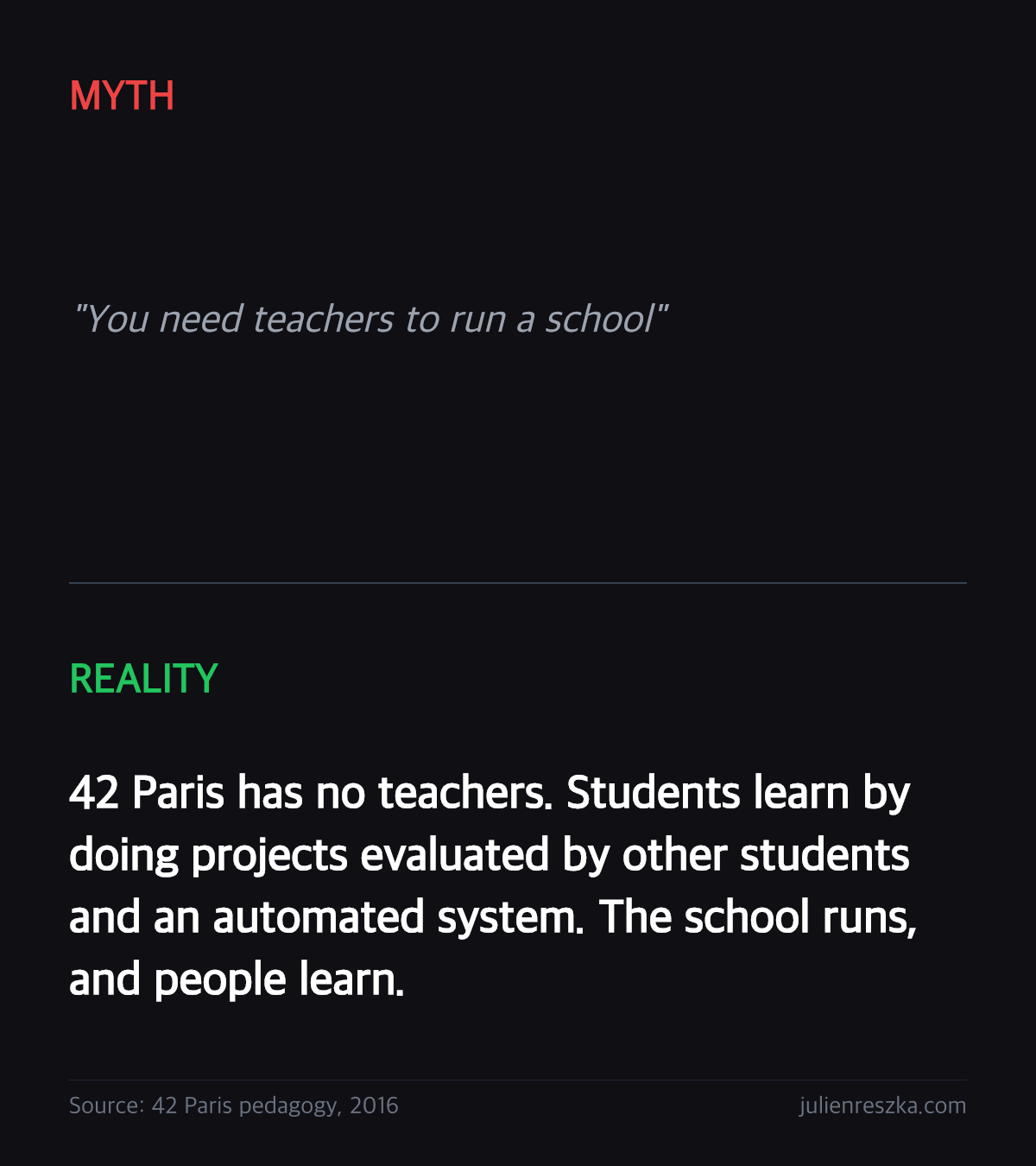
Myth: You need teachers to run a school
-
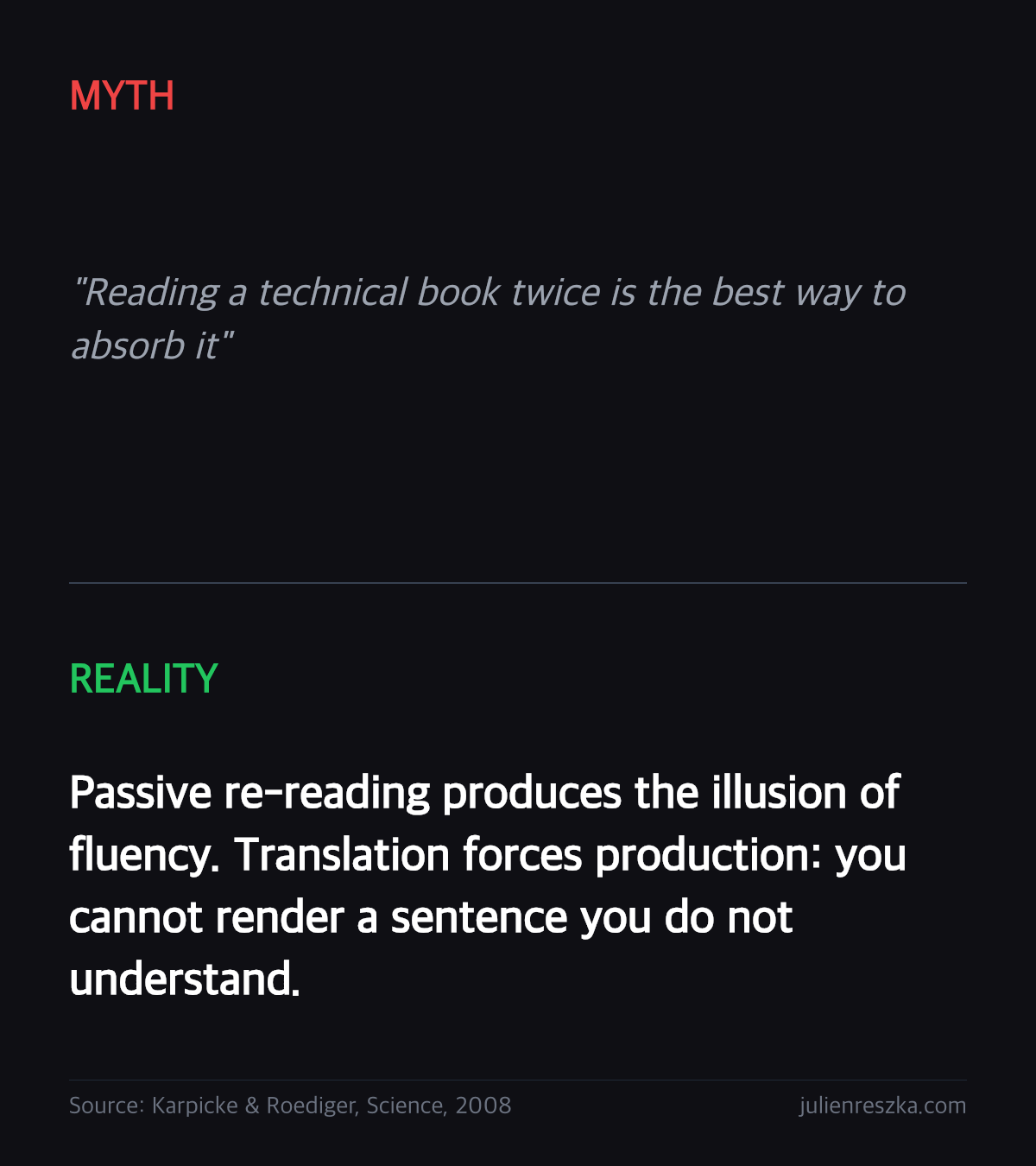
Myth: Reading a technical book twice is the best way to absorb it
-

Myth: Europeans who oppose mass immigration are racist and have no right to refuse.
-

Myth: You need a portfolio site and cold outreach to get your first freelance clients
-
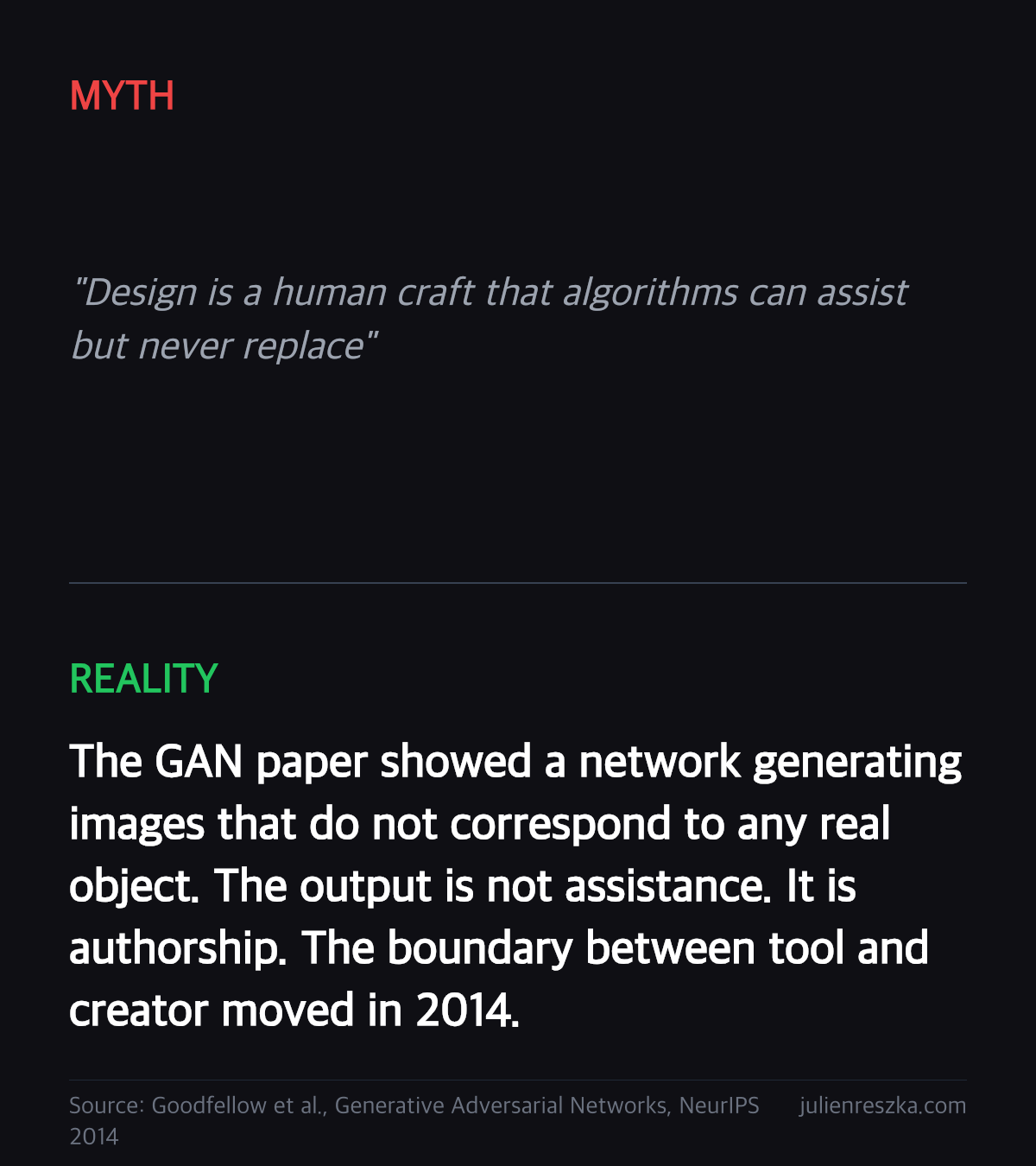
Myth: Design is a human craft that algorithms can assist but never replace
-
Myth: You need to read the messages to understand a relationship
-

Myth: A summit between leaders produces a framework that both sides are bound to respect
-
Myth: Bitcoin is used by criminals and will be shut down by governments
-
Myth: Geopolitics is a subject for diplomats and analysts, not something a design student needs to understand
-
Myth: 3D printing is a toy for hobbyists making plastic figurines
-
Myth: Design is something you learn by doing, not by going to school
-

Myth: You need to learn to code before you can design real user interfaces
-
Myth: Video games are a waste of time that teach you nothing useful
-
Myth: Twitter is a tool that empowers citizens against institutions
-

Myth: France wants to intervene in Libya to protect civilians
-
Myth: Leonardo da Vinci was primarily a painter