 Julien Reszka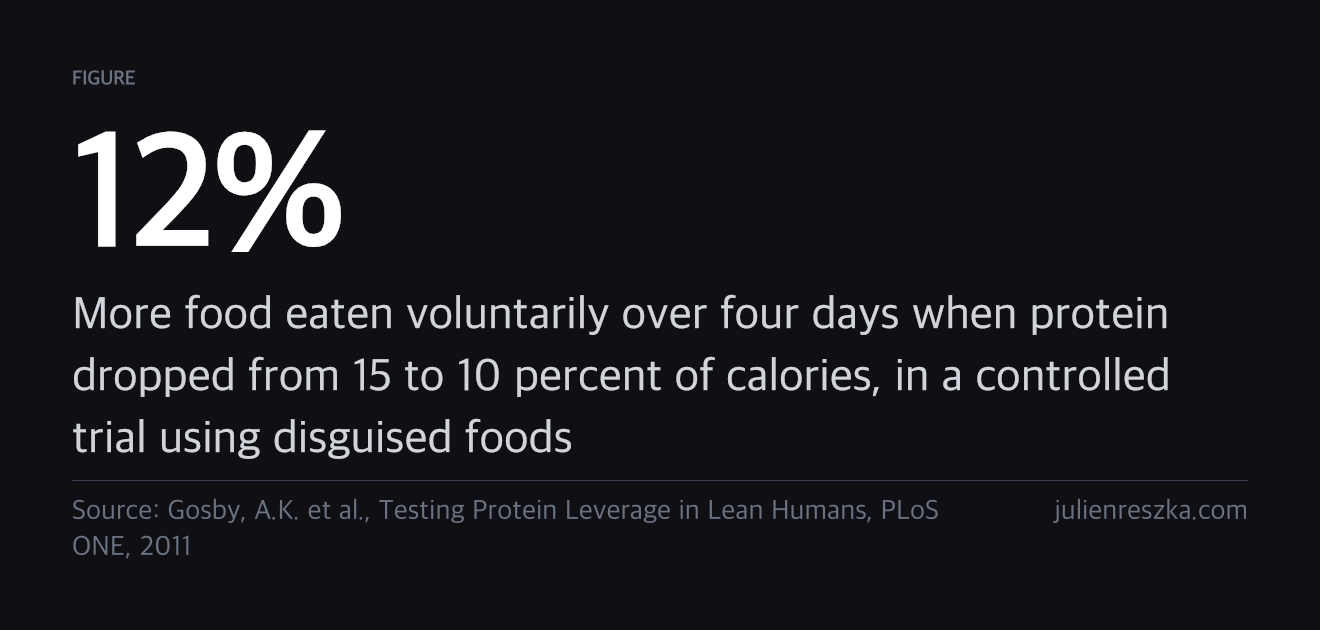
I write code for a living, which means most of my day happens sitting down. My body does not burn what it would if I did physical labor, so for a while now I have eaten two meals a day instead of three: eggs in the morning, nothing at midday, a bowl of chicken soup at night. The goal is not a diet trend. It is that a sedentary schedule needs less total food, and this is the version of eating less that I can actually keep doing.
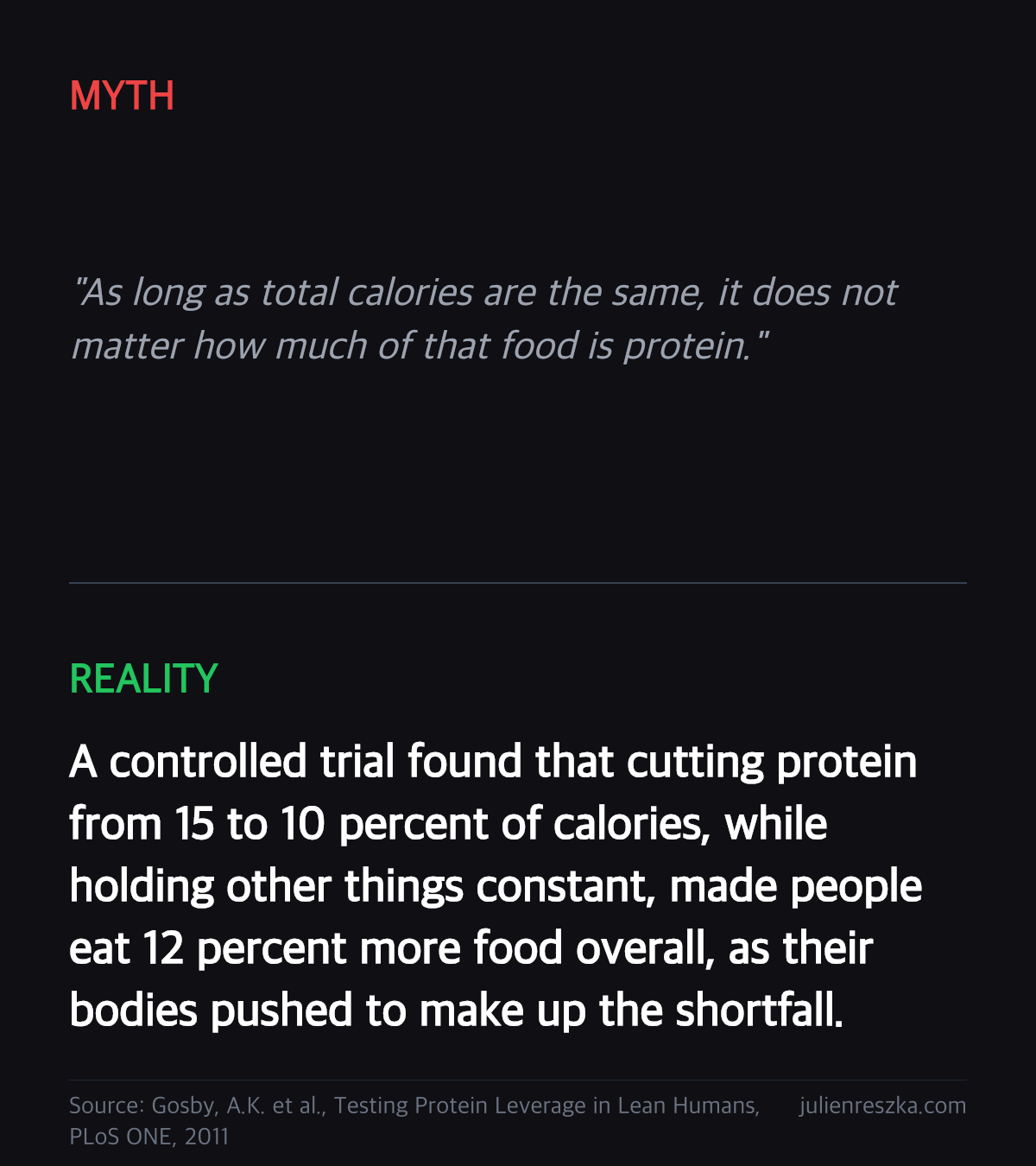
The lunch skipping comes from protein, not eggs specifically. Digesting protein burns 20 to 30 percent of its own calories as heat, versus 5 to 10 percent for carbohydrates, plain thermic-effect physiology that nobody disputes. That alone does not explain why a protein-heavy breakfast carries someone through to dinner without much hunger, but a controlled feeding trial gets closer. Funded by an Australian government research grant with no food industry money involved, it put 23 lean adults through four day stretches at different protein levels using disguised, isocaloric foods, and found that dropping protein from 15 to 10 percent of calories made people eat 12 percent more food overall. Their bodies kept pushing them to eat until a protein target was met, not a calorie target.
- Digesting protein burns roughly three times the calories that digesting carbohydrate does
- Cutting dietary protein from 15 to 10 percent of calories increased voluntary food intake by 12 percent in a controlled trial
- The effect held even though the foods were disguised so subjects could not consciously target protein
I eat eggs specifically because they are one of the cheapest, fastest ways to hit a real protein target at breakfast, not because eggs themselves have some special property the research points to. Any dense protein source would do the same job. What eggs add is versatility: there are hundreds of ways to make them, which matters more for whether I actually keep this up than anything specific to the food itself.
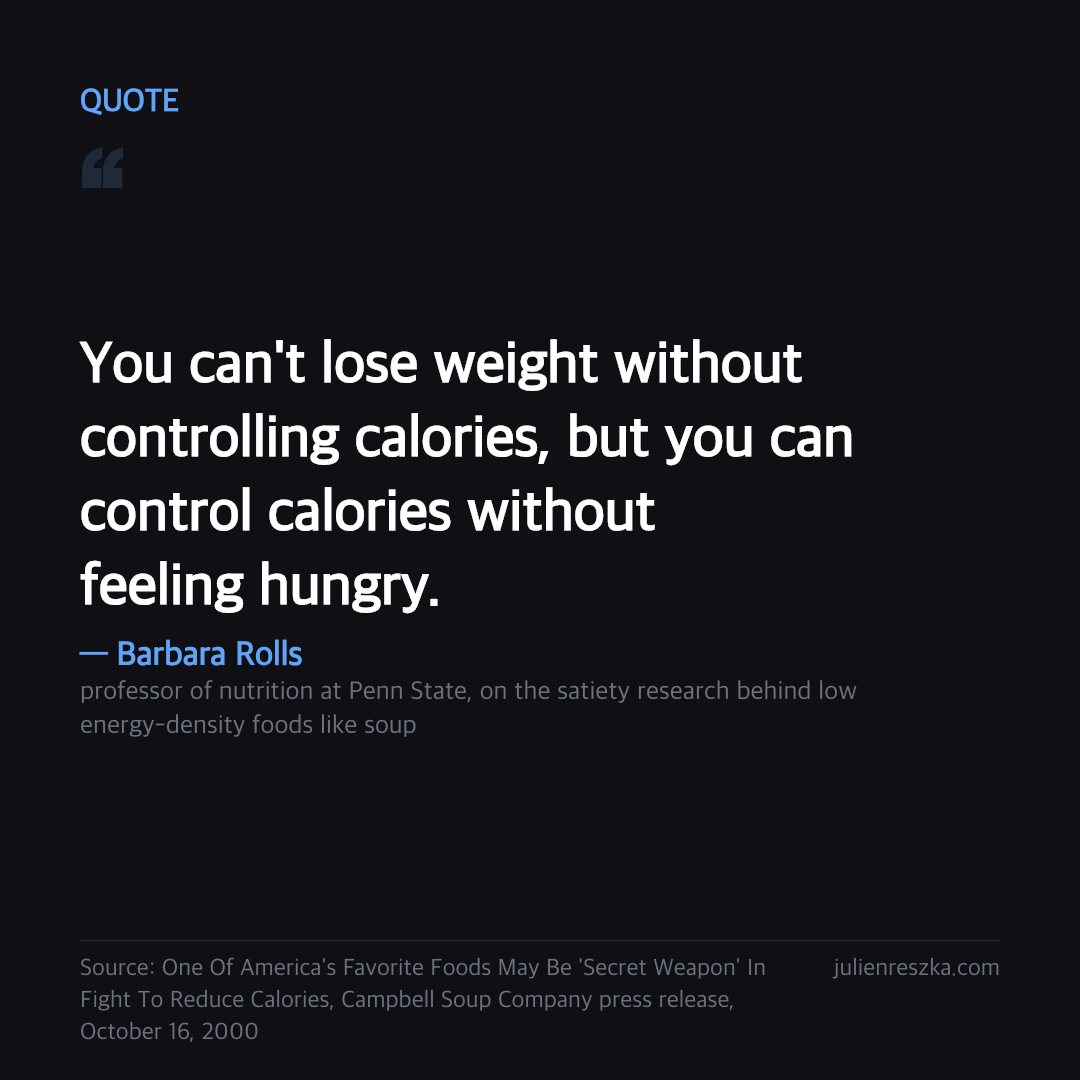
Dinner is soup for a related but separate reason: volume and water content, not protein. In a study of over 4,000 US adults from national health survey data, regular soup consumers had a lower average BMI (28.4 versus 29.8) and smaller waist circumference (95.9 versus 99.0 centimeters) than non-consumers, after adjusting for age, activity level, and total energy intake. The researchers were careful to say this does not prove soup causes the difference, only that it tracks with it. "You can't lose weight without controlling calories, but you can control calories without feeling hungry," is how the nutrition researcher behind the underlying satiety research has put it: water-rich food fills the same stomach space for far fewer calories than dry food does.
None of this works as a routine unless it is boring-proof. Eggs and broth-based soups both have an enormous range of real variation, different vegetables, spices, proteins, cooking methods, so the two meals I actually eat change constantly even though the pattern does not. That is the part that makes it sustainable rather than a diet I will quit in three weeks.
This is not a claim that everyone should eat this way. It is a claim that a sedentary job changes what a reasonable eating pattern looks like, and that the two choices I settled on happen to have real research behind the mechanism, protein and water content, rather than being a habit I never questioned.
Discussion