 Julien Reszka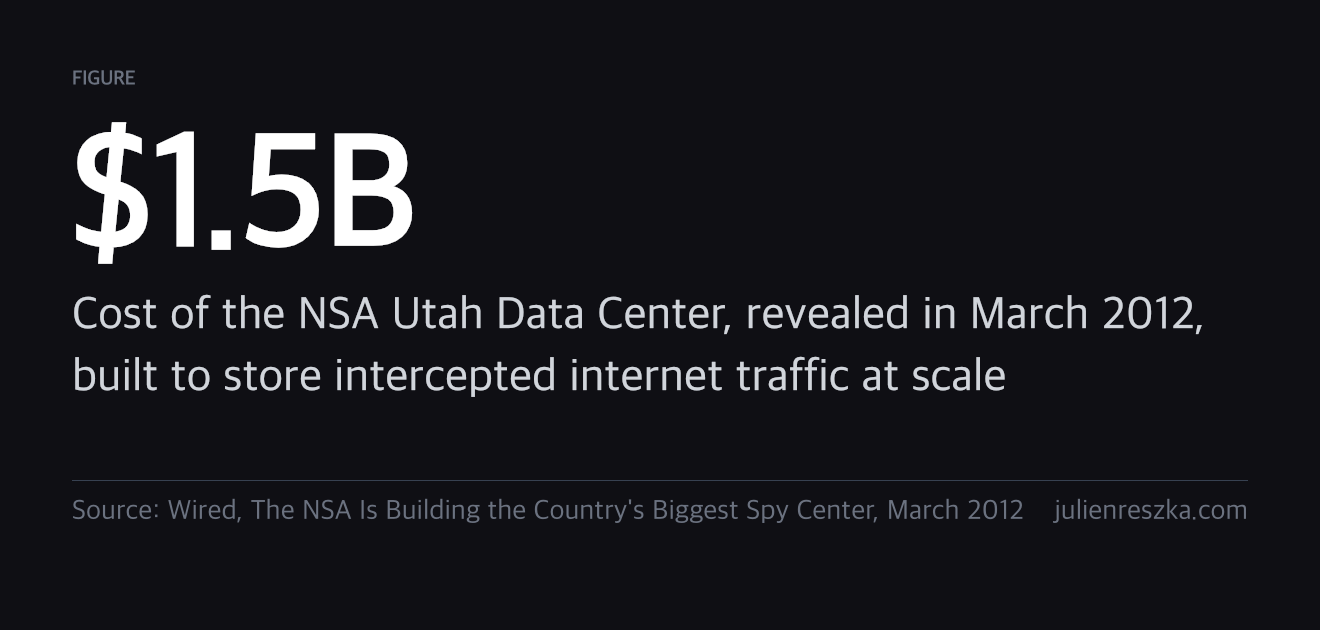
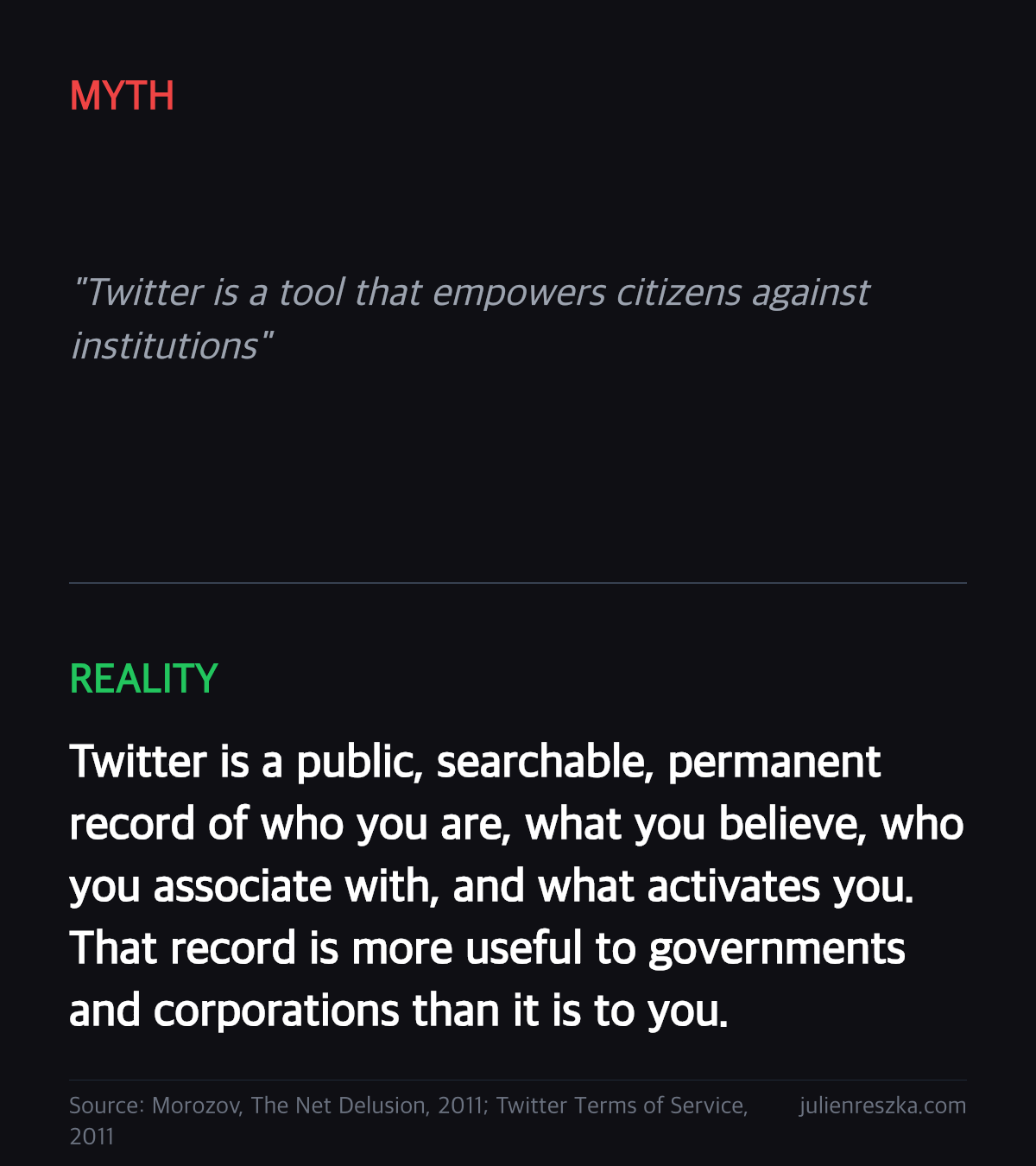
Twitter asks you to identify yourself, describe your beliefs, name your friends, state your location, and announce your intentions. Then it stores all of it, makes it searchable, and provides an API.
People use it as if it were a protest. It is closer to a confession.
When you tweet your outrage about a government, a corporation, or a policy, you are not pressuring anyone. The people who run those institutions are not reading your mentions and reconsidering their position. What you are doing is building a public, permanent, indexed record of:
- who you are
- what you believe
- who agrees with you
- how many people are in your network
- when you are most active
- what language and framing activates you
That record is useful. Just not to you.
The outrage loop is the product, not a side effect. A user who feels heard is less likely to do something that actually costs the system anything. Tweeting about a problem discharges the energy that might otherwise go into organising, donating, showing up, or doing something with friction. The platform profits from the engagement. The institutions you are angry at get a surveillance dataset and a population that feels it has already acted.
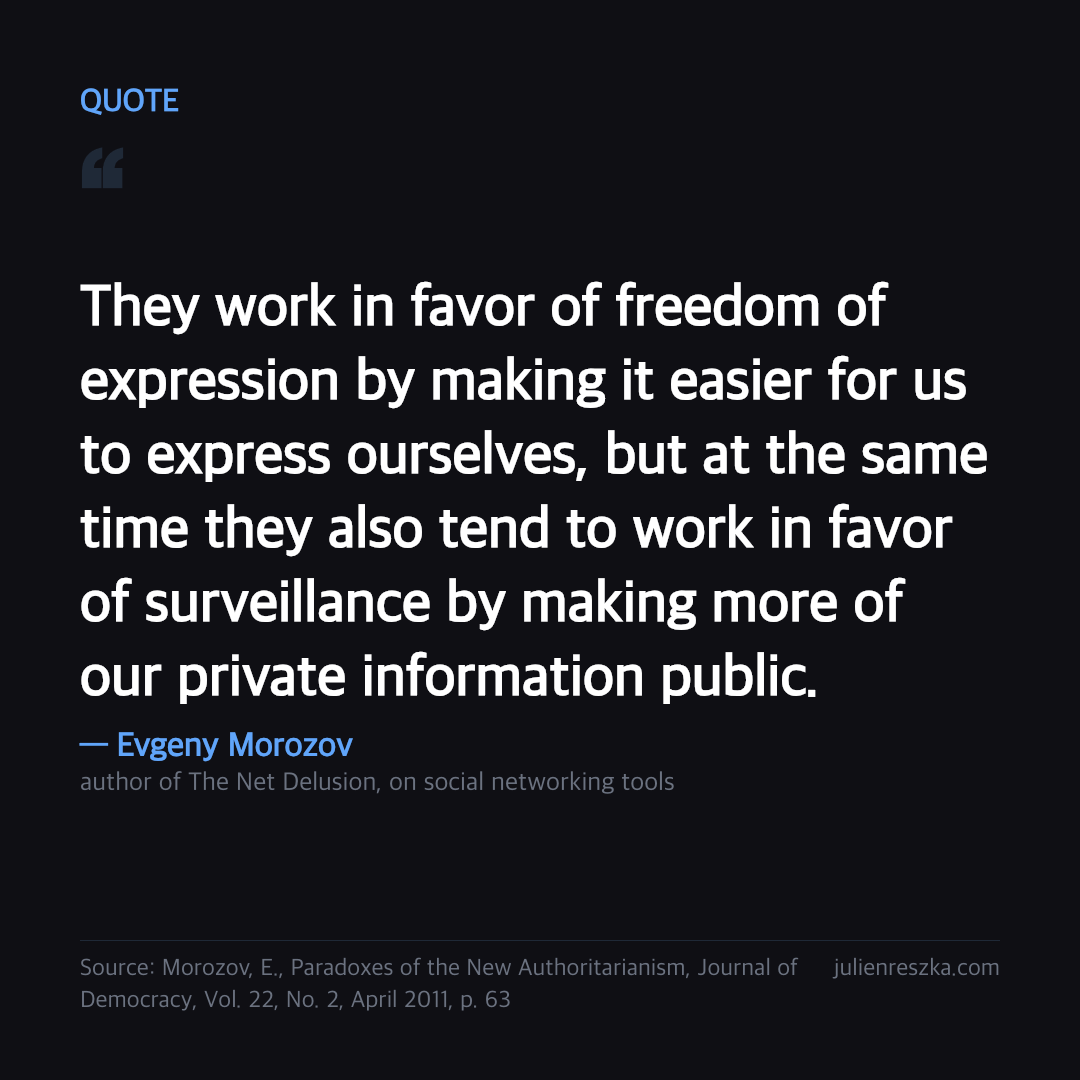
Twitter is not a threat that governments merely tolerate. It is a tool they find useful. Every public account is a named node in a social graph. Every follower relationship is a mapped association. Every hashtag is a self-assembled list of people who care about a particular thing, searchable by anyone with an internet connection.
A surveillance state does not need to tap your phone if you are already broadcasting. The revolution will be tweeted. Every grievance, every organizer, every network, every location. Filed, indexed, and stored in a $1.5 billion facility in Utah.
Discussion